 It’s time to welcome spring with open arms. Plants are coming back to life, flowers are blooming, and everything is awash in vivid colors. People are also shedding layers in favor of more comfortable outfits. These are pleasant changes after going through the bleak winter months.
However, as spring gives way to summer, it also means increasing dependence on the air conditioner. Feeling comfortable indoors is vital; however, no one wants the energy bill that accompanies it.
Energy Saving Tips To Use In The Spring & Summer
Here are some tips on how to save energy for the sake of the environment and your wallet:
1. Seal The Cracks To Prevent Air Leaks
If there are cracks around the perimeter of the house, then hot air will sneak in and warm up the interiors. The AC will then have to work overtime to keep the indoor temperature comfortable. By doing so, it will consume more energy than it should, and you end up paying higher utility bills. Use caulk to seal any leaks that you may find. These are usually present around windows, wiring holes, recessed lights, and plumbing vents.
2. Tune Up The AC For Better Efficiency
The performance of air conditioners degrade over time as dust, dirt, and wear and tear take their toll on your HVAC equipment. Although your cooling system can still get the job done, it will have a harder time and require a more significant amount of energy. This aging process can be slowed down through regular maintenance work. Schedule a professional AC tune-up this spring so that the unit will be ready for the grueling summer.
3. Keep A Mild Thermostat Setting
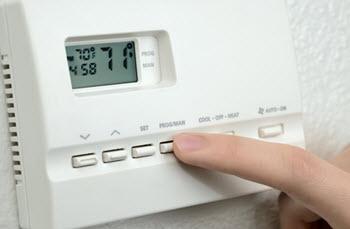 Pay attention to the temperature setting of the AC. A lot of people overestimate their need for cooling and take a very aggressive approach with the thermostat. Again, this will only make the system work harder than necessary. The consensus among experts is that 78 degrees Fahrenheit should be enough to provide comfort while helping the homeowners save on energy costs. You can go even higher for more savings.
4. Go Natural Whenever It Is Possible
Early spring is still relatively cool so there might not be a need to use the cooling system yet. In many areas, it only gets hot midday so the AC can be turned off from dusk until dawn. Homeowners can depend on natural ventilation throughout the night by opening the windows. Just close them up again in the morning before turning on the air conditioning.
5. Clean Up The Refrigerator
Aside from the AC, the fridge is one of the most power-hungry household appliances. Any plan to reduce consumption should involve ways to optimize this unit. It is best to begin with a thorough clean-up. Remove the dust surrounding the coils, take out the excess food from the fridge, wipe the door seals, and defrost to melt the frozen walls. All of these should help the unit use less energy, enjoy better ventilation, and close more tightly than before.
6. Acquire Energy Efficient Replacements
 As for old appliances, it may be time to look for their replacements. Those that have been giving you problems, needing multiple repairs and hogging energy should be retired to reduce long-term expenditure. Newer models tend to have more efficient designs and better reliability. The initial outlay may be high, but the cost of ownership is much lower.
7. Consider Outdoor Cooking
Cooking often means heating a mix of ingredients. Unfortunately, the heat generated is not confined to the kitchen. Warm air will circulate around the house and cause the AC to work double-time. While it is almost impossible to avoid cooking in the kitchen, alternative methods such as using the microwave and cooking outdoors may be pursued to ease the pressure on the AC.
Conclusion
The professional NATE-certified HVAC techs at Point Bay Fuel are friendly, skilled, and capable of performing a variety of services on your HVAC system.
By working with Point Bay Fuel as your HVAC professional, you can expect service that goes above and beyond your expectations. We offer high-quality HVAC repairs, tuneups, installations, and more. Every NATE-certified contractor we employ has the experience and training to ensure that your HVAC system performs optimally, efficiently, and improves your indoor air quality. In addition, we offer the most competitively HVAC service costs in the local area.
Take advantage of our free, in-home estimates. Call our office to schedule an appointment. Click here to contact us now or call us at (732) 349-5059 to speak to one of our home comfort specialists!
The post Energy-Saving Tips For The Spring appeared first on Point Bay Fuel.

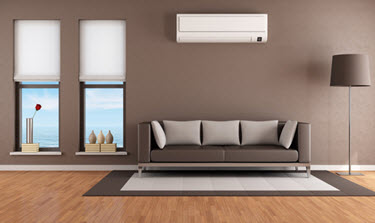 It’s important for people to feel comfortable at home, but standard HVAC systems waste a lot of energy. Also, since they keep the house at a single temperature, some occupants may not feel comfortable in their home.
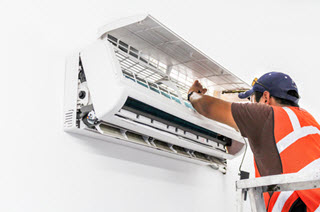 An
An 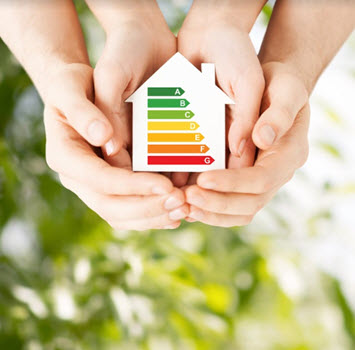 For a smaller carbon footprint, homeowners turn to ductless cooling. Because you can individually control the temperature in any given room (and not use it at all in unoccupied areas), there’s a considerable reduction in energy use, based solely on efficiency.
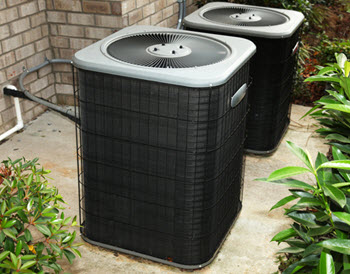 Spring is one of the most beautiful times of the year. It’s a break from the winter cold. The flowers start blooming, and you get to enjoy the warm spring sunshine.
 All AC systems and furnaces have filters but most of them come with the standard filters designed to trap large dirt and debris. Standard filters don’t do anything to trap very tiny particles like pollen and mold spores. Replace your standard filters with HEPA filters. These filters are excellent at trapping pollen, dust, spores and even smoke. To make sure that your indoor air is free from the tiniest of airborne allergens, choose a HEPA filter with a MERV rating of 10 or more. However, it is best to consult with a trusted
  Preventative maintenance can help prolong the life of your HVAC system. Dirty or broken parts can cause a strain on the entire system, causing it to underperform and even wear out faster.
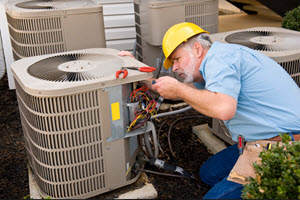 It’s always wise to avoid putting things off. That advice goes double for home
  When it’s time to sit down and do the budget, spring A/C maintenance makes plenty of sense too. For lower utility bills and more, homeowners should have their air conditioning systems checked and maintained during the springtime for the following reasons:
 The
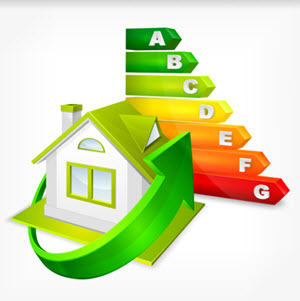
The 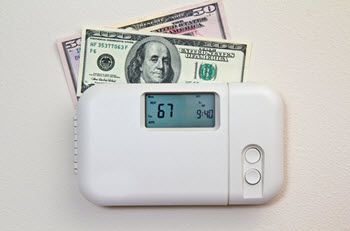 What you need to consider when replacing both systems is efficiency. Not only are older units far less efficient, but they also lack the design, components, and technology of newer systems that make them better at converting energy for heating and cooling. Recent models for AC systems, for example, have a Seasonal Energy Efficiency Ratio (SEER) rating of 25 (with some brands and models going as high as 26). Twenty years ago, the average SEER rating was around 8. Newer furnace models are far more efficient as well, helpful in bringing down the cost of maintaining a comfortable home.
 The replacement of both furnace and AC units could qualify a homeowner for special offers such as rebates and incentives from the manufacturer. These offers vary depending on the season and the manufacturer. However, it does not hurt to inquire once you have decided to have a new system installed. In many cases, you could save thousands of dollars on both systems if you purchase them from the same manufacturer. Again, the costs and savings will vary but getting two new systems could allow you to save on purchase cost.
 Some people associate humidity with uncomfortable and muggy summer conditions. However, there are an array of benefits of maintaining proper humidity levels in your home during the winter. More specifically, proper humidity levels play an important role in keeping you comfortable and healthy during the heating season. You can lower your heating costs simply by maintaining the humidity levels in your house anywhere between 30% and 60%, says the Environmental Protection Agency (EPA). This is because humid air typically retains heat more efficiently compared to dry air.
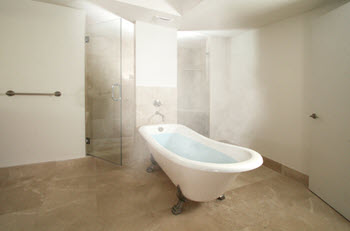 If you take warm baths, you can use your bathwater to humidify your home. More specifically, after taking a bath, do not empty your bathtub immediately when you get out of the tub. Instead, leave your bathwater in the bathtub for a while to allow evaporation to take occur. In turn, this will increase the humidity levels in your home.
 Plants typically lose water through their leaves through a process called transpiration, which means you can use houseplants to keep your home humid. In addition to watering your houseplants, you can also spray them with water regularly. Doing so will not only help to keep your plants well hydrated and clean, but it also adds moisture to your indoor air. Therefore, to improve your indoor air quality, invest in a few houseplants.
 As you probably know, your
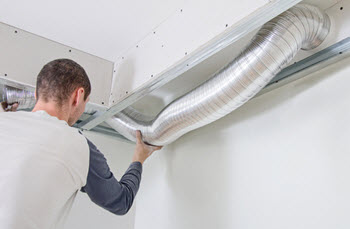
 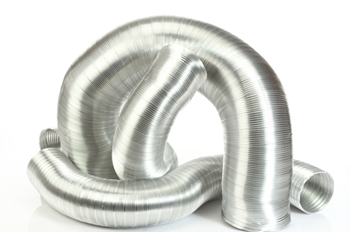 Over time, your ductwork system will likely get worn down and damaged. For this reason, you should hire a certified HVAC contractor to inspect your ducts regularly for signs of damage, including tangled, damaged, and bent ducts. If you have damaged ducts, you should replace them as soon as possible.
 Holes and gaps in your ducts let particulate pollutants including allergens, pollen, and dust to bypass your unit’s air filter and circulate throughout your home, compromising your indoor air quality. Even worse, poor indoor air quality can cause myriad health problems including, among others, stuffy noses, allergies, asthma, and respiratory problems. At the same time, holes and gaps in your ducts can spread mold spores throughout your house, leading to a mold infestation. If you notice holes and gaps in your ductwork system, you should replace your ducts as soon as possible to avoid compromising your indoor air quality.