 Air pollution is typically associated with dirty factories, car exhaust, and other factors that create poor outdoor air quality. Many fail to realize that pollution can occur indoors, as well.
This deserves attention as the average person spends most of their time indoors. Fortunately, there are many ways to improve indoor air quality to ensure the health of your loved ones. In this article, we’ll discuss what defines indoor air quality, the causes of indoor air pollution, and how to improve indoor air quality in your home.
What Is Indoor Air Quality?
- What Is Indoor Air Quality?
- Causes Of Poor Indoor Air Quality
- The Effects Of Poor Indoor Air Quality
- How Does HVAC Ductwork Impact Indoor Air Quality?
- How Can My HVAC System Improve My Indoor Air Quality?
- 1. HVAC Air Filters
- 2. UV Lights
- 3. HVAC Humidifiers And Dehumidifiers
- 4. Ductwork Inspections
- 5. HVAC Tune-Ups
- Call Point Bay Fuel For All Your Home Comfort Needs
Indoor air quality refers to the condition of the air we breathe while inside a closed structure. Air quality can affect people’s health and wellbeing. It can influence mood and comfort. What’s alarming is that studies have shown a much greater amount of contamination indoors than outdoors. Researchers point the finger at current building construction practices.
We tend to build more airtight spaces to chase higher energy efficiency. While we can reduce energy consumption, we lose out on fresh air from natural ventilation. Irritants in the air get trapped inside the home and build up to dangerous levels over time. Ducts recirculate dirt, dust, and dander at an ever-increasing amount.
Causes Of Poor Indoor Air Quality
The problem can be traced to a variety of things that relate to the way we live. For example, a lot of households have pets for companionship, security, and other benefits. Yet, they also generate a large amount of fur and dander that could trigger allergies. Paint-covered walls may release volatile organic compounds. Dirt and dust can make their way inside through footwear and the HVAC system. Mold and mildew may develop due to persistent moisture. Household chemicals can also add to indoor air quality issues.
The Effects Of Poor Indoor Air Quality
 Homeowners should pay attention, or they might suffer the consequences of poor indoor air quality. Family members may start exhibiting symptoms of respiratory ailments such as asthma attacks, persistent coughs, and breathing problems. They can experience chronic fatigue and digestive issues. The worst cases of indoor air quality can even lead to cancer.
How Does HVAC Ductwork Impact Indoor Air Quality?
The heating and cooling system uses ducts to circulate air around the home. If this network is filled with pollutants, then the whole house will be filled with contaminated air.
This will affect everyone indoors at all times until something is done to solve it. Indoor air quality standards have to be raised.
How Can My HVAC System Improve My Indoor Air Quality?
1. HVAC Air Filters
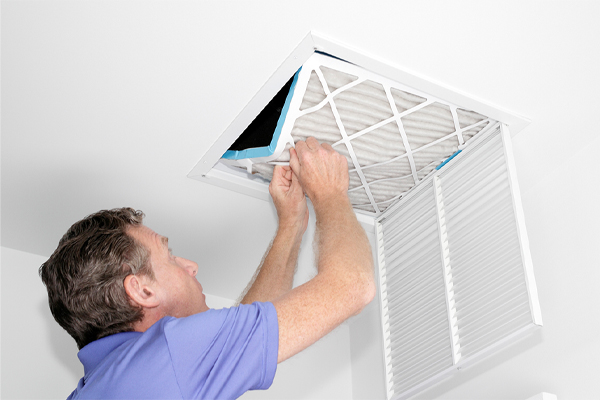 HVAC systems can air filters that are designed to remove pollutants from the air. However, the dirt build-up on their surfaces will eventually interfere with airflow and lead to inefficiencies. They need periodic cleaning and replacement. A monthly casual inspection should determine whether it’s time to do so.
2. UV Lights
Ultraviolet light can have harmful effects on people, but they can be harnessed for good as indoor air pollution solutions. For example, UV light is known to destroy viruses, bacteria, mold, and other dangerous pathogens. They can zap these in an instant simply through a brief exposure. Installing UV lamps at strategic locations across the HVAC system can be of enormous help. Talk to your HVAC contractor to learn more.
3. HVAC Humidifiers And Dehumidifiers
The humidity level can drastically affect indoor comfort, so controlling it is essential. In the winter, household humidity can drop, and dry air may cause respiratory issues. Using a humidifier can solve the problem. In the summer, humidity can rise and create the perfect conditions for mold, pathogens, and other harmful microorganisms. A dehumidifier can balance things out. Also, modern HVAC systems can control the amount of moisture in your home. If you have an old HVAC unit, it may be time to replace it with one that offers this feature. Therefore, talk to your local HVAC company to find out more.
4. Ductwork Inspections
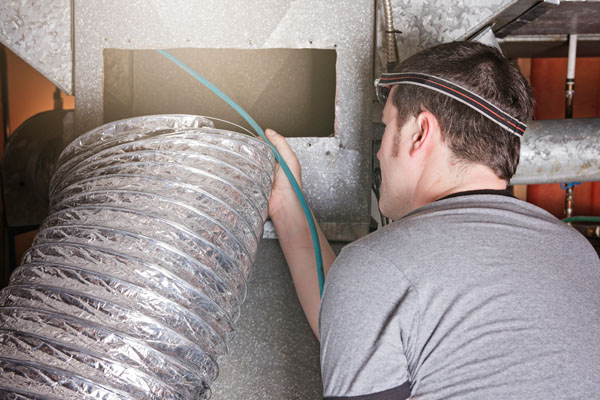 As mentioned above, the ducts are responsible for channeling the indoor air where it needs to go. They terminate in every room in the house to keep everyone comfortable. Ductwork inspections should be performed on every so often to make sure that the system is clean and free from pollutants.
Also, if there is a leak in the ductwork system, dirt and other pollutants will enter the system and then be redistributed into the air that you breathe. Therefore, if you have a forced-air HVAC system, be sure to maintain your ductwork regularly. Schedule a ductwork inspection with your HVAC contractor today.
5. HVAC Tune-Ups
Regular heating and cooling maintenance help the HVAC system stay energy efficient and problem-free. Professional HVAC tune-ups can spot issues related to residential indoor air quality and provide immediate resolutions. Furthermore, homeowners will also be able to comply with warranty conditions to keep it valid. This should be conducted at least once a year for both your heating and cooling system.
Call Point Bay Fuel For All Your Home Comfort Needs
People should be concerned with how to improve air quality at home as it directly affects their health, comfort, and overall wellbeing. Furthermore, with a bit of vigilance and help from professionals, they can enjoy clean air for stress-free living.
Point Bay Fuel offers superior heating and cooling services in the area. We hire the best NATE certified technicians who can provide you with excellent HVAC tune-ups, repairs, installations, and replacements. Each of our techs has the knowledge and experience to service your HVAC system correctly. As always, we prioritize energy efficiency, comfort, indoor air quality, and more.
Do you need to improve your indoor air quality? Be sure to contact Point Bay Fuel for a free consultation. We can find the best solutions for your home that fit within your budget. Furthermore, all of the work that we perform for you is guaranteed to ensure your satisfaction. You can also give us a call today to find out more about what Point Bay Fuel can do for you.
Contact us now by calling (732) 349-5059 to speak to one of our home comfort specialists!
The post How To Improve Your Home’s Indoor Air Quality With These Simple Tips appeared first on Point Bay Fuel.

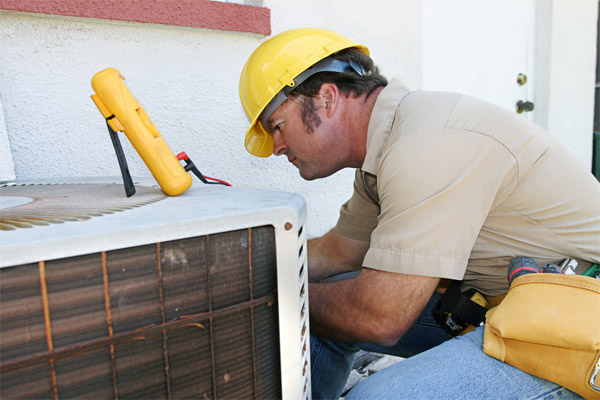 Every type of equipment requires upkeep for continued use. This is certainly true for heating and cooling systems. Although they are designed to be reliable, they are not immune to wear and tear. Regular HVAC maintenance is necessary if you would like to avoid debilitating breakdowns in the future. It’s worth paying for this small cost as you’ll be able to avoid more expensive repairs down the line. One effective way to accomplish reliable performance from your HVAC system is by signing up for an
 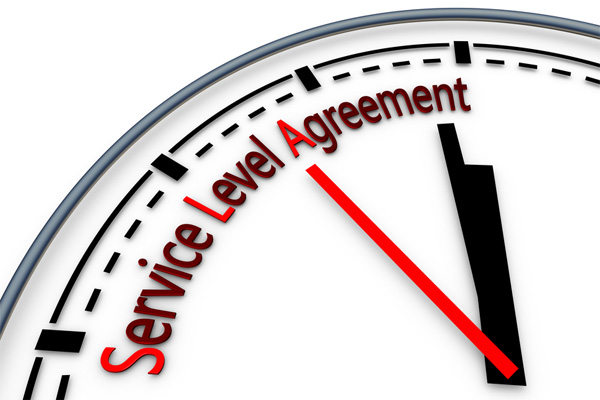 While periodic maintenance can reduce the probability of breakdowns, HVAC equipment can still fail for a variety of reasons. Getting immediate repair services is ideal as this will minimize disruption. Contractors will be sure to prioritize customers with an existing HVAC yearly contract over those who don’t. They will treat the matter as an emergency and send an experienced technician right away. This is a major advantage during the height of winter or summer as equipment failures become commonplace.
 Heating and cooling systems can last for a long time. If they undergo regular maintenance, then they can be operational for much longer than one that doesn’t. This should give owners plenty of time to recoup the cost of their investment and save for the eventual replacement units. On the other hand, those who neglect their HVAC equipment are likely to experience frequent issues, premature failures, and HVAC repair calls. They will have to replace their heating and cooling units much earlier than the projected lifespan.
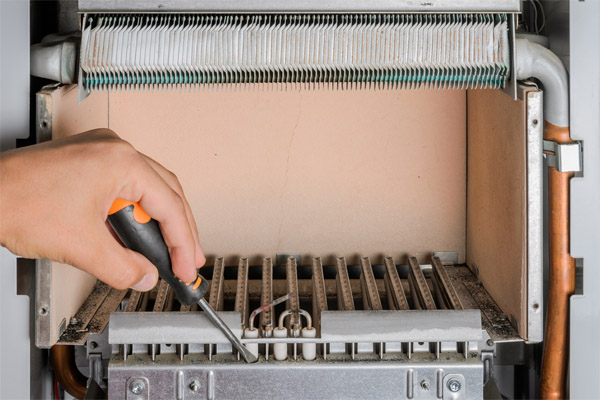 An electronic ignition failure is one of the most common problems you can encounter with a gas furnace. Knowing how to spot when your
 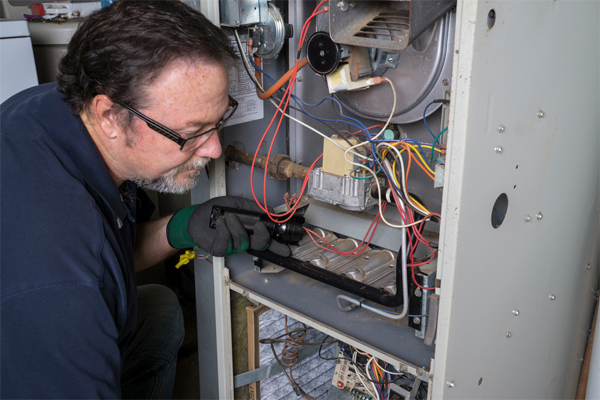 An electronic gas furnace ignition failure occurs when the electronic ignition fails and therefore does not ignite the burners.
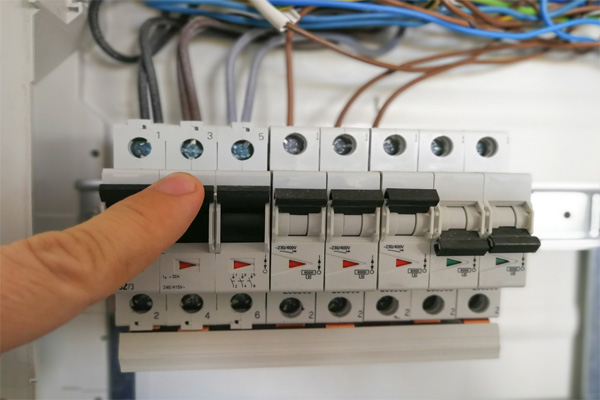 It pays to know how to do simple troubleshooting, so you have an idea of what you’re dealing with. Common troubleshooting steps you can take include:
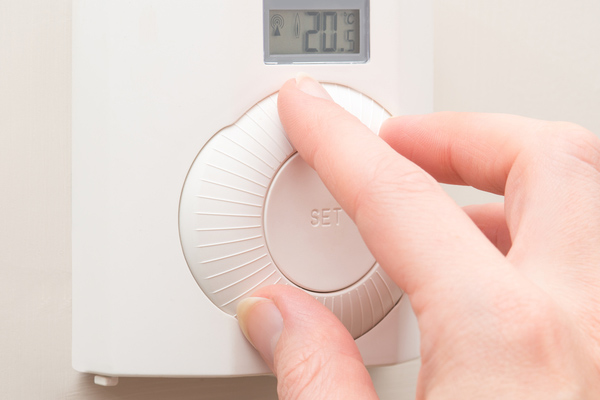 Your HVAC system should keep you comfortable at all times. If it is not able to do so, then you should investigate right away. One or more components might be failing.
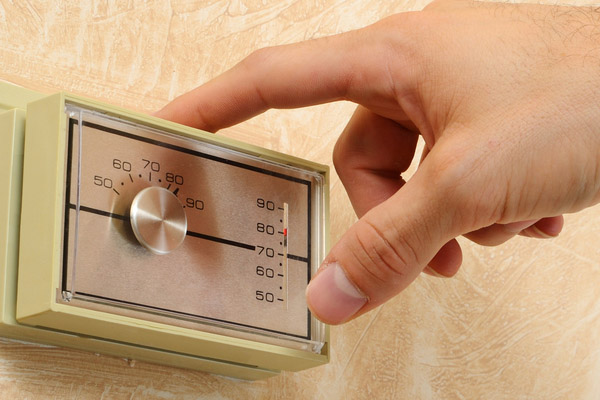 Old thermostats are prone to error. Although these units can last for a long time, their effectiveness drops at some point. They cause too many issues and become harder to maintain. Connection problems may become frequent. Also, the dirt may be harder to clean, and the sensitivity may plummet.
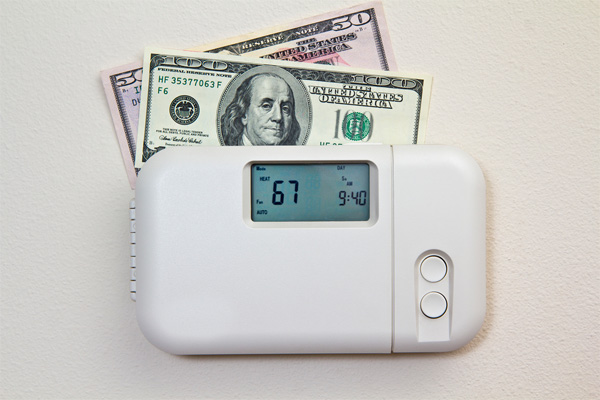 Heating and cooling systems use up a lot of energy. Anything that could reduce consumption is welcome as it will also result in reduced energy bills. Replacing an old manual thermostat with a programmable thermostat is one of the most effective ways of doing this.
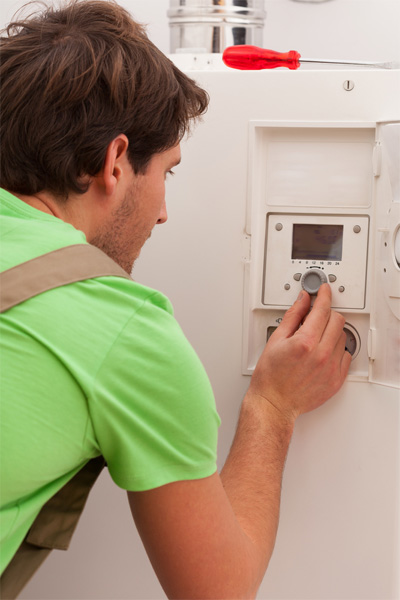 Few people have the budget for a full system replacement even if they are dealing with a very old heater and AC.
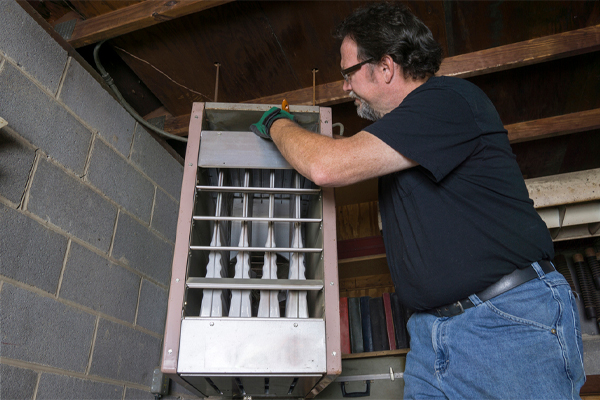 Your
Your  All machines suffer from a gradual reduction in efficiency over time. There are ways to slow this down, such as regular tune-ups. However, this decrease in efficiency cannot be eliminated entirely.
 The effectiveness of the heating system will also regress with time. In the first few years, it was probably able to keep every room warm enough to keep the whole family comfortable. After a while, the rooms located farther from the system will begin to feel a bit colder until staying in them becomes unviable.
 Every homeowner should have some
  A furnace that is working normally should be efficient, and this should show in its energy consumption. If a spike in the use of energy is observed without any reasonable explanation, it may be a good time to call a licensed HVAC technician for a proper inspection.
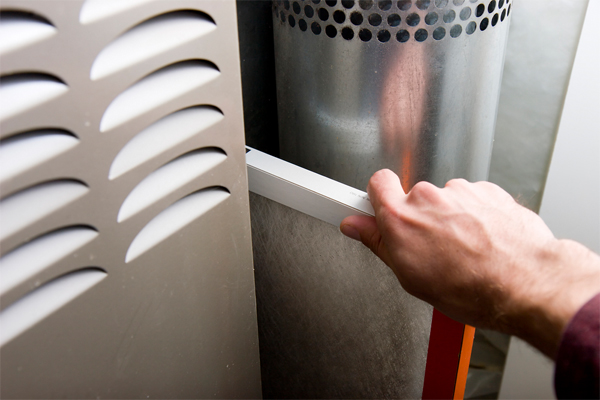 Not every type of heating system problem requires the attention of a professional. In fact, a homeowner can perform simple, basic fixes and preventive procedures to keep the system running efficiently. Here are some basic troubleshooting steps you can do.
 It is a great feeling when you find a good HVAC repair company. When you know that there is a company you can trust when things go wrong, it gives you peace of mind. Everything can go back to normal without any further damage being caused. Having a trustworthy furnace repair service can also limit the inconvenience that a breakdown can cause.
 First impressions aren’t always accurate; however, they can be a good starting point. If you want to be sure that you are choosing the best furnace repair company, you should check out their website. This is a great way to get a general feel for the company. If the website looks professional with high production value, it makes the company look good. If the site looks dated and doesn’t provide much information, it is a red flag.
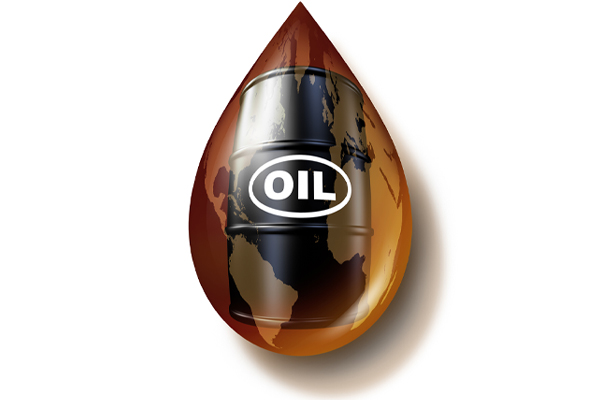 When it starts to get cold outside, business owners and homeowners dread opening their heating bills and getting the shock of prices that seem to increase each time the temperature drops. Those living in frigid climates must include more money for high heating costs in their budgets for at least six months–from late fall to early spring.
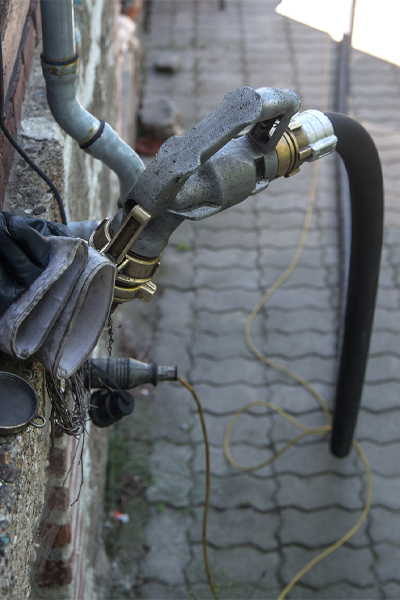 Winter is the peak time for heating oil use, making the demand higher. The price of crude oil is not the only factor that drives up prices when demand is high. There are costs involved with getting heating oil to the homes and businesses that use it. More drivers and more trucks on the road add to the cost of doing business, which can also increase costs for the consumer.