Monday, December 2, 2019

Common Winter Furnace Problems And How To Troubleshoot

furnace troubleshooting

Simple furnace troubleshooting is a skill that every homeowner should learn. This will come in handy when the cold autumn and winter months come. Furnaces are built tough but they are not invincible. Sooner or later, these hardy systems will show problems and issues that will affect the comfort and safety of your home. Although not every problem can and should be approached through a DIY method, there are certain furnace troubleshooting steps you can do.

Explore Our Furnace Services Call To Schedule A Free, In-Home Estimate

Furnace Troubleshooting Tips For Every Homeowner

In this article, we discuss some common furnace troubleshooting tips that any homeowner can accomplish.

Lack Of Furnace Maintenance

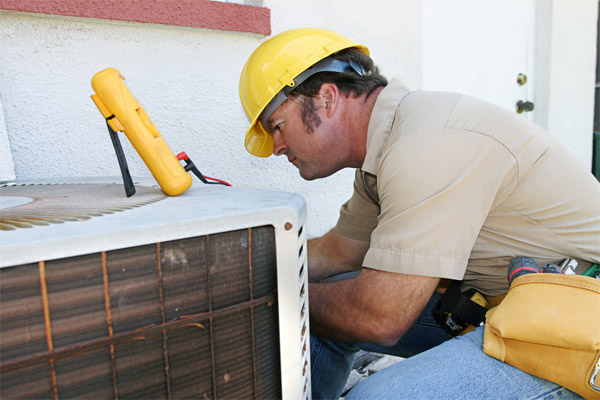
A furnace gets overworked during cold months and is expected to be operational in other months. Without a regular furnace maintenance schedule, heating equipment has a higher likelihood of breaking down due to wear-and-tear and component damage. Regular maintenance is actually fairly simple. Combine gas furnace troubleshooting, an annual furnace tune-up, and HVAC repair when and where necessary by a certified HVAC company to ensure that the furnace is working efficiently. Do not wait until the damage is extensive before calling an HVAC contractor. By that time, there may be irreparable issues that could cost a lot of money to fix.

Troubleshoot: Get the unit inspected by a professional at least once annually.

Call Today: (732) 349-5059


Dirty Furnace Filter

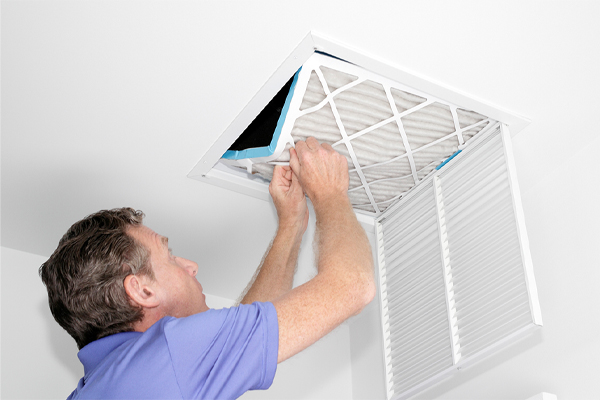
When performing gas furnace troubleshooting on a unit that is several years old, a common issue you are likely to come across is a dirty filter. Air filters control the level of particulates in the air that is distributed throughout the house. They ensure that the air you breathe is clean and safe. Over time, air filters collect so much dust, dirt, and debris that they become clogged and less efficient.

Troubleshoot: Check the filter on a monthly basis. When it is dirty, take out the air filter and clean it or replace it.


Electric Ignition Or Pilot Control Problems

A problem with the electric ignition may be the result of an electrical issue. If the pilot is out, the furnace will fail to heat home. If your furnace uses an electronic igniter, do not light it manually. Re-light it only if the furnace has power but be sure you use the owner’s manual for reference.

Troubleshoot: Check the circuit breaker. If it tripped, simply fix this issue, then continue to check the unit itself. Look for clogs or drafts. If the unit still fails to re-light, call a licensed HVAC contractor immediately.

Learn More About Our Furnace System Services Call To Schedule A Free Consultation

Malfunctioning Thermostat

If a furnace will not turn on with the thermostat, it is likely that the component is faulty or damaged. This is usually a fairly easy troubleshooting job and not likely to be costly unless the component itself has to be replaced or upgraded. If the thermostat fails to show temperature readings, the problem may be with the batteries.

Troubleshoot: Reset the thermostat by turning the furnace switch on and off, or shutting down the power to the unit completely. Replace old batteries with fresh ones periodically. If these steps fail, call an HVAC technician to inspect the unit.
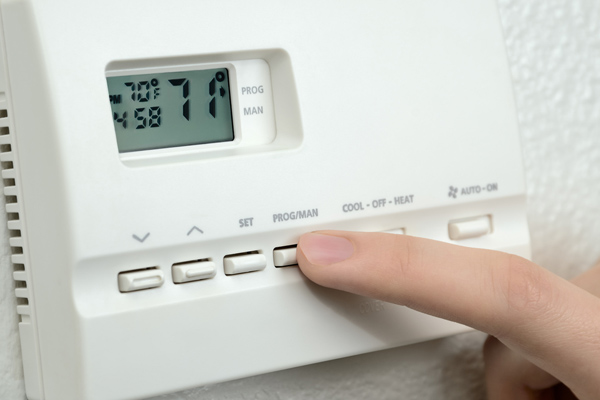
malfunctioning thermostat

Furnace Blowing Cold Air

There are several possible reasons why a furnace does not produce warm air. It could be due to the wrong temperature setting, a clogged filter, lack of gas or power, or the pilot light going out. It could also be that the furnace has an insufficient capacity for the space it is supposed to heat up.

Troubleshoot: Check the sizing of the furnace for the home by calling an HVAC company. If it is too small, you will need an upgrade. Clean or replace the air filter, check the pilot light and fuel, or check the power. Ensure that the thermostat is on the right setting.

Learn More About Our Furnace Repair Services

Furnace Is Frequently Cycling

Frequent or short cycling refers to a type of malfunction wherein the furnace switches on and off frequently. Cycling is fairly noticeable because it shows up as short and constant bursts of activity. It could occur due to improper temperature reading, dirty air filters, wrong furnace sizing, or overheating.

Troubleshoot: Check if the thermostat is working properly or is damaged. If the thermostat receives direct light or heat from an external source such as the sun or a stove, it is likely to give off the wrong temperature reading. Call an HVAC contractor to see if the furnace is the right size for your home. If the furnace has a damaged heat exchanger, call your local HVAC contractor right away.
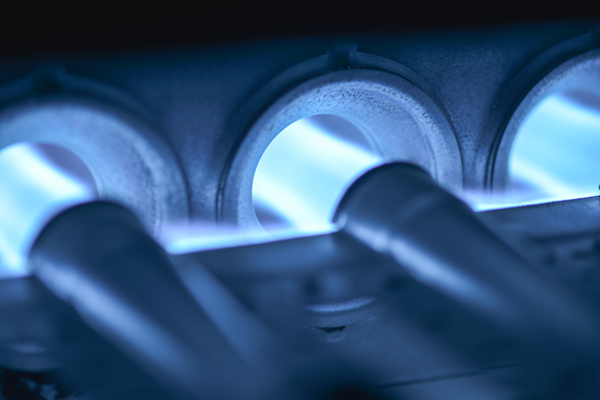
furnace short-cycling

Furnace Blower Continuously Runs

A furnace blower that keeps running when it is expected to stop may have a problem with the limit switch. In some models, the fan limit switch can be turned off manually. If this is the case, simply check if it is in the manual or automatic position and make the proper adjustments accordingly.

Troubleshoot: Leaving the limit switch at the automatic setting will stop the fan from running continuously. However, if the problem is a damaged limit switch, have a licensed HVAC contractor check the unit.

Call To Make An Appointment

Furnace Produces Unusual Noise Or Smells

There are certain noises a furnace makes that are warning sounds that you should not ignore. These are clicking, booming, clanging, and screeching noises. If it produces an unusual smell, it could also be a sign of trouble.

Troubleshoot: If the problem is airflow, check the air filters and possible airflow blockage. If the burner is clogged or if the problem is mechanical, do not attempt to fix the problem yourself. Instead, call a professional heating expert.

Call Point Bay Fuel When You Need Furnace Repair Or Replacement Services

Point-Bay-Fuel-Logo

Homeowners should be able to perform simple heating system troubleshooting steps safely as long as they have the right information. Learn to understand how your furnace works and what you can safely do. In some cases, the problem you have does not even require a professional. The better you understand your furnace, the more efficiently it can work for you.

Point Bay Fuel offers superior heating and cooling services in the area. We hire the best NATE certified technicians who can provide you with excellent HVAC tune-ups, repairs, installations, and replacements. Each of our techs has the knowledge and experience to service your HVAC system correctly.

Need a heating system repair or replacement? No worries. You are in good hands with Point Bay Fuel. We guarantee the most competitive furnace repair and replacement costs in the area. If you happen to need a replacement system, we can recommend the best one for your home while staying within your budget. As always, we prioritize energy efficiency, comfort, indoor air quality, and more. To schedule an appointment, give us a call today for a free, in-home estimate.

Call Today: (732) 349-5059

Contact us now by calling (732) 349-5059 to speak to one of our home comfort specialists!


The post Common Winter Furnace Problems And How To Troubleshoot appeared first on Point Bay Fuel.

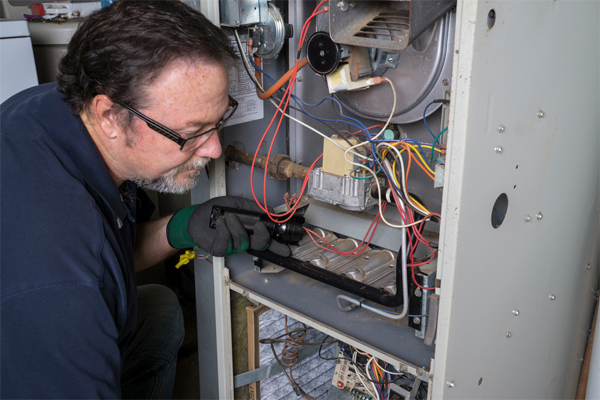
Monday, November 25, 2019

Common Furnace FAQs

furnace repair service

Temperatures around the country are starting to plunge as we welcome the winter season. Homeowners should check their furnaces and make sure that these are ready for the coldest months of the year. If there are any doubts about their working condition, then home heating professionals should be called in to perform furnace tune-ups or repairs. It is better to do this sooner rather than later, as it may become difficult to schedule HVAC services at the peak of winter.

Explore Our Furnace Services Call To Schedule A Free, In-Home Estimate

Homeowners tend to have a lot of questions during this time. They want to know whether they should call for one type of service or another. They need guidance as they try to shop for a new furnace while balancing the short-term and long-term costs. Experienced HVAC contractors can provide comprehensive answers for unique situations. For now, we will provide general answers to these furnace FAQ:

Do I Really Need Maintenance On My Furnace?

YES. Furnace maintenance is a necessity. Manufacturers typically require proof of maintenance before honoring the warranty. They provide detailed instructions on how to care for the units in the manual. It’s best to follow these than risk sudden failures and costly repairs. Regular furnace tune-up ensures safety, longevity, and efficiency.

When Should I Call For Furnace Repairs?

You should call for furnace repair as soon as you notice a problem. Any delay will only make the issue worse and ramp up the cost. Problems are easier, faster, and cheaper to resolve during the initial stages. Find a furnace company that has a good reputation among the locals.

broken furnace

When Should I Schedule A Furnace Replacement?

There is no specific timeframe for furnace replacement since units will differ in quality and longevity. Most can last well over a decade with proper care. After ten years, homeowners may want to start saving up. Frequent breakdowns can be stopped once and for all by a new furnace installation.

What Are Furnace Replacement Signs?

You might need a heating system upgrade if you notice multiple symptoms like delayed ignition, inadequate heat, odd smells, worsening corrosion, and pilot light failure. Reduced energy efficiency is also a sign that you should replace your furnace. It manifests as increased energy consumption and rising monthly bills.

How Often Should I Replace My Furnace Filters?

An HVAC air filter will prevent dirt and dust from entering the system to protect indoor air quality. However, the surface will get clogged up over time. Home air filter replacement should be performed regularly as stated in the manufacturer’s manual. Check monthly and replace it when necessary.

Call Today: (732) 349-5059

What Is The Best Type Of Furnace?

The best furnace is the one that suits your home. It should have just the right heating capacity to provide adequate warmth around the house. It should also have a high AFUE rating. In the US, most furnaces will have a rating that is greater than 80%.

How Can I Reduce My Home Heating Bill?

Home heating is one of the biggest household expenses. Reduce your bills by conducting heating system maintenance on a regular basis. This increases the energy efficiency of the system, so less fuel is consumed throughout the cold months. Setting the thermostat to milder temperatures also helps.

high home heating costs

How Do I Determine The Size, Or Capacity, Of A Furnace For My Home?

The correct furnace size can be found by considering multiple factors, including the total floor area, the ceiling height, the insulation, the orientation, the amount of shade from trees, and the regional climate. Knowledgeable HVAC contractors will be able to perform a Manual J load calculation for a precise figure.

How Long Will My New Furnace Last?

Furnace lifespan varies greatly from one home to another. Homeowners can expect their new installation to last over 20 years as long as the unit receives proper care. It should also be of the right size for your home. If unsure, go to an HVAC contractor and ask about sizing estimates.

Learn More About Our Furnace System Services Call To Schedule A Free Consultation

What Is A Furnace’s AFUE Rating?

The Annual Fuel Utilization Efficiency ratio measures a unit’s heat production relative to its fuel consumption. What is a good AFUE rating? It should at least be 80% and ideally greater than 90%. Check how to find AFUE rating from your user manual. It’s usually printed on the faceplate.


Conclusion

Furnaces can be relied upon to provide warmth and comfort during winter for a long time. Their lifespan can even exceed two decades, but homeowners will need to do their part in maintaining the system. They should monitor the air filters and change them whenever necessary. They should also call in the professionals for annual tune-ups. This will include a comprehensive inspection and cleaning. Minor repairs will be performed when needed.

As for those who have an older unit, the possibility of getting a replacement may be considered. Frequent breakdowns, spiraling fuel consumption, poor performance, and extreme old age are all good reasons to get a new unit. Just make sure that the replacement furnace will be of the right size for the house. Manual J load calculations should be performed to arrive at the necessary heating capacity. A high-efficiency unit would be ideal.

Call Point Bay Fuel For All Of Your Home Heating Requirements

Point Bay Fuel offers superior heating and cooling services in the area. We hire the best NATE certified technicians who can provide you with excellent HVAC tune-ups, repairs, installations, and replacements. Each of our techs has the knowledge and experience to service your HVAC system correctly.

Need a heating system repair or replacement? No worries. You are in good hands with Point Bay Fuel. We guarantee the most competitive furnace repair and replacement costs in the area. If you happen to need a replacement system, we can recommend the best one for your home while staying within your budget. As always, we prioritize energy efficiency, comfort, indoor air quality, and more. To schedule an appointment, give us a call today for a free, in-home estimate.

Call Today: (732) 349-5059

Contact us now by calling (732) 349-5059 to speak to one of our home comfort specialists!


The post Common Furnace FAQs appeared first on Point Bay Fuel.

Monday, November 18, 2019

Should I Keep My Wall Vents Open Or Closed?

hvac air registers

Many homeowners attempt to save on the cost of heating and cooling by keeping vents closed in unoccupied rooms. The logic for this is simple. Since vents are closed, cooled or heated air will be redirected elsewhere where it is needed. As a result, the use of conditioned air is maximized. While this may seem reasonable, the truth is that it could be costing you more in the long run. It also causes damage to your HVAC system.

Explore Our HVAC Services Call To Schedule A Free, In-Home Estimate

Reasons To Avoid Closing Registers For Temperature Control

In this article, we discuss why you should keep your registers open. Also, we share some tips on how you can save energy with the use of HVAC zoned solutions.

Understanding How HVAC Ventilation Works

Your home is likely to have a closed system wherein air is filtered to keep it clean and safe to breathe. Since the home is essentially closed, air remains motionless without an external force (such as a fan) to move it. A blower fan is used to distribute the air indoors. In a home where an HVAC system is in place, the air is moved to condenser coils to cool it or it is moved from the heating component (such as a furnace) where it is heated and distributed to different areas.

Depending on the HVAC system you have in your home, your fan motor may be fixed or variable. A fixed motor maintains a steady rate regardless of the air pressure indoors, while a variable motor will adjust itself automatically depending on the pressure it senses. The first type of motor is cheaper and often does not have a complicated set of components to run. If your home happens to have a system with a fixed motor, expect it to work harder just to move and redistribute air through a limited space.

Call Today: (732) 349-5059

Why We Do Not Recommend Closing Your Air Registers

If you are trying to save on the cost of energy, closing the vents is definitely not one money-saving step you should do. Here are the reasons why.

Your Home HVAC System Does Not Work the Way You Might Think

The HVAC system does not have a built-in sensor that detects whether the registers are closed or open. It will continue to use the same level of energy to produce the same air volume, whether it is warm or cool. What it does do is to maintain the setting on the thermostat. As long as the thermostat setting is in place, the HVAC system will not slow down at all. In short, you will still be paying for the same amount of energy.

Imbalance In Pressure Will Be Created

When you close the registers in an attempt to save on energy, what you are closing is actually the supply register. The return register, which is responsible for drawing the air from the room, will remain open. Since the return register takes air away from an enclosed room, it creates a lower pressure. The depressurization of the room forces the infiltration of outdoor air through tiny holes, gaps, or cracks. This action leads to the destabilization of indoor air temperature, which could increase or decrease depending on the temperature of the outdoor air. This can also degrade the quality of indoor air.


Uneven Room Temperature

The HVAC system has internal dampers that adjust to control the volume of air supply into each room. This adjustment is necessary to ensure that there is sufficient airflow volume so that your HVAC system can maintain consistent temperatures. This is regardless of the distance of the room to the blower. When you close one or several supply registers, you cause the disruption of temperatures and airflow balance not just in the rooms but throughout the whole system. Due to this imbalance, there may be too much airflow in the rooms that are closer to the blower while too little airflow may be experienced in rooms farther away.

Increased Risk Of Wear-And-Tear To The System

When supply vents are closed, they increase static pressure within the supply ductwork. This, in turn, increases pressure in the system blower, putting more strain into that component. When the system blower continues to operate under increased stress, it is more likely to give in to wear-and-tear and have a shorter lifespan.

high energy bills

What To Do To Save On Your Home Heating & Cooling Costs

First, keep in mind that your HVAC system’s size is based on the measurements and other factors of your home. When its size matches the area of your home, it will heat up or cool down that specific amount of space. If you reduce the amount of space by closing the vents, the system will not work properly.

If you want to save money and still maintain a comfortable home, try using a system that offers zone temperature control. This will allow you to divide your home into several zones. The rooms upstairs, for example, could be one zone, while the rooms downstairs could be another zone, and the basement another zone. With zone temperature control, you can maintain different temperatures for different zones.

You could also adjust your thermostat to a setting that lets your HVAC system operate at the minimum or use fans to allow air indoors to circulate. Apply window treatments to maintain indoor temperature or leave open doors to rooms that are too warm or too cold to allow air to be distributed evenly.

You can also install a ductless HVAC system to supplement your central HVAC system. These systems offer zoned control and so you can install them in rooms or zones that you use more frequently. This way, you can adjust the thermostat to your central HVAC system so that it operates less and customize your comfort in the rooms that you are using. Talk to an HVAC contractor, like Point Bay Fuel, to find out more.

Learn More About Our HVAC Services Call To Make An Appointment


Call Point Bay Fuel For All Of Your HVAC Requirements

For a trusted HVAC service provider, call Point Bay Fuel. We can provide you with exceptional and affordable HVAC services. Some of our services include installations, repairs, and maintenance.

You can count on us to provide you with friendly and knowledgeable service at affordable prices. By delivering honest and exceptional service, we can ensure the satisfaction of our customers.

Contact Point Bay Fuel today to learn more about what we can do for you! You can schedule a free, in-home consultation with one of our NATE certified HVAC professionals. Whatever your concerns, you can count on us to provide you with practical and affordable solutions. Call Point Bay Fuel now!

Call Now: (732) 349-5059

Click here to contact us now or call us at (732) 349-5059 to speak to one of our home comfort specialists!

The post Should I Keep My Wall Vents Open Or Closed? appeared first on Point Bay Fuel.

Monday, November 11, 2019

The Ultimate Guide For Residential Boilers

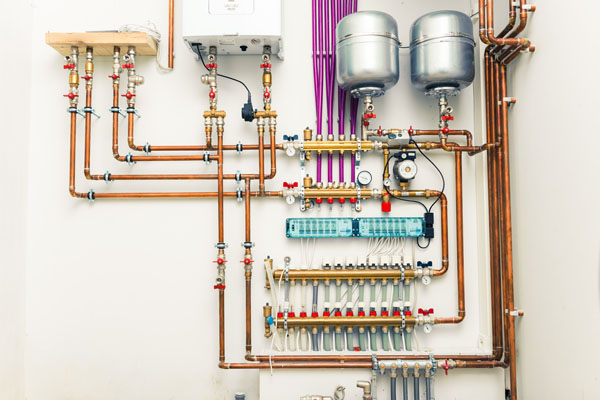
boiler in home

We rely on residential boilers to keep our home warm during the coldest winters. But what happens if your trusty boiler starts showing signs of trouble? Should you call to have it fixed or get it replaced? Let’s take a look at your options.

Common Problems With Residential Boilers You Could Encounter

Boiler Turns Off By Itself

If the boiler switches off on its own, it could be due to several reasons, such as a problem with the thermostat, a frozen condensate pipe, low water pressure, faulty pump, or air pressure.

Pilot Light Goes Out

If the pilot light keeps switching off, the boiler may have damaged seals or a faulty thermocouple. Do not attempt to fix the pilot light on your own. Instead, call a licensed HVAC company to fix the problem right away.

Leaking Boiler

A leaking boiler may have damaged components or loose connections. To be on the safe side, call an HVAC contractor to get the unit repaired.

Low Pressure

Boilers that run on a pressurized system may start losing pressure due to issues with their expansion vessel or a water leak. While you may be tempted to fix a residential boiler on your own using the instruction manual, it is far safer to call the HVAC company instead.

Explore Our Boiler Services Call To Schedule A Free, In-Home Estimate


When To Replace Your Residential Boiler

Below, we discuss when to repair vs. replace your boiler.

Age

With age, your boiler will have to work harder to heat your home. On average, the lifespan of a boiler is about 15 years. Once it is a few years shy of its 15th year of service, it will begin to show signs of wear-and-tear.

Low Efficiency

Along with age, damage and neglect can cause a boiler to become less efficient. A low-efficiency boiler will work twice as hard to produce enough heat to keep your home comfortable. As a result, you will pay more for energy than you would with a high-efficiency unit.

Hot/Cold Patches

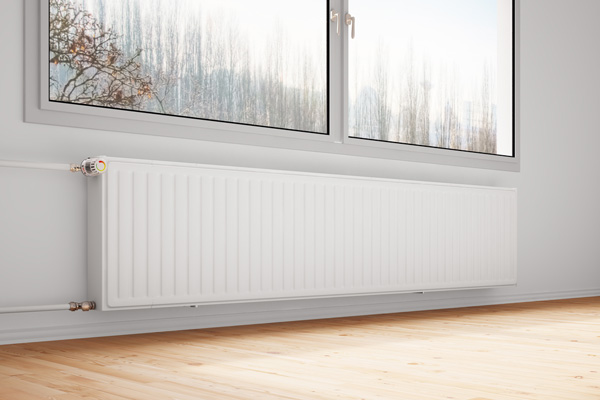
Patches of warmth and cold in the radiator can often be blamed on trapped air or a build-up of sludge. This results in unequal heat distribution.

Unusual Noises

A residential boiler system is not supposed to make whistling, gurgling, or banging noises. If your boiler is unusually noisy, call a residential boiler service company to make the proper diagnosis.

Frequent Repairs

If the cost of boiler repair is close to or higher than the cost of a replacement unit, it is time to have your old unit replaced. Also, if you have to repair your boiler a few times a year, then it is time to start shopping around. It is wiser to invest your hard-earned money on a new unit than to keep dumping money on a boiler that is on its way out.

Call Today: (732) 349-5059

boiler heating system

What Are The Features And Advantages Of A Residential Boiler Replacement?

If you are deciding between getting your boiler replaced or having it repaired, consider the many benefits of having a new boiler installed.

  • Increased Comfort: A new residential boiler can provide your home with a warm and comfortable atmosphere when and where you need it most. You have peace of mind knowing that your boiler will work for you even in the middle of the coldest winter.
  • Reduced Energy Costs: A high-efficiency boiler does not consume as much energy as an older unit. Also, it optimizes the use of fuel, keeping your home warm at a cheaper cost.
  • Low Operational Costs: A new boiler has fresh components that can function well for many years. That means you do not need to pay for frequent boiler checkups or repairs.
  • Warranty: Every new equipment purchase comes with a warranty that covers parts and repair. You are assured of excellent service whenever you need it.

What Homeowners Should Consider Before Buying A New Boiler

  • Size: If a residential boiler is oversized, it will consume more fuel. If it is undersized, it will not work efficiently. Sizing matters and should be gauged based on factors such as the home’s insulation values, wall thickness, air filtration, house orientation, foundation, among others.
  • Energy Efficiency: A boiler installation company will gladly recommend a high-efficiency system for you. Energy-efficient boilers have lower fuel consumption but can perform exceptionally well.
  • Fuel Type: If your home uses natural gas or oil, you will need to invest in a boiler that uses the same fuel type.
  • Brand: Some brands have built their reputation on the performance of their units. They may also offer better services in your area.
  • Warranty: Typically, the manufacturer will offer a warranty or guarantee period of up to 10 years and provide coverage of parts replacement to a limited degree.
Explore Our Heater Repair Services Call To Make An Appointment

What Is the Difference Between High-Efficiency Vs. Standard-Efficiency Boilers?

Boiler efficiency (AFUE) refers to the amount of heat the unit produces in relation to the fuel it consumes and the amount of fuel that evaporates as gas. A high-efficiency boiler is designed to cool flue gases so that any steam produced will condense and turn back into a liquid. As a result, it retains and produces more heat.

A standard-efficiency boiler, on the other hand, can lose up to 20% of the heat it produces, which means the unit will likely use up more energy to warm your house.

Although high-efficiency boilers cost more initially, they pay for themselves over time in the form of lower energy costs. Therefore, they are worth the investment.

Call Us To Schedule A Consultation

energy efficient heating system

Call Point Bay Fuel For All Of Your HVAC Requirements

Choosing the right type of boiler and ensuring that it is efficient enough will go a long way to ensure your comfort and savings. Consider all your options carefully so you can make an informed decision regarding one of the most important equipment in your home.

Point Bay Fuel is the area’s leading expert for heating and cooling services. Our NATE certified technicians have the experience to solve any of your home comfort problems in a fast, friendly, and knowledgeable manner. You can count on us to provide you with the most competitive prices in the area. Also, to ensure your satisfaction, we guarantee all of the work that we perform for you. Be sure to give Point Bay Fuel a call today to schedule a free, in-home estimate.

Call Now: (732) 349-5059

Contact us now by calling (732) 349-5059 to speak to one of our home comfort specialists!

The post The Ultimate Guide For Residential Boilers appeared first on Point Bay Fuel.

Monday, November 4, 2019

How To Improve Your Home’s Indoor Air Quality With These Simple Tips

indoor air qualityAir pollution is typically associated with dirty factories, car exhaust, and other factors that create poor outdoor air quality. Many fail to realize that pollution can occur indoors, as well.

This deserves attention as the average person spends most of their time indoors. Fortunately, there are many ways to improve indoor air quality to ensure the health of your loved ones. In this article, we’ll discuss what defines indoor air quality, the causes of indoor air pollution, and how to improve indoor air quality in your home.

Explore Our HVAC Services Call To Schedule A Free, In-Home Consultation

What Is Indoor Air Quality?

Indoor air quality refers to the condition of the air we breathe while inside a closed structure. Air quality can affect people’s health and wellbeing. It can influence mood and comfort. What’s alarming is that studies have shown a much greater amount of contamination indoors than outdoors. Researchers point the finger at current building construction practices.

We tend to build more airtight spaces to chase higher energy efficiency. While we can reduce energy consumption, we lose out on fresh air from natural ventilation. Irritants in the air get trapped inside the home and build up to dangerous levels over time. Ducts recirculate dirt, dust, and dander at an ever-increasing amount.

Causes Of Poor Indoor Air Quality

The problem can be traced to a variety of things that relate to the way we live. For example, a lot of households have pets for companionship, security, and other benefits. Yet, they also generate a large amount of fur and dander that could trigger allergies. Paint-covered walls may release volatile organic compounds. Dirt and dust can make their way inside through footwear and the HVAC system. Mold and mildew may develop due to persistent moisture. Household chemicals can also add to indoor air quality issues.


The Effects Of Poor Indoor Air Quality

indoor air pollutionHomeowners should pay attention, or they might suffer the consequences of poor indoor air quality. Family members may start exhibiting symptoms of respiratory ailments such as asthma attacks, persistent coughs, and breathing problems. They can experience chronic fatigue and digestive issues. The worst cases of indoor air quality can even lead to cancer.

How Does HVAC Ductwork Impact Indoor Air Quality?

The heating and cooling system uses ducts to circulate air around the home. If this network is filled with pollutants, then the whole house will be filled with contaminated air.

This will affect everyone indoors at all times until something is done to solve it. Indoor air quality standards have to be raised.

How Can My HVAC System Improve My Indoor Air Quality?

1. HVAC Air Filters

dirty hvac filterHVAC systems can air filters that are designed to remove pollutants from the air. However, the dirt build-up on their surfaces will eventually interfere with airflow and lead to inefficiencies. They need periodic cleaning and replacement. A monthly casual inspection should determine whether it’s time to do so.

2. UV Lights

Ultraviolet light can have harmful effects on people, but they can be harnessed for good as indoor air pollution solutions. For example, UV light is known to destroy viruses, bacteria, mold, and other dangerous pathogens. They can zap these in an instant simply through a brief exposure. Installing UV lamps at strategic locations across the HVAC system can be of enormous help. Talk to your HVAC contractor to learn more.

3. HVAC Humidifiers And Dehumidifiers

The humidity level can drastically affect indoor comfort, so controlling it is essential. In the winter, household humidity can drop, and dry air may cause respiratory issues. Using a humidifier can solve the problem. In the summer, humidity can rise and create the perfect conditions for mold, pathogens, and other harmful microorganisms. A dehumidifier can balance things out. Also, modern HVAC systems can control the amount of moisture in your home. If you have an old HVAC unit, it may be time to replace it with one that offers this feature. Therefore, talk to your local HVAC company to find out more.

Call Today: (732) 349-5059


4. Ductwork Inspections

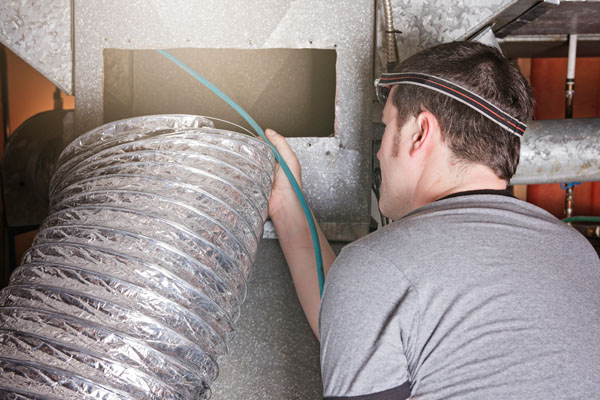
hvac ductworkAs mentioned above, the ducts are responsible for channeling the indoor air where it needs to go. They terminate in every room in the house to keep everyone comfortable. Ductwork inspections should be performed on every so often to make sure that the system is clean and free from pollutants.

Also, if there is a leak in the ductwork system, dirt and other pollutants will enter the system and then be redistributed into the air that you breathe. Therefore, if you have a forced-air HVAC system, be sure to maintain your ductwork regularly. Schedule a ductwork inspection with your HVAC contractor today.

5. HVAC Tune-Ups

Regular heating and cooling maintenance help the HVAC system stay energy efficient and problem-free. Professional HVAC tune-ups can spot issues related to residential indoor air quality and provide immediate resolutions. Furthermore, homeowners will also be able to comply with warranty conditions to keep it valid. This should be conducted at least once a year for both your heating and cooling system.

Learn More About Our Heating & Cooling Services Call To Make An Appointment


Call Point Bay Fuel For All Your Home Comfort Needs

People should be concerned with how to improve air quality at home as it directly affects their health, comfort, and overall wellbeing. Furthermore, with a bit of vigilance and help from professionals, they can enjoy clean air for stress-free living.

Point Bay Fuel offers superior heating and cooling services in the area. We hire the best NATE certified technicians who can provide you with excellent HVAC tune-ups, repairs, installations, and replacements. Each of our techs has the knowledge and experience to service your HVAC system correctly. As always, we prioritize energy efficiency, comfort, indoor air quality, and more.

Do you need to improve your indoor air quality? Be sure to contact Point Bay Fuel for a free consultation. We can find the best solutions for your home that fit within your budget. Furthermore, all of the work that we perform for you is guaranteed to ensure your satisfaction. You can also give us a call today to find out more about what Point Bay Fuel can do for you.

Call Now: (732) 349-5059

Contact us now by calling (732) 349-5059 to speak to one of our home comfort specialists!

The post How To Improve Your Home’s Indoor Air Quality With These Simple Tips appeared first on Point Bay Fuel.

Monday, October 28, 2019

The Benefits Of An HVAC Maintenance Agreement

hvac maintenanceEvery type of equipment requires upkeep for continued use. This is certainly true for heating and cooling systems. Although they are designed to be reliable, they are not immune to wear and tear. Regular HVAC maintenance is necessary if you would like to avoid debilitating breakdowns in the future. It’s worth paying for this small cost as you’ll be able to avoid more expensive repairs down the line. One effective way to accomplish reliable performance from your HVAC system is by signing up for an HVAC maintenance agreement.

Explore Our HVAC Service Agreements Call To Find Out More About Our HVAC Maintenance Agreements

What Is An HVAC Maintenance Agreement?

While you could call a contractor for tune-ups every now and then, this is not the best approach for such a vital service. After all, your heating and cooling system work hard to keep you comfortable during the summer and the winter. Instead, it is more effective to forge a formal long-term maintenance agreement for periodic inspections.

With an HVAC maintenance agreement in place, there are fewer worries and lower costs. Caring for the equipment will become systematic, and you will be able to enjoy the many perks that come with it.

Call Today: (732) 349-5059

Scheduled Reminders For HVAC Maintenance

Summer and winter are the peak seasons for HVAC contractors. They get a mountain of requests for tune-ups, repairs, and replacements from frantic customers. Most people wait until the last minute until they do something about nagging concerns.

Anticipating this phenomenon, contractors will try to attend to customers with an annual HVAC service contract before things get busy. They will provide scheduled reminders for maintenance in the spring and fall so the units can be inspected, cleaned, and optimized ahead of time. This way, when you need to utilize your system throughout the season, you can have the peace of mind, knowing that it will work reliably and efficiently.

Priority HVAC Service

priority HVAC customer serviceWhile periodic maintenance can reduce the probability of breakdowns, HVAC equipment can still fail for a variety of reasons. Getting immediate repair services is ideal as this will minimize disruption. Contractors will be sure to prioritize customers with an existing HVAC yearly contract over those who don’t. They will treat the matter as an emergency and send an experienced technician right away. This is a major advantage during the height of winter or summer as equipment failures become commonplace.

Documentation Of HVAC Service

Your HVAC contractor will keep detailed documentation of their maintenance work. This paperwork is crucial for all heating and cooling units, especially if they are still under warranty. These warranties will often require regular maintenance to stay valid. If you are not doing your part in keeping the systems in good shape, then the manufacturer might refuse to provide service in case a problem arises. Having a consistent maintenance record will also be beneficial if you are planning to sell the house. Use it as proof of the HVAC system’s excellent condition.

Prolonged HVAC Equipment Lifespan

family spending time indoorsHeating and cooling systems can last for a long time. If they undergo regular maintenance, then they can be operational for much longer than one that doesn’t. This should give owners plenty of time to recoup the cost of their investment and save for the eventual replacement units. On the other hand, those who neglect their HVAC equipment are likely to experience frequent issues, premature failures, and HVAC repair calls. They will have to replace their heating and cooling units much earlier than the projected lifespan.

Reduced Home Heating & Cooling Costs

Heaters and air conditioners tend to lose their efficiency as they get older. They have a harder time reaching the desired temperature, and, consequently, they consume more energy to get the job done. This results in increased utility costs every month. Thanks to a maintenance agreement with an HVAC company, you can be sure that your units will continue to run with high performance and efficiency. You can enjoy low heating and cooling costs since energy consumption will remain manageable.

Learn More About Our Available HVAC Service Agreement Plans Call To Find Out More Information

Discount Rates For HVAC Equipment Parts & Labor

The fees paid for maintenance agreements can quickly be recouped through service discounts. HVAC contractors will provide discounted rates if there is ever a need for repairs. This will cover both parts and labor, so the total savings will potentially be a significant sum. Nobody likes to spend on repairs, but it’s nice to know that the HVAC service cost will be more bearable, thanks to the perks of the long-term maintenance contract.


Call Point Bay Fuel For Your Heating & Cooling Needs

The best heating and air conditioning companies understand the need for regular equipment tune-ups. Knowing the importance of HVAC maintenance agreements, they do everything they can to provide reliable and cost-effective coverage for their customers. Consider signing an agreement with a reputable HVAC contractor and take advantage of all the benefits.

Point Bay Fuel offers superior heating and cooling services in the area. We hire the best NATE certified technicians who can provide you with excellent HVAC tune-ups, repairs, installations, and replacements. Each of our techs has the knowledge and experience to service your HVAC system correctly. As always, we prioritize energy efficiency, comfort, indoor air quality, and more.

Looking for an HVAC maintenance agreement that fits your needs? No worries. You are in good hands with Point Bay Fuel. We offer different plans to fit your needs. Click here to learn more about our HVAC maintenance agreements. You can also give us a call today to find out more about what Point Bay Fuel can do for you.

Call Now: (732) 349-5059

Contact us now by calling (732) 349-5059 to speak to one of our home comfort specialists!

The post The Benefits Of An HVAC Maintenance Agreement appeared first on Point Bay Fuel.
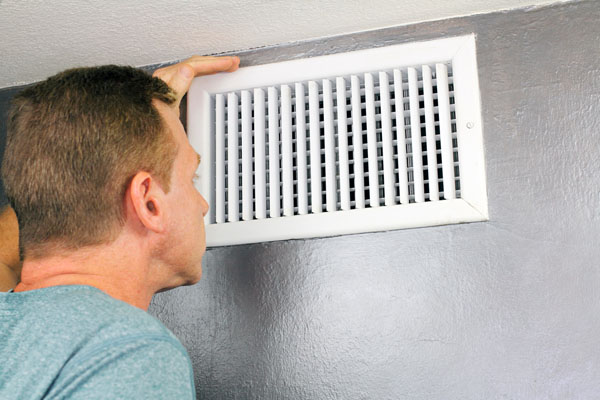
Monday, October 21, 2019

How To Tell If Your Gas Furnace Ignitor Is Not Working

image of a gas igniterAn electronic ignition failure is one of the most common problems you can encounter with a gas furnace. Knowing how to spot when your gas furnace ignitor is not working can go a long way. This way, you will be able to determine if the problem is something simple or if you need the help of a professional HVAC contractor.
How To Tell If Your Gas Furnace Ignitor Is Not Working

In this article, we discuss the best ways to troubleshoot a gas furnace ignitor. Also, we will cover when you should use the help of a professional HVAC technician.

Explore Our Furnace Repair Services Call To Schedule A Free, In-Home Estimate

Types Of Furnace Ignition Systems

In the past, furnaces came with pilot lights that stayed on when the furnace was on. With this type of system, the gas valves to the burners opened up to ignite the combustion gas. If the pilot light failed, the heater wouldn’t turn on.

Modern furnaces come with electronic ignition systems. These are either intermittent pilot systems or hot surface ignition systems.

The intermittent pilot system uses an electric spark to turn the pilot light on. Once the sensor detects that the pilot light is lit, it opens the valve to the burners, and the pilot light ignites the burners. For a hot surface ignition system, electricity flows to the area. Once the ignition system reaches a set temperature, gas flows to the burner and lights up the ignitor.

Both of these systems turn off the pilot light once the furnace is on, making it a more energy-efficient system than older furnaces.

What Is Electronic Ignition Gas Furnace Failure?

furnace repair serviceAn electronic gas furnace ignition failure occurs when the electronic ignition fails and therefore does not ignite the burners.

When this happens, the furnace doesn’t produce any heat. A related problem is delayed ignition. You know you are getting delayed ignition if you hear a loud bang before ignition occurs.

In this case, gases tend to accumulate if you turn on the ignitor multiple times in succession. This could create a potentially serious safety problem and needs to be examined by a furnace expert immediately.

Common Causes For A Gas Furnace Ignitor To Stop Working

Below, we will discuss some common causes for ignitor issues.

Damaged Ignitor

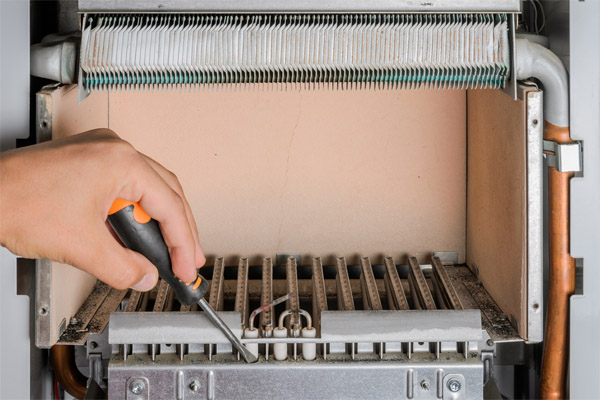
Ignitors can be damaged or become worn down. Old ignitors need to be replaced because they don’t last as long as the furnace itself. Your HVAC technician knows how to tell if the furnace ignitor has worn out and needs a replacement. This usually involves removing the furnace service panel to inspect for damage, removing ignitor wires, and testing the ignitor with a multimeter.

Call Today: (732) 349-5059

Wrong Ignitor For Furnace

A wrong ignitor with an incorrect voltage can lead to ignition failure.

High-Temperature Limit Switch

Furnaces come with a limit switch that prevents temperatures from becoming too hot. Clogged air filters can cause the switch to turn the ignitor off early. Mechanical problems with the limit switch itself can also prevent the ignitor from turning on.

Power Surges

Power surges can damage the electric ignitor, causing it to burn out. This is particularly common for hot surface ignitors that use burning filaments.

Furnace Ignitor Troubleshooting Tips

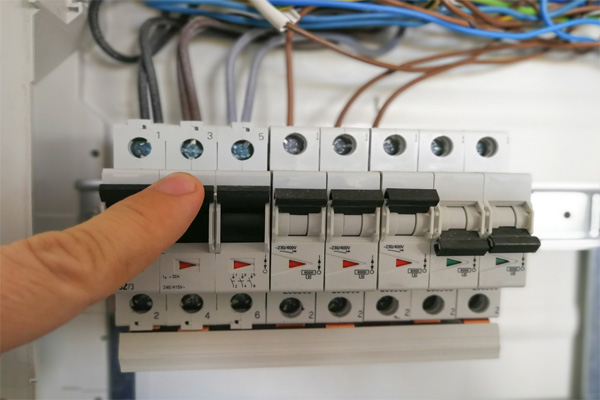
circuit breakerIt pays to know how to do simple troubleshooting, so you have an idea of what you’re dealing with. Common troubleshooting steps you can take include:

Check The Power

The circuit breaker could have a problem and is not delivering power to the unit. Check the power source to see if the furnace is powered up.

Reset The Furnace Ignitor

To reset the ignitor, you need to kill the power to the furnace first. Turn off the circuit that powers the furnace. Next, locate the burner door. Behind that, you will see the ignitor. Turn it to the “Off” position. Wait 5 minutes before turning it back on. Replace the burner door, making sure that the door switch is engaged correctly. Restart the furnace by turning the furnace power from the main electrical panel.

Explore Our Heater Repair Services Call To Make An Appointment

Always Call An HVAC Contractor When You Experience Issues With Your Gas Furnace

It is important that when it comes to any type of heating system malfunction, you should always call in a professional HVAC company. Their training and expertise can accurately determine the cause of the issue. Likewise, they will be able to find the best solutions to remedy your furnace issues. This way, you can have the peace of mind that your system is operating safely and efficiently.

Unless you are a trained HVAC technician, performing any DIY repairs on a gas furnace is always a very dangerous idea. Not only is it dangerous but you could cause further damage to your unit. Many homeowners who attempt to repair their own gas furnace end up regretting their decision. They usually cause more problems, costing more to repair. Save yourself the time, stress, and money by calling an HVAC company right when you notice any gas furnace issues.


Conclusion

Ignitor furnace problems may be more complicated than an old ignitor that just needs a replacement. For one, furnaces with electronic ignitors cannot be lit manually. Other problems like dirty filters still need the expertise and equipment of professionals if you want them replaced or cleaned properly. It is useful, however, to know the possible causes so you have a good idea of what your problem could be. Knowing a few troubleshooting tips can also help you understand what is going on so you can describe the issue to your professional HVAC company.

Call your local professional HVAC technician so you can get a professional solution and have your furnace back in working condition in no time.

Give your local HVAC service provider today.


Call Point Bay Fuel For All Of Your Heating Needs

Point Bay Fuel offers superior heating and cooling services in the area. We hire the best NATE certified technicians who can provide you with excellent HVAC tune-ups, repairs, installations, and replacements. Each of our techs has the knowledge and experience to service your HVAC system correctly.

Need a heating system repair or replacement? No worries. You are in good hands with Point Bay Fuel. We guarantee the most competitive furnace repair and replacement costs in the area. As always, we prioritize energy efficiency, comfort, indoor air quality, and more. To schedule an appointment, give us a call today for a free, in-home estimate.


Call Now: (732) 349-5059

Contact us now by calling (732) 349-5059 to speak to one of our home comfort specialists!

The post How To Tell If Your Gas Furnace Ignitor Is Not Working appeared first on Point Bay Fuel.