Monday, July 26, 2021

Can I Keep My AC On During A Thunderstorm?

image of a lightning storm depciting problems of running ac unit during lightning

Weather can take sudden turns in the summer. One moment it’s hot and humid, the next it’s rain and thunder. If this has been happening in your area, then try to keep your eyes peeled for the next storm. Check the weather forecasts. However, do you wonder “Can I keep my AC on during a thunderstorm?” It’s tempting to keep the air conditioner running but, instead, you should consider turning it off during thunderstorms or whenever there is a risk of a power outage.

Turn the AC off until power is completely restored. Running the air conditioner during a brown-out or below normal power can damage relays and controls on an AC system when the power returns. Also, a nearby lightning strike could do costly damage as well. It is better to wait for things to settle before turning it on again.

Explore Our Air Conditioning Services Call To Schedule A Consultation

Why Is It Important To Turn Off Your Air Conditioner During A Thunderstorm?

In this article, we discuss why it is important to turn off your air conditioning unit during a thunderstorm or power outage. Likewise, we also discuss how to keep cool and how to tell if your AC unit has been struck by lightning.

1. Lightning Strikes

Lightning over field

Lighting may not strike often but the risk is real. Many have already died on the field because of it. This should be enough for people to take the threat seriously. However, taking shelter is just the beginning. You should also protect your home and your appliances from the effects of lightning. The connection between the house and the utility lines is particularly vulnerable. If lightning strikes this, then a massive power surge can course through the entire electrical system in an instant. Anything connected to the sockets can sustain serious damage.

Call Today: (732) 349-5059

2. Air Conditioner Problems

image of an ac unit that wont work after a lightning storm

If the air conditioner is running when lightning strikes, then the result can be disastrous. The unit may no longer function because of the surge. Intense heat can melt the plug and fry the electrical circuits. Some air conditioners are beyond repair. The extent of the damage could make it necessary to replace the whole HVAC system. This extremely costly turn of events is avoidable. Simply shut down the AC in a thunderstorm. The momentary discomfort is a small price to pay in comparison.

People may attempt to get the best of both worlds by using a surge protector. They connect the AC to this unit hoping to prevent damage while enjoying cool air in their rooms. Although this seems like a good idea, the reality is that surge protectors cannot match the ferocity of a lightning strike. Lightning rods are more effective. These divert the lightning’s energy into the ground so that it doesn’t wreak havoc in the electrical system. Just remember that no solution is foolproof. That is why turning off the AC is still the best precaution.

Those who spend most of their days at work may find all of this information worrying. They may not be in the house to switch off the AC when they need to. One solution is to turn the system off before they head out. Another is to install a smart thermostat that can connect to the Internet. This lets users switch off remotely from their phones. Once you have taken care of that, you can focus on your work while waiting for the storm to pass.

Explore Our AC Services Call To Schedule An In-Home Estimate

How to Stay Cool During A Thunderstorm
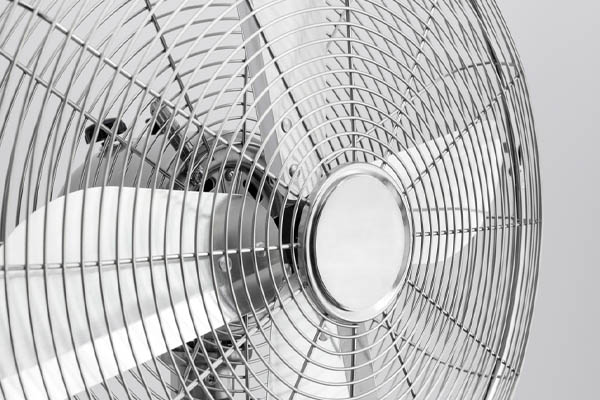
metal electric fan

Those who have gotten used to a cold room might find it difficult to switch off. The discomfort can distract them from their tasks or prevent them from sleeping. It is important to remember that this is only temporary. Thunderstorms typically last for 30 minutes so it won’t be a long wait. In the meantime, outside temperatures will drop as the storm approaches.

Open the windows if possible to let the breeze in. If you have power, fans are also reliable substitutes for the AC. They can increase airflow and provide evaporative cooling. They are more robust and relatively cheap to replace if damaged. However, they can only cool what is right in front of them so correct positioning is vital.

Running the Air Conditioner During Heavy Rain

Many are wondering whether they can use their AC when it is raining hard without lightning insight. Indeed, this is quite safe. Outdoor units can work well in the rain as long as there is a proper drainage system. The situation is completely different if flooding threatens to overwhelm the unit. Homeowners should immediately turn off the power to avoid damage. Let the water drain completely after the storm. Ask an HVAC technician to inspect the unit prior to resumption of regular use. It may require some cleaning and repair to function well.

Call To Make An Appointment: (732) 349-5059

How to Know If Your AC Was Struck By Lightning

AC damage is not always obvious. The unit may look fine on the surface but there are problems lying underneath. Document everything that you saw and experienced. Take photos and videos of the effects of the thunderstorm, if possible.

Try to turn on the thermostat to see whether it responds. If nothing happens, then check the circuit breaker. You might also want to replace the thermostat battery. In case the unit still fails to work, then call an HVAC technician.

If the thermostat works, then the fan and the condenser should come on at the same time. Observe these carefully and reset the circuit breaker if you have to. Ask a technician to check the system if they don’t start in unison.

If the system receives power yet the unit doesn’t start up, then the problem may lie in the outdoor unit. Check the condenser. See if there are nearby breakers and reset them. If either of these trip off, then you will have to get professional help.


Final Words

Prevent damage by turning off your air conditioner during thunderstorms. This can save you money and keep your cooling system problem-free. If you notice system changes after bad weather, then schedule a visit from HVAC technicians. They can diagnose the situation and provide lightning-quick solutions.

Point Bay Fuel Is Always Ready To Tackle Your HVAC Problems

Point-Bay-Fuel-Logo

For first-rate HVAC services in Ocean and Monmouth County, New Jersey call Point Bay Fuel. Our HVAC technicians are among the very best and they can perform superior repairs, tune-ups, replacements, and installations for all forms of HVAC equipment. Their experience ensures that the work will always be done on time and correctly.

When you’re looking for competitive prices on cooling and heating services, give Point Bay Fuel a call. You’ll save even more cash on heating and cooling by taking advantage of our maintenance services for assured efficiency. If you’re ready to have new heating and cooling equipment installed, we can assist you in finding the perfect model for your home, your needs, and your spending budget. Our work is always backed by a solid satisfaction guarantee. Call Point Bay Fuel right now to schedule an appointment for HVAC service.

Call Now: (732) 349-5059 Read Our Testimonials

Contact us now by calling (732) 349-5059 to speak to one of our home comfort specialists!

The post Can I Keep My AC On During A Thunderstorm? appeared first on Point Bay Fuel.

Monday, July 12, 2021

How Does An Air Conditioner Work?

image of question mark depicting how does an air conditioner work

We usually turn to the air conditioner when the interior of our home grows hot and uncomfortable. We press several buttons, wait for a few minutes, and experience the cooler air. This is an amazing piece of HVAC technology that makes it infinitely easier to enjoy the very hottest of days.

Air conditioners prevent developing dangerous, heat-related issues such as heat stroke. To add, this equipment makes it possible to sleep well at night. Early civilizations would probably consider modern AC as being magical given that it allows us to control our local environment.

The truth of the matter is that it’s really just the smart application of scientific understandings. If you’ve been asking the question, “How does an air conditioner work?”, then this article will give you the answers you need.

Explore Our Air Conditioning Services Call To Schedule A Consultation

How Your AC Cools Your Home Down

This article talks about how an air conditioner is able to keep the home at a comfortable temperature even on the hottest of summer days.

Air Conditioner Components

Before delving into the process of how an air conditioner cools your home, let’s take a little time to familiarize you with an air conditioner’s individual parts. We’ll keep it as simple as possible by focusing on the four primary components of this equipment and the jobs that they do within the cooling cycle.

1. Air Conditioner Coolant or Refrigerant

image of air conditioner refrigerant

The lifeblood of any air conditioner is its refrigerant or coolant. This chemical carries heat away from the home into the outdoor surroundings. The cooling cycle describes the AC refrigerant’s journey across various components as well as the changes it undergoes throughout this journey.

2. Evaporator Coils

The evaporator coils are the primary component of the inside unit that interacts with the building interior and absorbs heat. Evaporator coils must be kept clean to ensure optimal performance. Air filters should also be replaced on a regular basis.

Call Today: (732) 349-5059

3. Condenser Coils

These are the primary component of the air conditioner’s outside unit. They are responsible for releasing heat. Just like evaporator coils, they are also vulnerable to build-ups of debris. Therefore, they must be cleaned from time to time. Make sure to schedule an AC tune-up for your home ahead of summer.

4. Air Conditioner Compressor

This pump moves the refrigerant from the evaporator coils to the system’s condenser coils. It is basically the heart of the air conditioning system.

An Air Conditioner’s Basic Cooling Process

1. The Thermostat Initiates Cooling

image of a programmable thermostat

Let’s begin at the very start of the cooling process. You’ve just walked into your home after a long, hard day on the job. You turned down the air conditioner before leaving for the office so that no energy was wasted while you were gone. Now your home is hot and stuffy so you walk over to the thermostat and set the ideal temperature setting.

The ambient temperature in your home will be verified by sensors. If this temperature exceeds the temperature that you’ve set at the thermostat, a signal will be sent to initiate the cooling cycle. The system’s compressor will start up and begin moving refrigerant along its intended path. Fans will also start up.

Explore Our AC Services Call To Schedule An In-Home Estimate

2. Heat Is Extracted From The Inside Air By The Coolant

The first place that the refrigerant stops is the evaporator coils on the indoor component. At this time, the coolant will be cold. As it starts interacting with the air inside of your home, it will begin collecting and absorbing the heat, much like a sponge. This will cause the air to become cooler while the refrigerant heats up.

If there’s excess humidity indoors, then the vapor may become water due to lower temperatures. As such, air conditioners can also reduce humidity in your home. There’s a standby tray that collects the resulting liquid. It routes it outside so that there’s no risk of leaks or floor damage.

3. Cold Air Gets Blown Back Into The House By AC Fans

image of an air conditioner fan and condenser

Fans blow cool air around your system’s evaporator coils and back into your living environment. With central AC, cold air is forced through the ductwork so that every room in the home is cooled.

In a multi-split system or with a window AC, fans will only blow air into the specific zone or room in which the air conditioner is installed. Multi-split air conditioners make it possible to cool specific zones down rather than air conditioning the entire building. You can turn off an individual unit in a zone or room as well, if your goal is to lower your carbon footprint.

4. Heat From The Refrigerant Is Transferred Outside

It’s not possible for refrigerant to continue absorbing heat forever. Hot refrigerant has to go to the outside unit so that heat collected from the evaporator coils can be released via the condenser coils. As long as the coolant is hotter than the air outside, it can release heat until the balance is achieved.

Call To Make An Appointment: (732) 349-5059

5. Hot Air Is Blown Outdoors By The Fans

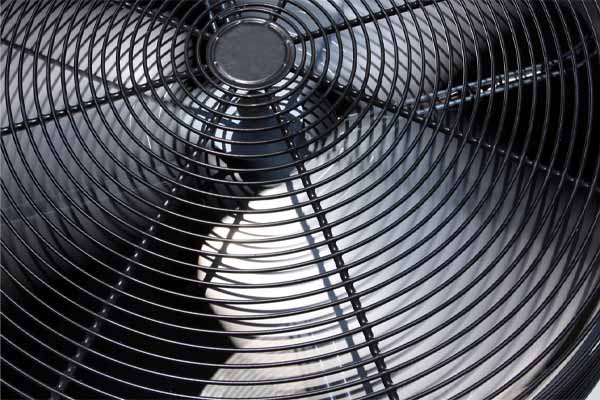
To bring the coolant back down to a cold temperature, air is blown over the condenser coils by very powerful fans. This makes it possible for heat to be transferred into the outdoor environment at an expedited rate. The area near the outside unit will grow much hotter and you can feel as much by simply placing your hand near the top portion of this component. Given that it’s situated outside, the hot air will be blown away by the wind. Your home can continuously release hot air outside thanks to your air conditioner.

6. Cooled Refrigerant Travels Back To The Inside Unit

After the refrigerant has been cooled down, it will get pumped back to the inside unit by the compressor. This way, the entire cycle can be repeated. This process will carry on until the ambient temperature in your home matches your thermostat’s setting. Once this happens, the system will stop for a short rest. If indoor temperatures go up again while the air conditioner is on, the cooling process will be initiated once more.


Conclusion

Contrary to popular belief, air conditioners don’t actually produce cold air. Instead, they extract warm air from the home little by little until occupants are comfortable. It’s an ingenious setup that’s been quite effective for decades. New AC models are pushing the boundaries of energy efficiency so that consumers can enjoy both comfort and less energy use.

Point Bay Fuel Is Always Ready To Tackle Your HVAC Problems

Point-Bay-Fuel-Logo

For first-rate HVAC services in Ocean and Monmouth County, New Jersey call Point Bay Fuel. Our HVAC technicians are among the very best and they can perform superior repairs, tune-ups, replacements, and installations for all forms of HVAC equipment. Their experience ensures that the work will always be done on time and correctly.

When you’re looking for competitive prices on cooling and heating services, give Point Bay Fuel a call. You’ll save even more cash on heating and cooling by taking advantage of our maintenance services for assured efficiency. If you’re ready to have new heating and cooling equipment installed, we can assist you in finding the perfect model for your home, your needs, and your spending budget. Our work is always backed by a solid satisfaction guarantee. Call Point Bay Fuel right now to schedule an appointment for HVAC service.

Call Now: (732) 349-5059 Read Our Testimonials

Contact us now by calling (732) 349-5059 to speak to one of our home comfort specialists!

The post How Does An Air Conditioner Work? appeared first on Point Bay Fuel.
Can You Replace Just The Outside AC Unit?

image of an air conditioner installation

The U.S. Department of Energy suggests that you plan an HVAC system replacement every 10 to 15 years. However, your system might last more than 15 years, depending on your HVAC unit’s quality and your tune-up schedule. Therefore, ensure that your air conditioner or heater receives professional HVAC check-ups and maintenance at least annually to help extend its lifespan. Remember to do this before the cooling or heating season begins.

When a homeowner faces an air conditioning replacement, many usually ask “Can you replace just the outside AC unit?”. Naturally, AC replacements are costly, and saving money always sounds like a great idea. However, taking this approach usually ends up costing more than replacing both the indoor and outdoor units together. Read on to find all you need to know about this topic.

Explore Our HVAC Services Call To Schedule An In-Home Estimate

Can You Replace Just The Outside Air Conditioning Unit?

The answer is no. HVAC experts recommend that when you replace the outside air conditioning unit, you should also replace the indoor unit. It is still entirely up to you if you will follow this. However, keep in mind that not replacing both can cause problems like frequent failures, reduced efficiency, and a spike in your cooling costs. Here are some of the reasons you should replace both at the same time:

Call Today: (732) 349-5059

Indoor And Outdoor Air Conditioner Coils Need To Match

The Air-Conditioning, Heating, and Refrigeration Institute (AHRI) states that outdoor air conditioning units work with specific indoor air handlers. Therefore, the outdoor unit should match the indoor unit to ensure optimal compatibility and efficiency. Replacing only the outside unit will mean you’ll have a mismatched system that provides insufficient heating and cooling. They also tend to be inefficient, which leads to issues like early system failure, reduced comfort, and high utility costs.

SEER Ratings

image of efficiency vs cost depicting air conditioner with high seer rating

The Seasonal Energy Efficiency Ratio, or SEER, refers to an air conditioner’s cooling output over a cooling season compared to its annual energy consumption. An HVAC system’s SEER rating determines how efficient it is. The US Energy Information Administration states that a SEER rating of 13 is the minimum in the United States. Outdoor and indoor air conditioning units should have the same SEER rating to achieve maximum efficiency. If you do not replace them simultaneously, there is a high chance that the indoor and outdoor units will have different SEER ratings. Therefore, you will have a mismatched system and the problems attached to it.

Call To Schedule A Consultation: (732) 349-5059

The Phaseout Of R-22

air conditioner refrigerant

Many homeowners want to have more sustainable homes. Therefore, HVAC manufacturers are switching to eco-friendly designs and materials. Old HVAC systems use the harmful R-22 refrigerant. According to the US Environmental Protection Agency, this coolant causes the depletion of the ozone layer. As a result, federal energy laws require that HVAC manufacturers use R-410A instead because it is safer. If you still have a model that uses R-22, consider replacing it to have improved efficiency and safety. Therefore, if you are replacing the outdoor unit with a new model, the old indoor unit will be incompatible.

Air Conditioner Manufacturer Warranty

New HVAC systems have a manufacturer’s or factory warranty. It will be helpful if your system experiences breakdowns from defective factory-installed components. However, if you have mismatched indoor and outdoor units, the warranty might become void, and your warranty may not cover any necessary repairs.

Learn More About Our Air Conditioner Installation Services Call To Schedule A Consultation

Premature Cooling System Failure & HVAC Repairs

An HVAC system with matching outdoor and indoor units that receive regular maintenance will have a lifespan of 10 years or more. A mismatched HVAC system will strain to operate as expected because of its reduced efficiency. This leads to faster wear and tear that significantly shortens your system’s lifespan. Replacing one unit will cause the system to be inefficient. The unit will end up needing frequent HVAC repairs or experience early system failure. Prevent this from happening by replacing the outdoor and indoor AC units at the same time.

Pros Of Replacing Indoor And Outdoor Air Conditioning Units

benefits of replacing both air conditioner units

Some of the benefits that come with an indoor and outdoor air conditioner replacement include:

  • Save Money On Cooling Costs: A mismatched system will not work efficiently even though it has a high SEER rating. It will likely overwork to ensure that the home’s cooling needs are met. As a result, the system will consume a lot of energy, and there will be a spike in your energy bills. Therefore, a system that is matched will work efficiently and reduce your cooling costs.
  • Enhanced Home Comfort: Having a well-matched air conditioner means it will be highly efficient. It can cool your home immediately, and you will receive better home comfort.
  • HVAC Warranty: The manufacturer’s warranty will be void if the indoor unit does not match the outdoor one. If you do not want to void the warranty, replace both units at the same time.
Click Here To Call & Schedule A Consultation

Tips To Maintain Your Air Conditioner

Prevent early air conditioner failure and replacement by using these tips to ensure system maintenance:

  • Clean or replace the air filter as needed.
  • Ensure that the fan is operating as it should.
  • Consider installing a programmable thermostat.
  • Seek professional assistance to inspect and unclog the condensate drain if needed.
  • Make sure that the air conditioning system matches.
  • Adjust the temperature of your HVAC system when not in use.
  • Check your HVAC system regularly.
  • Schedule yearly air conditioner maintenance before summer begins.

Doing these will help increase your HVAC unit’s lifespan, improve its efficiency, and lower your cooling bills. Contact a professional HVAC technician to help you with all your HVAC repair and maintenance needs.

Call To Make An Appointment: (732) 349-5059


Conclusion

Some of the reasons you should replace outdoor and indoor air conditioner units at the same time are listed above. Remember that units that have different manufacturers do not match even though they might have the same SEER rating. Hire an expert HVAC contractor to help you purchase a matching HVAC system and replace your indoor and outdoor units.

Call Point Bay Fuel For All Of Your HVAC Requirements

Point-Bay-Fuel-Logo
Point Bay Fuel provides high-quality heating and cooling services in Ocean and Monmouth County, New Jersey. We have highly skilled and professionally certified technicians for all your excellent HVAC needs, including boiler tune-ups, mini-split repairs, furnace installations, and air conditioner replacements. Rest assured, all our friendly techs are trained, experienced, and knowledgeable to service any HVAC system accurately.

Our company offers highly affordable and competitive HVAC service prices in the area. We can improve your home’s energy efficiency, indoor air quality, and comfort with our maintenance services. When you need to replace or repair your HVAC system, we can recommend the best one that fits your needs and budget. Your satisfaction is important to us, so all our work comes with a guarantee. Book a service appointment with Point Bay Fuel by calling us today.

Call Now: (732) 349-5059 Read Our Testimonials

Contact us now by calling (732) 349-5059 to speak to one of our home comfort specialists!

The post Can You Replace Just The Outside AC Unit? appeared first on Point Bay Fuel.

Monday, June 28, 2021

Modulating Air Conditioner: Effective Temperature & Humidity Control

image of a modulating air conditioner installation

Air conditioners are fast-evolving machines as advances in HVAC technology have made it possible for them to be more energy-efficient than before. Standard units are quickly being replaced by variable-speed or modulating air conditioner models. This AC offers stable performance and excellent energy consumption, among others. They are built with features like effective temperature control and humidity reduction for better home comfort.

Read on to find out more about this type of air conditioning system.

Explore Our HVAC Services Call To Schedule An In-Home Estimate

Standard Units vs. Modulating Air Conditioners

Modulating technology is best understood and appreciated when compared to standard systems. Traditional or standard air conditioners have fixed-speed compressors. This means that it operates at 100& capacity when you switch on your air conditioner and completely shuts down when it turns off.

It might not seem like an issue, but a standard air conditioner consumes a lot of power because of this. Each cycle starts from scratch, so it needs plenty of energy, resulting in high utility bills. Moreover, cooling temperatures aren’t flexible because of their fixed-speed operation. The airflow is typically extreme and intense. You may also experience cold or hot spots around your home.

Call Today: (732) 349-5059

How Is A Modulating Air Conditioner Different?

family feeling comfortable due to their new variable-speed air conditioner

On the other hand, a modulating unit does not run at 100% capacity at all times. It can be modified to operate somewhere between 40% and120%. This way, there are even and less extreme temperatures around your home. The balanced temperatures throughout will allow improved comfort and increased airflow quality.

Modulating air conditioners have variable speed compressors. It can modify or adjust the speed to ensure your various heating and cooling needs are met. When the system’s output is controlled, the amount of power it uses is also controlled.

Call To Schedule A Consultation: (732) 349-5059

Fixed vs. Flexible Temperature Control

We often hear the phrase “blast the AC” because this is how standard systems work. Switching it on means that it blows conditioned air at full speed. The temperature can only be either hot or cold. Aside from the limited temperature settings, it typically has a too-strong airflow, but some areas do not receive adequate heating or cooling. This results in cold or hot spots that make your home uncomfortable.

A modulating HVAC system solves these issues with adjustable settings. It offers variable speed so you can adjust the airflow according to your home’s needs and specifications. As a result, the

AC’s output is less intense, and your home does not experience extreme temperatures nor hot and cold spots. This type of air conditioner also allows consistent and steady airflow around your home. It is customizable to your desired temperature so you can achieve the cooling your family wants.

Keep in mind that airflow quality can be affected by other factors as well. A modulating air conditioner will have optimal functionality if it is installed as per your home’s specifications. Consult a professional HVAC technician to learn more about this.

High vs. Low Humidity

image of homeowner feeling hot due to inefficient air conditioner

Standard air conditioning systems cycle on and off frequently. During each cycle, the unit might not have enough time to dehumidify the air. Therefore, you will have higher humidity levels in your home. It then comes to no surprise that your traditional unit can leave your home feeling uncomfortable and sticky. Moreover, a high amount of moisture in the air encourages the growth of mold and other pathogens. These can wreak havoc on your home and negatively affect your health and well-being.

On the other hand, modulating or variable speed ACs are built to stop the growth of mold. It has fewer cycles so that it can dehumidify your home more effectively. You can even set the temperature higher without worrying about mold or feeling clammy inside your home. Since modulating systems run longer, they can also better filter indoor air pollutants. This means that you will have healthier indoor air quality at home.

Most modulating units do not let the humidity level in your home get past 50%. HVAC professionals recommend this. However, a standard air conditioner allows humidity to exceed 60%, encouraging mold to breed in your home. Therefore, these units should be eventually replaced. Proper and regular maintenance can avoid this problem entirely.
Modulating air conditioning units are not made equal. There is no guarantee that one model will reduce the humidity automatically. It is recommended that you consult an HVAC specialist to make informed decisions about what will best work for your home’s needs and specifications.

Learn More About Our Air Conditioner Installation Services Call To Schedule A Consultation

Set vs. Smart Energy Consumption

image of energy efficiency and air conditioners

A standard air conditioner means that it is likely consuming high amounts of power. This might be especially true during the hot summer months. As a result, homeowners often look for other means to cut energy costs. This includes adding extra insulation or finding ways to boost airflow inside their homes. However, if you have traditional air conditioners, there is no escaping high energy costs except to use your cooling system less, which is not a cost-effective option.

Fortunately, modulating air conditioning systems were designed to be highly efficient. Its variable speed feature means it can operate with varying outputs. If it is functioning at 40% capacity, it will not use the same amount of energy if it were running at 100%. It allows you to control how much power it uses as well as keep it turned on at all times without consuming a lot of energy.

Click Here To Call & Schedule A Consultation

Maintenance Costs vs. Short Payback

Modulating air conditioners is a worthy investment that allows you to save on energy costs. It will also eventually pay dividends, including the installation and maintenance. These units also have a relatively short payback time.

With standard units, you can cut on its maintenance costs, but it will still cost you more as time passes. Fixed speed models are under more pressure and strain than variable speed units. A consistently strained unit likely needs more HVAC repairs and replacements.


Conclusion

Energy efficiency is a feature that most homeowners look for. Therefore, transitioning from standard units to modulating air conditioners is inevitable. Inverter technology innovations offer more cost-effective heating and cooling. Additionally, variable-speed designs have effective temperature and humidity controls, so you have an eco-friendlier, smarter, and more comfortable home.

Call Point Bay Fuel For All Of Your HVAC Requirements

Point-Bay-Fuel-Logo

Point Bay Fuel provides high-quality heating and cooling services in Ocean and Monmouth County, New Jersey. Rest assured, our professionally certified technicians can conduct all your HVAC services needs, such as air conditioning repairs, furnace maintenance, boiler installations, and more. All our friendly techs have years of experience and extensive knowledge to correctly service any HVAC make and model.

Do not hesitate to call Point Bay Fuel for the most competitive HVAC service rates in the area. We can improve your comfort, enhance your energy efficiency, and reduce your energy costs with our tune-up services. We can also recommend the best repair or replacement solutions while staying within your budget. Schedule a service appointment with Point Bay Fuel today. We offer in-home estimates.

Call Now: (732) 349-5059 Read Our Testimonials

Contact us now by calling (732) 349-5059 to speak to one of our home comfort specialists!

The post Modulating Air Conditioner: Effective Temperature & Humidity Control appeared first on Point Bay Fuel.

Monday, June 21, 2021

What Does An Air Conditioner’s SEER Rating Actually Mean?

image of energy efficiency and hvac systemIf you have been shopping for an air conditioning system lately, you will come across the term “SEER rating“. The SEER rating is an important factor to consider to ensure that you get an efficient HVAC system. A good SEER rating translates into less energy consumption without sacrificing indoor comfort. The U.S. EIA (Energy Information Administration) suggests that residential HVAC systems should carry at least a 14 SEER rating. There are, however, different SEER requirements per state. So how do you ensure that your new air conditioning system is energy efficient?

Explore Our Air Conditioning Services Call To Schedule A Consultation

What Is A SEER Rating?

SEER is short for Seasonal Energy Efficiency Ratio. This rating measures the cooling output of air conditioning systems based on their total consumption of energy within a 12-month period. The rating can range from 13-21, with the higher figure indicating higher efficiency.

Why Is An Air Conditioner SEER Rating Important?

cutting home heating and cooling costs

Knowing the SEER rating of an AC  system is extremely helpful to help you choose the right system in terms of function, features, and energy consumption. Here are the benefits you can expect:

  • Lower Cooling Costs: Air conditioning systems with higher SEER ratings consume less energy but are capable of cooling your home at the desired temperatures. This means that you get the comfort you want for a lower price.
  • Better Comfort: Professional HVAC contractors say that the basic air conditioner must be capable of lowering the temperature of a four-bedroom home by 10° F within 3 hours. Of course, there are factors that come into play, such as the age and size of the AC unit. However, given the correct SEER rating, you should be able to enjoy the best comfort possible at home.
  • Eco-Friendly Cooling: Because the AC unit consumes less energy, it does not require as much from the grid and emits a lower level of greenhouse gases. As such, an HVAC system with a higher SEER rating is more environment-friendly.
Call Today: (732) 349-5059

Understanding Air Conditioner SEER Rating

Generally, an HVAC system that has a SEER rating of at least 15 should be good. However, there are factors that you should also consider, including your preferred rate of energy consumption, your cooling needs, and the size of your house. Keep in mind, though, that high SEER ratings translate to better efficiency. To ensure that your HVAC system is a good fit for your home, ask a professional HVAC technician to help “size” the system based on the total area and design of your home. Although an air conditioner with a SEER rating of 14 can efficiently cool a home with two bedrooms, it will not work as well for a home with five bedrooms. You will need a system that comes with a better SEER rating.

Calculating The SEER Rating

image of hands and calculator calculating ac seer efficiency rating

There is a way to calculate the cooling system’s ideal SEER rating. To get the cooling output, you will have to multiply the BTU (British Thermal Unit) per hour and multiply it by the number of hours the cooling unit is used on a daily basis. Take the figure and multiply it by the number of days that the AC unit works in a given year. For example:

5,000 BTU/h X 12 hours of cooling daily X 180 days a year:
You will have 10,800,000 BTUs a year

Let’s say you have an annual total energy consumption of 700,000Wh. Use this figure to divide 10,800,000 BTUs a year and you have a 15.4 or 15 SEER rating.

Explore Our AC Services Call To Schedule An In-Home Estimate

How Do I Look For The SEER Rating On My AC?

All HVAC manufacturers are required by the U.S. Dept. of Energy to clearly indicate the cooling system’s SEER rating on the unit itself. If their models qualify for an Energy Star label, this label must be indicated on the unit as well. The SEER rating is usually found on a black and yellow sticker, which is on either side of the outdoor or condenser unit. The SEER rating figure should be clearly indicated on that sticker.

You could also look for the SEER rating on the air handler. If you cannot find the rating, go online and enter the unit’s serial number, model number, and manufacturer on a search engine. Alternatively, you could also get in touch with the manufacturer.

Of course, you can always call your HVAC contractor to help you out. They will be able to tell you the features of your air conditioning system and find the SEER rating on the unit just in case it was not clearly stated by the manufacturer.

What Happens If A Cooling System Is Mismatch?

man cooling himself with a fan due to mismatched air conditioner

If you want your air conditioner to perform optimally, the air handler should be a match to the condenser unit. This is the reason why manufacturers produce air handlers that are a match only with specific condensers. When HVAC contractors install air handlers, they must be a match to the condensers. Unfortunately, there are times when a mismatch occurs, usually at the hands of an inexperienced HVAC contractor.

Air Conditioner Size

Another issue you need to watch out for is the air conditioner size. If it is not appropriate for your home, this will also become a mismatch.

  • Oversized AC Unit: If the AC is too large for your room or home, it will short-cycle. Short cycling is a problem in that the AC unit will fail at filtering air efficiently and removing humidity. As a result, you get overall discomfort and bad indoor air quality. Short cycling also means that your AC system will consume more energy. Keep in mind that energy is needed for the system to turn on and off.
  • Undersized AC Unit: If, on the other hand, the AC system is undersized, it will have to work doubly hard to achieve the desired temperature and comfort level. As a result, the system will not only consume more energy but will also be more susceptible to premature wear and tear. In turn, this will lead to more frequent repairs and replacements.
  • Mismatched SEER Ratings: It also will not matter if your AC system comes with a high SEER rating if it is mismatched. This is why the technician who installs your AC system must be knowledgeable enough to understand that a good match is critical to the proper functioning of the unit.
Call To Make An Appointment: (732) 349-5059

Factors You Need to Consider When Buying an AC System

There are also other important factors you need to keep in mind when choosing your AC system other than its SEER Rating. These include:

  • Air Conditioner Size: The air conditioner size must match the size/cooling area of your home to avoid oversizing or undersizing.
  • Price Of Air Conditioner: The cost of the unit must meet your budget.
  • Air Conditioner Noise: Although low-noise air conditioning units are available, systems that make too much noise usually do so because they overwork, which means they are not a good match.
  • AC System Warranty: The air conditioner warranty covers any repairs or replacements within a specified period.


Conclusion

SEER ratings are a very useful point of reference in choosing a cooling system for your home. Combine this energy efficiency rating with an ENERGY STAR certification and you will have a better idea of what to look for to reduce your energy costs and be more environmentally friendly. If you need more guidance, get in touch with your local HVAC contractor to assist you in finding the perfect HVAC for your needs.

Call Point Bay Fuel For Superior Heating & Cooling Solutions

Point-Bay-Fuel-Logo
Point Bay Fuel is the premier service provider for heating and cooling in Monmouth and Ocean Counties, New Jersey. All of our technicians hold a certification, so we can assure you that we can offer only the best services, from installations and tune-ups to repairs and replacements. We also offer the most competitive services that put your comfort, budget, and cooling needs first. If you want to know more about how you can enjoy more efficient and eco-friendly cooling, give Point Bay Fuel a call today.

Call Now: (732) 349-5059 Read Our Testimonials

Contact us now by calling (732) 349-5059 to speak to one of our home comfort specialists!

The post What Does An Air Conditioner’s SEER Rating Actually Mean? appeared first on Point Bay Fuel.
Monday, June 14, 2021

The Evolution Of HVAC Technology: Recent Innovations That Are Making Life Easier

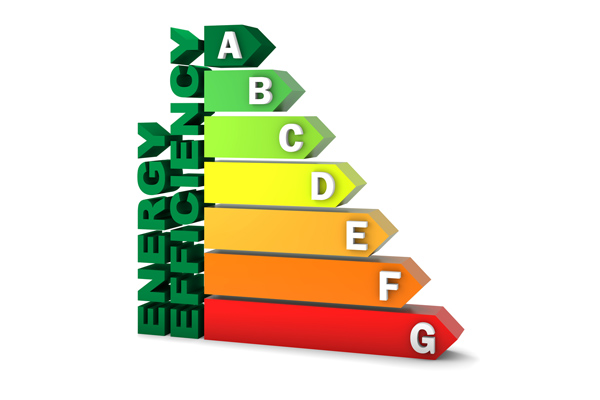
image of efficiency vs cost depicting hvac efficiency

We’ve been able to solve nearly every problem we’ve encountered with human ingenuity. We’re able to survive in just about any environment, from woodlands to deserts, and more. Our ingenuity is still serving us today, making life better and more enjoyable for everyone with increasing advances in technology. This, of course, includes HVAC technology.

The heating and cooling industry has definitely seen its own share of innovation throughout the years. While our ancestors had to chop wood to heat their homes, we simply need to adjust our thermostats to create the comfort level of our choice. For example, air conditioning makes it unnecessary to suffer through excessively warm temperatures. In just the last decade, HVAC technology has seen several remarkable changes that have brought about significant improvements in both energy consumption and human comfort.

Explore Our HVAC Services Call To Schedule An In-Home Estimate

Advances In HVAC Technology

In this article, we discuss some of the technological advances that the HVAC industry has seen.

1. Increasingly Efficient HVAC Equipment

Years ago, given their incredibly high costs, HVAC systems were only present in a very limited number of households. In addition to having high upfront costs, the costs of using HVAC systems for any significant period of time were also quite high. Older HVAC systems were also quite large and required a lot of space for installation.

There’s been a vast amount of improvements due to the increased efficiency of modern HVAC technologies. Air conditioners use far less energy to cool spaces down. Those who own air conditioners enjoy lower energy bills and significant savings over time. Moreover, furnaces are using a lot less fuel than they once did to keep homes warm in the winter. With proper HVAC maintenance, it is possible to enjoy a high level of comfort without paying a fortune. Furthermore, with increased efficiency, the lower environmental effects of this equipment are highly attractive to consumers who are environmentally conscious.

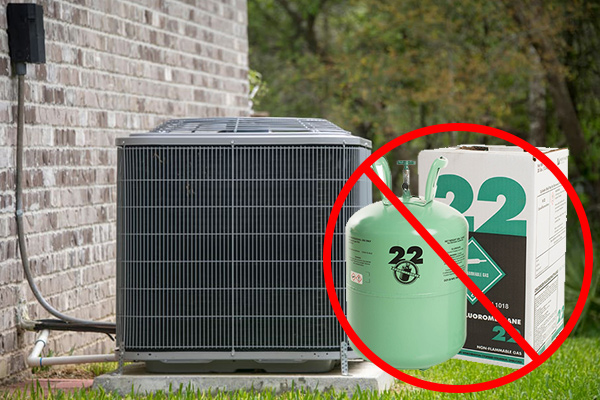
2. R-22 Refrigerant Is No Longer Manufactured

r22-bannedRefrigerant is an integral part of the cooling system’s functioning. However, older refrigerants had a very detrimental impact on the earth’s ozone layer. This layer is responsible for absorbing a very large portion of UV radiation from the sun. As it becomes depleted, exposure is increased for humans and health problems such as cataracts and skin cancer become more prevalent. Increased exposure to UV radiation can also be harmful to marine life, plant life, and many different materials.

HVAC manufacturers were encouraged to move towards using new refrigerant formulas with a lesser environmental impact. R-22 was banned in 2010 from being used in newly manufactured HVAC equipment. The end of the phaseout occurred in 2020, where the manufacturing of R-22 became illegal. Consequently, older R-22 systems will have to pay astronomical R-22 refrigerant prices should a coolant leak occur. Some homeowners have opted to have their systems retrofitted or replaced with a cooling system that uses R-410a or other more eco-friendly coolants like it.

Call Today: (732) 349-5059

3. The Advent Of Smart HVAC Systems And Equipment

All tech companies have been pushing for the development of smart homes and introducing their own productions and other innovations for this movement. It is now possible to connect a number of appliances to the Internet and then access them via mobile phone. This connectivity allows homeowners to view historical data and check the current status of their appliances. Many can even be controlled remotely as desired. For instance, if you forget to turn your air conditioner down when leaving, this can be accomplished via your phone while you are still at the office. This is a great way to avoid energy waste. It is even possible to turn cooling systems on several minutes before arriving home so that the indoor environment is at the ideal temperature once residents walk in.

4. Ductless HVAC Systems

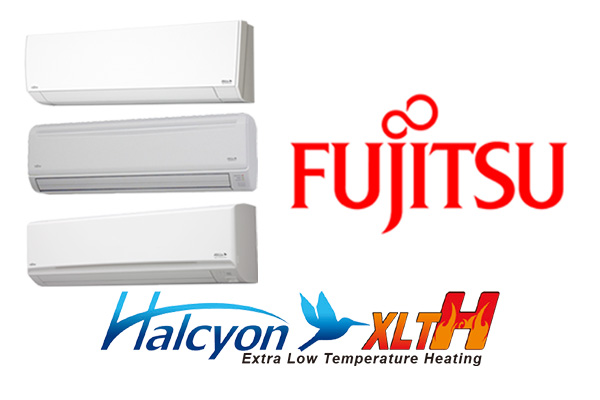
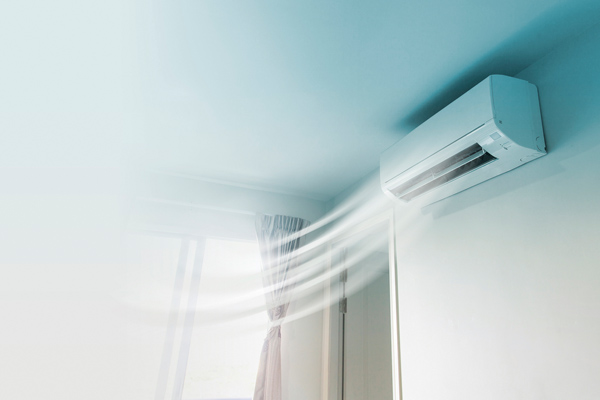
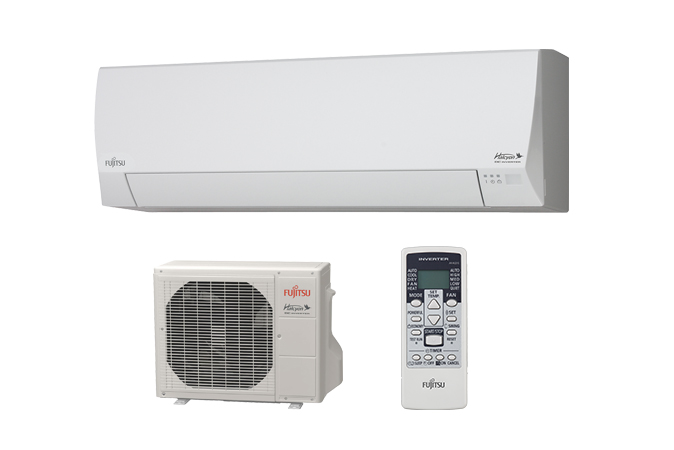
fujitsu wall-mounted ductless indoor air handlerMany homes have central cooling system connected to ductwork that distributes the cooled air throughout various rooms. There are cases, however, in which reliance upon ductwork is impractical. For instance, if you have moved into a home that was built long before central air conditioning was mainstream, this building may not have existing ducts. Rather than paying for a major renovation, you might find that a ductless cooling system is your best choice. These systems are sometimes referred to as mini-splits, ductless mini-splits, or ductless heat pumps because they have both an outdoor and indoor unit, with each capable of cooling one room or zone. A ductless heat pump can supply heat during the colder months of the year. These systems offer better noise reduction, temperature control, and overall energy efficiency.

Explore Fujitsu Ductless Systems

5. HVAC Zoning

One popular strategy is to use HVAC zoning systems in large-sized homes. This is an excellent solution for a standard HVAC system that’s incapable of supplying adequate cooling and heating throughout the entire building. One side of the home might get more sun than the other which might be heavily shaded by trees. With these systems, each zone can have a separate thermostat for effective monitoring and control. Air ducts can also have dampers installed. These modifications help residents feel comfortable all throughout the day. They can also provide significant financial and energy savings.

6. Ventilation That’s Sensor-Driven

image of paper cut out of family in hands depicting home comfort

Although ventilation frequently takes a backseat to cooling and heating technologies, it is equally important when it comes to determining the comfort provided by an interior environment. Smart ventilation technologies were introduced, making it possible for homeowners to monitor and control the airflow at each and every vent. This is an effective way to both find obstructions and remove them. They also make it possible for people to turn vents off that are feeding air into rooms that are unoccupied to prevent energy waste. Sensor data can additionally be used to automate various tasks.

Learn More About Our Heating & Cooling Services Call To Schedule A Consultation

7. Air Conditioning Systems With Variable-Speed Compressors

New AC systems include variable-speed compressors. With this upgrade, these systems are able to operate quietly, at higher levels of efficiency, and with both better humidity management and better temperature control. It’s able to easily adapt to changes within environmental conditions. When the load is light, variable speed compressors are capable of slowing down. With heavier loads, they’re able to speed themselves up. Moreover, there isn’t any starting surge and thus, the quality of the power supply is enhanced. These components tend to last longer while providing optimum comfort. With higher efficiency, they also have lower operating costs.


Conclusion

The technological advances within the HVAC industry are impressive. Every year comes with new innovations. Each innovation is intended to solve a common issue and to enhance our lives. If you are still using an HVAC system that’s over a decade old, you may want to have this replaced so that you can start experiencing some of the latest advances in HVAC technology. This is all the more true if your system is experiencing frequent breakdowns. A total system replacement can save you cash by lowering your monthly energy bills and eliminating many costly repairs.

Contact Point Bay Fuel For Fast, Affordable HVAC Service

Point-Bay-Fuel-Logo

Residents in Ocean and Monmouth County, New Jersey can always turn to Point Bay Fuel for first-rate heating and cooling services. Our highly trained technicians can handle all of your repair needs. They can also take care of any HVAC tune-ups, installations, or total system replacements you need. Their knowledge and experience allow them to service HVAC systems correctly every time.

Get the most competitive prices on HVAC services from Point Bay Fuel, guaranteed. Enjoy more comfort with our maintenance services even as your system becomes more efficient, and your energy bills drop. If you want to replace your current system with one that’s more technologically advanced, we can help you find it. All of our work is backed by a rock-solid satisfaction guarantee. Request an in-home estimate or set up your first service appointment by calling us today.

Call Now: (732) 349-5059 Read Our Testimonials

Contact us now by calling (732) 349-5059 to speak to one of our home comfort specialists!

The post The Evolution Of HVAC Technology: Recent Innovations That Are Making Life Easier appeared first on Point Bay Fuel.

Monday, June 7, 2021

Air Conditioning Options For Homes That Don’t Have A Ductwork System

image of a ductless air conditioner

Many homes do not have air conditioners in them. Typically, they were constructed before air conditioning became an absolute necessity. This means that many of these homes do not have an HVAC ductwork set in place in order to make an AC installation an easy option.

Those who do not have a central air conditioning system question what air conditioning options they have available to them. It is no wonder, considering summers are more humid and hot than they were even ten years ago. In the past, going without air conditioning was manageable. Now, it is not an option. Therefore, what air conditioning options are available for homes without ductwork?

Explore Our HVAC Services Call To Schedule A Free, In-Home Estimate

Air Conditioning Options For Homes That Don’t Have A Ductwork System

In this article, we will explore these AC options so that homeowners can get an idea of what to expect. We will dicuss window air conditioners, central forced-air cooling systems, and ductless air conditioners.

Window Air Conditioning Units

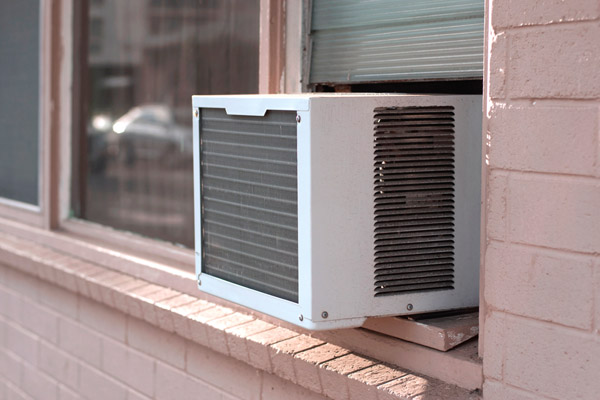
window AC unit

The first AC option that homeowners tend to jump at…

is a window AC unit. However, after investing in several of these systems for their homes, they quickly come to find out that their decision is one that they regret. Window air conditioning units do not provide the comfort that can get a household through the sticky summer weather. Not only does it leave the household members feeling uncomfortable, but these units significantly increase their monthly energy bills.

In addition, these units are notorious for producing a lot of noise. Homeowners complain that they can’t watch a movie or focus on reading a book due to the the clatter coming from these units. Furthermore, these units produce a lot of water which creates an ideal environment for mold and bacteria growth. This translates into poor indoor air quality and, possibly, respiratory issues. Also, a window unit is, obviously, aesthetically difficult to look at. It takes up an entire window which reduces the natural lighting of your home.

Call Today: (732) 349-5059

Ductless HVAC Systems

One option that is already popular throughout Europe and is becoming quite popular in the United States…

is the ductless air conditioner. Ductless systems are being used as an energy-efficient, supplemental air conditioning units for homes that already have central AC systems. However, they are a fantastic option for homes that do not have an air conditioning system or a system of ducts.

Learn More On How Ductless Works Click Here To Request A Free Ductless Consultation

Why Is Adding HVAC Ductwork So Complicated?

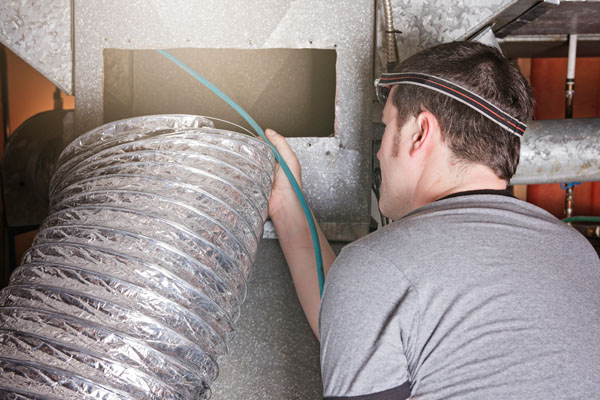
image of technician inspecting hvac ductwork

Before getting into more detail about ductless air conditioning systems, you might wonder why homeowners are not choosing the option to install ducts in their homes. While this is an option that homeowners do have, there is a lot more to it than what you might realize. Installing a ductwork system is very expensive and it takes a lot of time.

In order to add ducts, the house has to get rebuilt which makes it a major construction project. The ceilings and walls are altered and must be rebuilt. Not only that, it requires the household members to live in a construction zone which impacts everyday activities. Who really wants to rebuild their home? No one is too excited to jump at this option.

Why Are Ductless Mini-Splits A Good Option?

fujitsu general ductless systemHowever, when it comes to ductless systems, the installation is easy and quick in comparison. Usually, these systems are installed in about a day and it does not require a major alteration of the walls. The HVAC contractor will only place a three-inch hole in a wall that is used to run electrical wiring. This wiring connects the indoor unit with the outdoor compressor. The fast installation as well as the ductless air conditioner’s ability to:
  • reduce cooling costs
  • provide noiseless operation
  • improve indoor air quality
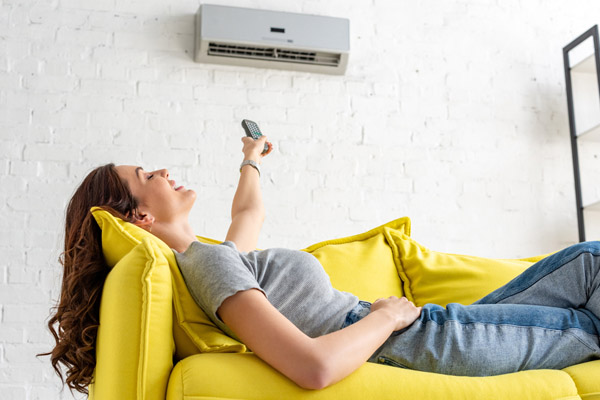
  • offer the highest level of comfort than any other AC option

has made this type of system unbeatable in most homeowner’s eyes. In fact, most homeowners choose this option for the various ductless benefits that come with these types of systems.

How Ductless Works Click Here To Explore Ductless Applications

Ductless Air Conditioner Reviews

image of a woman enjoying ductless cooling

If you are interested in a ductless system for your home…

then be sure to consider a few factors first. You want to consider these factors because, like all appliances, some are better than others. Therefore, it is important to take them into consideration so that you can find the model that works best for your home and cooling needs.

Some of the aspects that you should consider about a ductless air conditioner include British Thermal Units (BTUs), the number of cooling zones that your home requires, and the installation type. In a home with a single zone system, this type of setup requires one air handler that connects to one outdoor unit. If there are various areas of your home that require air conditioning, then you will need a multi-zone system.

A multi-zone ductless setup has many air handlers that connect to one outdoor unit. However, the requirement of zones truly depends on how many BTUs are necessary to cover the square footage of your home. Installation type is an important consideration that you should look at as well.

When you have an interest in installing ductless air conditioners in your home, you need to consider the installation type that is required. Some units can be installed as wall-mounted units and others can be installed as ceiling units. However, ceiling units are used in single-zone setups only. In addition, ceiling units can either be concealed, recessed, or suspended. In reality, the best way to determine which type of unit works best for you is by consulting with a certified HVAC contractor that has experience with ductless air conditioning systems.

Call To Schedule A Free Consultation

Fujitsu vs. Mitsubishi Ductless HVAC Systems

Although there are many manufacturers for ductless air conditioners, there are two that are the best. One is Fujitsu and the other is Mitsubishi. Both of these brands are known for their reliability, energy efficiency, and ability to provide high levels of comfort. They both offer long warranty periods. However, Fujitsu tops all of the ductless air conditioners on the market.

Fujitsu offers some of the most energy-efficient ductless air conditioners available.

Some of the units have a SEER rating of 33, which is higher than any other unit on the market. It is important to note that the higher the SEER rating, the more energy-efficient that the unit is. Therefore, Fujitsu systems are capable of providing an extreme level of comfort for a fraction of the cost. They have a standard warranty that covers its parts for 5 years and the compressor for 7. The extended warranty offers coverage for 12 years for parts and the compressor. However, in order to receive the extended warranty period, an Elite Contractor must install the unit for you. Regardless, all warranties are valid when a licensed professional HVAC contractor installs the unit. Otherwise, if the unit is installed by someone who is not licensed or certified, then the warranty is void.

Learn More On How Ductless HVAC Systems Work Click Here To Learn More About Ductless Pricing

Ductless Cooling Costs

image of money with questionmark depicting ductless cooling costs

If you live in a home that does not have a ductwork system…

and you have an interest in ductless air conditioning systems, you are probably curious to know about ductless cooling costs. Costs vary from one home to another. There are various factors that affect cost. These are:

  • Installation type
  • The number of areas or zones that you need to air condition
  • The type of ductless air conditioner that you choose
  • The size of the unit
  • The capacity of your electric panel
  • Your system’s configuration

A ductless air conditioning system has flexibility when it pertains to installation. Due to this and the above factors, this can move the cost of your installation from the low end to the high end of cost.

Download Ouor Free Fujitsu Ductless Product Guide Click Here To Request A Free Ductless Consultation

Single-Zone Ductless HVAC Systems

As an example, a single zone system is made up of one single indoor air handler, one outdoor compressor, and the line set that connects these two units. This tends to cost about $3,750 to $5,500. These systems work well for smaller homes, a sunroom, a garage, a finished attic, or an office space. They also work well for smaller-sized homes that do not have any ductwork or for homes where the existing ductwork will not extend, such as an addition.

Multi-Zone Ductless HVAC Systems

If you have a larger home with a higher level of cooling needs, then a multi-zone ductless system works better. Large homes that do not have a ductwork system usually need to install 3 more units in them. The number of units is completely dependent on the layout of the home and the cooling requirements of its household members. A multi-zone setup usually costs between $7,000 to $10,000, with two indoor units. A home with 4 zones, or 4 indoor units, usually costs about $14,500 to $17,500.

However, it is important to note that these systems offer flexibility when they are being installed. You can always add more units to your home at a later date. Basically, you can add a zone when it fits into your budget.


Conclusion

The installation of all AC systems and the cost of the units…

always seem to present some sort of sticker shock for homeowners. All air conditioning systems are expensive. While window units are the least expensive, they do not provide the necessary comfort. Also, your energy bills are astronomical when using these systems. Adding ducts to a home is highly expensive and time-consuming. Therefore, ductless systems are the cheaper and more reasonable option when it comes down to it. Also, ductless AC systems are highly energy-efficient which means that you will quickly get a return on your investment due to lower cooling costs.

Contact Point Bay Fuel For All Of Your HVAC Needs

Point-Bay-Fuel-Logo

Point Bay Fuel offers unbeatable heating and cooling services in Monmouth and Ocean Counties, New Jersey. Our team consists of top-certified HVAC technicians who will provide top-notch heating and air conditioning tune-ups, repairs, installations, replacements, and more. All our technicians have the required skill and experience to service your HVAC system appropriately.

Point Bay Fuel guarantees the most reasonably priced heating and cooling services in the area. Our HVAC services have many benefits, including improving your comfort levels and increasing energy efficiency whilst minimizing your home heating and cooling expenses.

In the event that you need an HVAC repair or replacement unit, we are able to recommend the ideal one for your home while making certain that we remain within your budget. For complete customer satisfaction, all our services are backed by a guarantee. In order to schedule a service appointment, give Point Bay Fuel a call today. We also offer free, in-home estimates.

Call Now: (732) 349-5059 Read Our Testimonials

Contact us now by calling (732) 349-5059 to speak to one of our home comfort specialists!

The post Air Conditioning Options For Homes That Don’t Have A Ductwork System appeared first on Point Bay Fuel.