Monday, January 24, 2022

The Best Ways To Prevent Running Out Of Heating Fuel This Winter

feeling chilly due to running out of heating oil

There are millions of homeowners across the country who rely on heating oil to keep their homes warm during the cold days of winter. One aspect that comes from this type of heating is checking the amount of fuel there is in the heating oil tank and scheduling a heating fuel delivery before running out. Heating oil is essential for keeping your home warm and comfortable. However, many people overlook the maintenance necessary for this system.

With so much going on, from family outings, ski trips, and snow removal, keeping up with oil tanks can easily get lost in everyday activities and responsibilities. Unfortunately, this is also the time of year when winter can be at its worst and a full tank of fuel oil is crucial. This oversight often leads to even extremely responsible homeowners running out of oil when the harsh temperatures of winter arrive when they need the oil the most.

There are several causes that could potentially lead to you finding your fuel tank empty. These include:

  • Stolen fuel
  • A problematic tank system
  • Not having the money to purchase a new oil delivery
  • Failure to keep monitoring oil levels during the year

Regardless of the reason, running out of home heating oil can be a very frustrating experience and impacts your day-to-day life and wellbeing. However, it doesn’t have to be a huge problem to prevent this type of situation. By understanding potential risks involved in your fuel running out, you can ensure that the tank remains full year-round by taking some simple measures to avoid having a fuel tank that is empty.

Explore Our Heating Oil Delivery Services Call Today To Order Fuel

Why It’s Important That Your Heating Oil Doesn’t Run Out
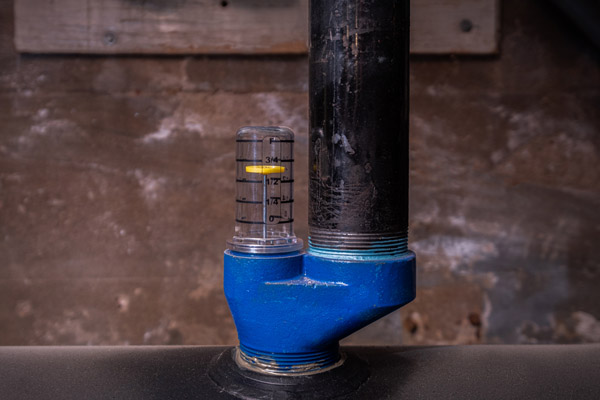
image of an oil tank gauge

If you’ve never experienced running out of heating oil before, you might not think that preventative measures are a big deal. However, even people who are usually very careful about these things can overlook the importance of placing their order for oil on time — a problem that could be more harmful than it initially seems.

In fact, purchasing heating fuel in a timely manner is a necessity for several important reasons. The obvious inconvenience you’ll experience is that you’ll run out of hot water and your home will feel cold. Some other risks you could face if you overlook preventative measures designed to ensure your oil tank stays full are listed below.

1. Higher Heating Oil Costs

The most common time for homeowners to run out of oil is during the end or middle of winter. Unfortunately, the timing couldn’t be worse, as this is when the price for heating oil is typically at its highest. If your fuel runs out in the period from October to March, you’ll find yourself paying the highest prices of the heating season. This could add hundreds of dollars more to your annual heating costs.

Unfortunately, you’ll not only pay a higher rate for the heating oil, but you’ll also have to spend more money for an emergency fuel oil delivery rather than the lower cost of a standard fill-up. Emergency oil delivery services can cost significantly more than small fill-ups when you need them.

Call Today: (732) 349-5059

2. Buildup of Sludge

It’s common to find sludge and/or debris in the bottom of tanks that hold heating oil. But this sludge won’t usually cause damage to your heating system unless you let your tank get empty.

When the oil in the tank is low, sludge can get pulled into the line that carries oil to the heating system. This sludge can either clog the supply line or move through to a filter where it will partially or entirely clog the filter. Fuel lines and filters that become clogged can reduce the efficiency of your heating system or cause it to completely shut down, which will require a heating professional for service.

3. Manual Reset for Oil Heating System

Sometimes all that is necessary to reset a heating oil system once it’s run out of fuel is to simply press the reset button. However, if running out of fuel has caused the pilot light to go off, this will require it to be relit.

By law, a pilot light reset can only be done by a professional. The heating professional will change clogged filters and bleed the oil supply line; this will certainly result in a significantly higher cost than simply getting a refill of fuel oil.

How You Can Prevent Running Out of Fuel Oil
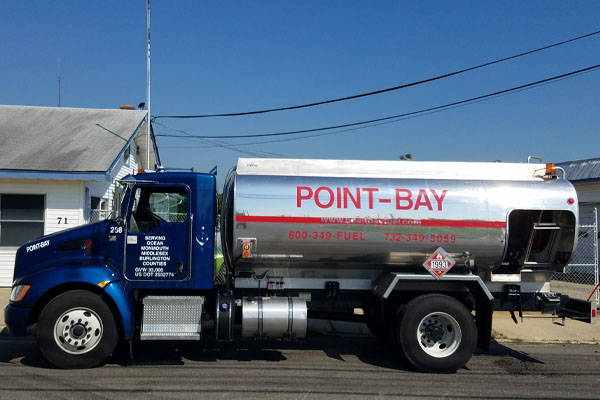
image of a home heating oil delivery point bay fuel

With the problems that come from running out of heating oil, why wait to take steps to ensure you’re protected? You can take proactive steps for your home’s heating needs simply by using some preventative measures to ensure your heating oil tank remains sufficiently filled throughout the year.

The rule of thumb approved by the home heating oil industry is that your oil tank should always be at least 25-30% full. Fortunately, this doesn’t mean that you’ll need to monitor oil levels constantly by manually checking how much oil you have left in the tank. With the following technologies and services, you can take steps to protect your home’s heating system without adding the stress and time of constantly monitoring your system:

Learn More About Our Heating Oil Delivery Services Call Today To Schedule An Oil Delivery

Automatic Heating Oil Delivery

pbf heating oil delivery

When you schedule an automatic oil delivery service, you’ll never have to worry if you’ll run out of oil.

Do you know what the best part is? You won’t have any work to do. You can forget about checking your fuel tank and trying to figure out when an oil refill should be scheduled. With a program that provides automatic delivery, you can relax and let the oil company handle it all.

When you choose automatic heating oil delivery, the oil provider will use non-invasive technology to track how much oil you’re using and estimate your heating oil needs. They’ll take into consideration your family size, your home, and will calculate heating degree day (HDD). An HDD is a measurement of the amount of energy needed to provide heat to your house based on the temperature outside.

When your oil provider is calculating HDD, they will consider the size of your fuel tank, the square footage of your home, as well as data that shows the heating needs in the surrounding area in order to determine with a very high measure of accuracy when your oil tank has reached one-quarter or so full. When that happens, they’ll contact you to schedule your next refill delivery.

Call To Schedule An Oil Delivery

Automatic Fuel Oil Delivery – Pros

  • The most popular method of heating oil delivery for most oil companies is automatic delivery. It comes with a high degree of success in preventing fuel tanks from running out of oil.
  • Of the various preventative measures, automatic fuel deliveries save homeowners the most money. Many oil providers offer discounted oil prices when customers sign up for automatic delivery and this can add up to significant savings.
  • You don’t have to worry about being sold oil that you don’t need or want because deliveries are calculated based on your heating history as well as your unique needs.
  • With non-intrusive measures of calculating your oil needs, you won’t have to concern yourself about tank monitoring software that can seem invasive.

Automatic Delivery – Cons

  • One drawback of this system is that it may not take any unexpected heating needs into consideration. If you have visitors who use plenty of hot water every day, or if you are away from home on vacation and didn’t use your typical amount of heat, you will need to let the oil company know in order to have them make an adjustment to your regular delivery schedule.
  • In order to get the most accurate results, you will need to commit to one supplier for a specified period of time, so you won’t have the flexibility to shop around. However, you can avoid any issues by choosing a reputable fuel oil delivery company, like Point Bay Fuel.

Smart Meters and Tank Monitoring Apps

smart oil tank meter

Smart technology has made its way into just about every industry possible. Whether it’s smart thermostats and security systems or cookware and garbage bins, there seems to be no part of a home that is without advanced alternatives offered by technology. Of course, this technology is also available in the industry of heating oil with the use of smart meters for your oil tank.

A smart meter can instantly monitor the oil level in your home as well as heating costs, and oil consumption, whether you’re in your home or away on business or vacation. The smart software will send data to your computer or cellphone via a sensor that is attached to the oil tank.

Oil Tank Smart Meters – Pros

  • Many systems have built-in alarms that will notify you in the event of attempted oil theft.
  • Many smart alarm systems will alert you when oil levels are low, giving you ample time to schedule a delivery with your oil company.
Call Today: (732) 349-5059

Smart Meter For Heating Oil Tanks – Cons

  • A smart meter is often one of the more expensive options for tracking oil. A smart system for monitoring your oil tank will typically cost about $100 or higher.
  • There have been some reports in the media that some electricity monitoring systems on rare occasions have been off by as much as 50%. While most people who use software designed for smart oil monitoring find the system works accurately, there is potential for rare inaccuracies, so the system should be checked occasionally.
  • Smart meters typically notify the user when oil levels get low, not the oil company. You will still have to contact your oil provider in order to schedule a delivery before your oil runs out.

Installing a smart meter is not a DIY project and requires professional assistance. Fortunately, if you purchase the monitor from Point Bay Fuel, they will install it for free while we are there for your annual heating system maintenance appointment. If you haven’t scheduled an oil heating system tune-up, be sure to give us a call today.

Local Fuel Oil Tank Monitors
home heating oil tank

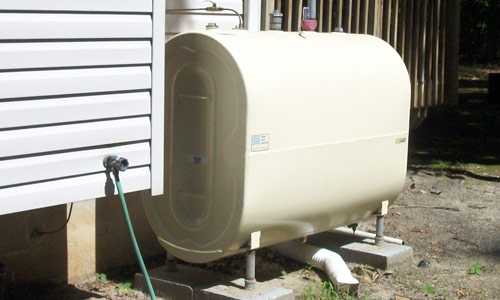
Software for local tank monitoring can be a great alternative for users who don’t use a smartphone or have another device that can connect to smart meters, but who still want the convenience of being able to check tank levels from inside their home.

Much like a smart meter, local monitors utilize a transmitter that is easily attached to your fuel tank. The sensor will then send a read-out to a local monitor, a device that is usually plugged into an outlet in your home.

Local Oil Tank Monitors – Pros

  • Most monitors are easy to install by placing a sensor on your oil tank, then plugging your monitor into an electrical outlet. This system allows non-smartphone users to enjoy the convenience of a tank monitoring system with an easy read-out.
  • When oil is low, the system will send an alert directly to the monitor, so you never have to guess if it’s time to call for an oil refill.
  • A local tank monitor is generally more accurate than the more traditional float gauges, so they eliminate the need for dipsticks and gauges.
Learn More About Our Heating Oil Delivery Services Call Today To Schedule An Oil Delivery

Local Fuel Tank Monitors – Cons

  • Some monitors might require placement within a specific distance of the oil tank, this can leave you with less flexibility than automatic delivery services or smart meters. Similarly, some mobile monitors use a battery, so they can be anywhere in your home, but the majority of local tank monitors need to be plugged into an electrical outlet, limiting mobility.
  • A monitoring system and tank transmitter can cost almost as much as a smart system. Like a smart meter, a local tank monitor can cost about $100.
  • While you’ll get an alert letting you know when the oil tank is low, it’s still necessary to contact your oil supplier for delivery.

Alert Systems

homeowner using smart phone to order home heating oil

An alert system for your oil tank is an excellent solution for anyone who wants the convenience of an alert to let them know when oil levels get low, but they don’t need the features of a local monitoring or smart system.

An alert system means you don’t pay for all those extra features. Simply install a gauge on your oil tank and it will send a low oil level alert to the receiver. The receiver will flash or beep at a set oil level, this lets you know it’s time to contact your oil provider.

Oil Tank Alert System – Pros

  • Homeowners who aren’t familiar with smart technology will often find the alert system a great solution for monitoring oil levels. The receiver is a basic device that will alert you when the tank’s oil level is low, but it has no complicated interface or screen.
  • Alert systems are typically inexpensive, because of their simple design, especially when compared to more expensive tank monitoring software. This type of system can be purchased for a budget-friendly price.
  • Many receivers with this type of system use battery power, so they can be placed in just about any place in your home.
Get Started - Click Here To Schedule An Oil Delivery

Alert Systems For Heating Oil Tanks – Cons

  • An alarm system can let you know when oil levels are low; however, they don’t provide other important data regarding your oil usage. When you know your daily and seasonal trends, you can more accurately identify where your heating dollars are being wasted and how you can remedy the situation, but an alert system doesn’t provide this information.
  • Similar to other types of tank monitoring, an alert system won’t send a low oil level message to your oil supplier. It will be up to you to contact your oil supplier to schedule an oil delivery.

Manual Check of  Heating Oil Tank Levels
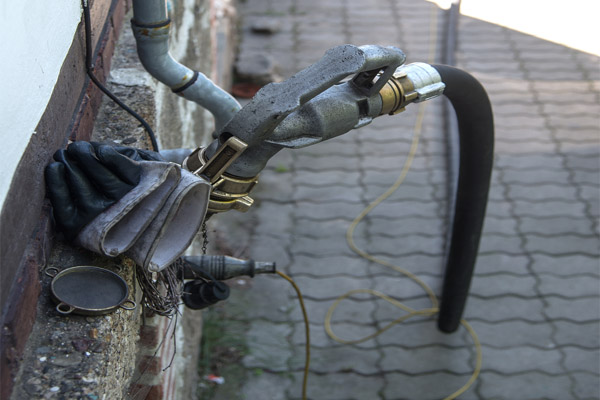
image of a heating oil delivery in new jersey

If your budget doesn’t have room for a monitoring system, it’s still necessary to keep an eye on your oil tank in order to avoid the tank running too low. Many experts discourage users from monitoring oil levels manually. But if it’s necessary, you can check the tank manually by watching the gauge and letting your oil supplier know when the tank is low.

Use a dipstick to check how full the oil tank is. Make sure to call your oil company and schedule a refill before the tank reaches the one-quarter full mark. It’s important to ensure that the oil lever never goes lower than the one-fourth mark in order to protect your tank and not run out of heating oil.

Manual Oil Tank Monitoring – Pros

There’s no doubt, manually monitoring oil is can be a cost-effective option. But it’s important to keep in mind that it might end up costing you more in the long run, especially if you don’t notice the tank is low and you need an emergency delivery.

Learn More About Our Home Heating Oil Delivery Services Call To Schedule An Oil Delivery Today

Manual Oil Monitoring – Cons

  • Even if you’re the most responsible homeowner, it can be easy to overlook checking heating oil levels. Many of the prevention methods will alert you to the need for more oil, manual monitoring will require more frequent checks. Failing to monitor often enough could lead to expensive repairs and the need for an emergency fill-up service.
  • Manually monitoring oil levels is certainly the most inconvenient method, especially if your oil tank is outdoors. During the cold days of winter, you probably won’t be thrilled to have to stand outdoors in the cold in order to check oil levels in your tank.


What You Need To Do If Your Oil Runs Out

Preventative measures aren’t going to be much help if you find you’ve already run out of heating oil. Of course, it should be an indication that you need to take steps to avoid a similar problem in the future. However, your first priority when your oil runs out should be to take action to immediately get the heat back on.

If you have completely run out of heating oil, the following tips should provide a helpful guide as to what you should do:

  • Call to schedule an emergency delivery of oil: An emergency oil delivery service will typically provide you with the oil fill-up you need within 24 hours or less of placing your order.
  • Find a substitute way to heat your home: You might need to use diesel fuel or kerosene until your emergency service arrives with more oil. You can fill a 5-to-10-gallon container designed for transporting gasoline at the local gas station. A fireplace or space heater can also be used while you wait for your oil delivery to arrive.
  • Insulate your surroundings: While you’re waiting for oil to be delivered, make sure you insulate areas in order to trap heat in your home. Close windows and doors and use weather stripping if necessary, in order to minimize any loss of heat.
Call To Schedule An Emergency Oil Delivery

Call Point Bay Fuel For Superior Heating Oil Deliveries
Point-Bay-Fuel-Logo

Point Bay Fuel offers high-quality heating oil deliveries and HVAC services in Ocean and Monmouth Counties, New Jersey. Our heating oil deliveries are fast, reliable, and affordable, and we always keep your safety in mind. We offer various heating oil delivery plans and financing options. This way, you can customize your fuel deliveries to meet your needs.

Likewise, we hire the best, certified HVAC technicians who can provide you with excellent HVAC tune-ups, repairs, installations, and replacements. Each of our techs has the knowledge and experience to service your HVAC system correctly – the first time around.

Point Bay Fuel guarantees the most competitive home comfort service costs in the area. Our maintenance services can improve your comfort and energy efficiency while reducing your home HVAC costs. If you are interested in improving your indoor air quality, then look no further. Our experts know the most advanced solutions to achieve all of your home comfort needs. All of our services are backed with a guarantee to ensure your satisfaction. To schedule an appointment, give Point Bay Fuel a call today.

Call Today: (732) 349-5059 Read Our Testimonials

Contact us now by calling (732) 349-5059 to speak to one of our home comfort specialists!

The post The Best Ways To Prevent Running Out Of Heating Fuel This Winter appeared first on Point Bay Fuel.

Monday, January 17, 2022

Furnace Replacement Toms River NJ: Factors That Influence Your Furnace’s Lifespan

image of a gas furnace installation toms river nj

The average lifespan of a furnace is something that all homeowners are curious about. Whenever winter rolls around, the question “How long does a furnace last?”, becomes quite popular. The reason for the concern is that a home heating system replacement is a considerable investment. Every homeowner is well aware of the financial and logistical stress that comes with a furnace replacement Toms River NJ.

An average heating unit has a lifespan of approximately fifteen years. This does not guarantee that each and every heating unit will last for that amount of time.

Some furnaces could last much longer…

than the average fifteen years. Some might quit long before that date. The reality is that the true lifespan of your heater is dependent on several different factors.

Explore Our Heating System Services Call To Schedule An Appointment

How Much Does a New Furnace Replacement Cost?

The cost to replace your Toms River furnace depends on several factors:

  • House size (square footage and room count)
  • Fuel source (oil, gas, electric, etc)
  • Condition of existing ductwork
  • The complexity of the installation
  • Brand and efficiency ratings
  • etc

Also, installing a new furnace and/or AC system typically increases your home value in addition to the overall comfort level and energy efficiency of your home.

Gas Furnace Replacement Costs

image of an HVAC contractor and hvac installation consultation

In general, Point Bay Fuel offers gas furnace replacements for $5500 – $7500. However, this will change based on various factors. To truly determine the cost of a gas furnace replacement, it is best to schedule a consultation.

Oil Furnace Replacement Costs

An oil furnace replacement will range from $ 5700 – $7200. These numbers are generalizations, meaning that an HVAC technician will need to assess your situation to be able to come up with an accurate price for your oil furnace replacement. Give Point Bay Fuel a call today to get started.

Cost To Replace AC & Furnace Together

Many homeowners want to replace their air conditioner and furnace at the same time. This can prove to be very beneficial in terms of gaining efficiency, comfort, and more. A new A/C and furnace replacement cost range from $8500.00 to $12000.00. Once again, it is best to schedule a consultation as this will properly determine the HVAC replacement cost for your home.

With this, many homeowners ask, “Can you replace the furnace without replacing AC?”. The answer is yes. However, your particular situation will determine the best course of action. Call Point Bay Fuel today to schedule a consultation.

Call To Schedule A Consultation

How Long Should My Furnace Last?

In this article, we will discuss these factors so that you can get an idea of when you should start budgeting for a heater upgrade.

Heating Unit Age

image of an old furnace

How old is your furnace already? The older a furnace is, the less life it has remaining. If your furnace has already seen a couple of decades, you are already on borrowed time. Once your furnace is more than 10 years old, it is a good time to start budgeting for a heater replacement.

That is not to say it is impossible for a heating unit to last more than fifteen years. Climate can play a big part in the life of a heater. Homes in warmer climates require less heating. Using your heating unit less than average will certainly extend its life. Couple this with routine maintenance and it is easy to see how there are several exceptions to this rule.

Unfortunately, for the majority of homeowners, once that mile marker is approaching, problems will start to appear. A heating system will likely begin to malfunction before it stops working completely. When your heating is starting to need frequent repairs, or it is using more energy than necessary, this is a clear indicator that it is time to replace the system.

Call Today: (732) 349-5059

Manufacturer Of Heating Unit

image of a couple in toms river researching new furnaces

As with all products, there are manufacturers that make better quality systems than others. However, the heater itself truly determines quality. Many are mesmerized by glamorous packaging and marketing. However, a shiny facade does not equate to a well-constructed and quality unit. Good marketing is just good marketing and has nothing to do with a quality heating system.

Instead of being swayed by marketing…

conduct some consumer research to determine quality. Look for consumer reviews on the internet. Consumers are quite eager to share both good experiences and bad experiences when it comes to products. You can find real reviews that address all the pros and cons of a product.

Company warranties will also tell you about the quality of a furnace. A lengthy warranty can help you determine the true furnace lifespan. A manufacturer will not warranty a product longer than its expected life. They cannot take that much financial risk.

If you see a furnace with a fifteen-year warranty, you can be reasonably certain that you will not have any problems beforehand.  Additionally, a service warranty gives even more assurance that a heater will last its expected lifetime, without needing repairs. Servicing a heating unit is quite costly for a company. Therefore, they will offer a service warranty when they stand by their product. Also, be sure to talk to a trusted HVAC contractor. They will be able to match your heating needs with the most efficient heating unit, while working within your budget.

Learn More About Our Home Heating Services Call To Make An Appointment

Furnace Maintenance Record

furnace tune-up

Every piece of machinery requires maintenance to run and run efficiently. This is certainly true when it comes to your heater. If you want to get every year possible from your furnace, regular maintenance is obligatory. Without it, you will shorten the life of your furnace.

The homeowner can help by conducting regular maintenance.

This typically involves scheduling tune-ups and changing the air filters on a regular basis. Tune-ups should occur on an annual basis. Check your filter on a monthly basis and perform an HVAC air filter replacement when it is dirty. A qualified technician should handle the rest. Get annual checkups and tune-ups to verify the health of your heating system. A technician handles repairs that can prevent larger issues from developing.

Call To Make An Appointment

Regional Climate

The climate that you live in has a big effect on how much you use your heater. Homes in colder climates have more usage than the average home. If you live in a colder climate, your unit might not last as long. It should go without saying that the opposite is true for those that live in warmer climates. The usage will be less and will result in fewer repairs and a longer product life. However, climate alone is not the only way to determine how long a furnace will last. All of the other factors have a significant impact as well.


Conclusion

A heating system is a complicated appliance. This is why it is imperative to utilize a qualified and experienced technician to service, repair, and replace your heating unit. A furnace replacement is not a DIY furnace installation project for homeowners. Also, remember that many manufacturer warranties are only valid if a licensed contractor repairs, services and installs your furnace. A reliable company will help you determine if it is time for a new unit. If it is time to make this investment, they can best help you determine the appropriate heater, or the best gas furnace, for your home.

Call Point Bay Fuel For All Of Your HVAC Requirements

Point-Bay-Fuel-Logo

Point Bay Fuel provides top-quality heating and cooling services in Ocean and Monmouth County, New Jersey. Our company has highly trained and the best professionally certified technicians for all your HVAC service needs, including boiler tune-ups, air conditioner repairs, furnace installations, and more. All our techs are knowledgeable, skilled, and experienced in working on any HVAC system correctly.

Rest assured, we have the most competitive HVAC service prices in the area. Our maintenance services can enhance comfort and energy efficiency while reducing your energy bills. When you need to replace or repair your HVAC system, we can recommend the best solutions that fit your home and budget. All our work comes with a guarantee. Book a service appointment by calling Point Bay Fuel today. We offer in-home estimates.

Call Now: (732) 349-5059 Read Our Testimonials

Contact us now by calling (732) 349-5059 to speak to one of our home comfort specialists!

The post Furnace Replacement Toms River NJ: Factors That Influence Your Furnace’s Lifespan appeared first on Point Bay Fuel.

Monday, January 10, 2022

9 Ways You Can Improve Indoor Air Quality During Winter

image of homeowner and dog depicting air quality in winter

If you cannot imagine spending time outdoors in the thick of winter, imagine being indoors and still having issues with comfort. This is usually the case if the indoor air quality inside your home is worse than what is outdoors. Keep in mind that in some homes, indoor air quality (IAQ) is worse than the air found outside. Let’s take a look at how winter indoor air quality affects our health and the ways we can ensure a healthy indoor environment.

Explore Our HVAC Services Call To Schedule An Appointment

How to Improve Your Indoor Air Quality in Winter

Indoor air can be hazardous to health and this has been proven time and again. Fortunately, there are tried-and-tested solutions that we can turn to for the improvement of indoor air. There are ways to prevent pollution indoors and protect the health of those who are living and working indoors.

Why the Quality of Indoor Air Worsens in Winter

image of homeowner with allergies dealing with dry air in winter

Your indoor air quality relies on a good, reliable HVAC system. HVAC systems, as we all know, can be costly to run. They use up a good amount of energy to ensure that the indoor environment is warm and comfortable. For the HVAC system to work well, the home or building must be somewhat sealed to prevent warm air from seeping through gaps and cracks. While this is helpful for keeping the air indoors at a comfortable level, it will also encourage the buildup of particulates that usually include dust, pollen, dander, mold spores, VOCs (volatile organic compounds), chemical fumes, and other types of pollutants. Because the HVAC system recirculates air, these contaminants are carried throughout the home or building. Meanwhile, the occupants get to inhale these pollutants or become exposed through direct contact and ingestion. This explains why the indoor environment tends to be uncomfortable during winter.

Call Today: (732) 349-5059

Can Poor Indoor Air Quality Affect Health?

Indoor air quality exposes occupants to a number of pollutants. How these pollutants affect a person’s health will depend on how severe the pollution is and how long the person has been exposed. If you are a visitor spending a few minutes or hours inside a building with poor indoor air, it is not likely you will have a problem later on. However, if you spend many hours on most days inside a room or building with compromised air, you can be sure that your exposure will result in issues with your health.

According to the U.S. EPA (Environmental Protection Agency), polluted indoor air can affect health in different ways. Here are some issues to watch out for:

1. Mild Irritation

image of homeowner putting artificial tears in eyes depicting poor air quality in winter

A mild form of irritation may be experienced by some people after exposure to air pollutants. This could involve the eyes, nose, and throat. People who have a high sensitivity to certain types of pollutants and those who have allergies will usually have worse symptoms. However, the discomfort usually lasts for as long as you are exposed to the pollutants. The symptoms usually go away when you leave the building.

2. Chronic Fatigue

If you live in a home that has poor air quality, your immune system suffers. You likely will begin experiencing dizziness and headaches, and complain of chronic fatigue. Chronic fatigue does not only affect your performance but it will also affect your well-being.

Explore Our Heating & Cooling Services Call To Make An Appointment

3. Respiratory Disease

image of man with respiratory issues in winter and inhaler

If you already have some form of respiratory disease, you might experience worsening episodes. For those who don’t, you will likely develop it. If you have asthma, for example, pollutants in your indoor environment will only make it worse.

Call To Make An Appointment: (732) 349-5059

4. Cancer

Unfortunately, some particles found in the air are carcinogenic. Radon, for example, is a culprit in the development of lung cancer. There are also other compounds that form indoors that might lead to serious health conditions.

5. Death

Some types of gases, such as carbon monoxide, are toxic. At high levels, this gas could be fatal even with short-term exposure. Carbon monoxide forms after combustion and is difficult to detect just by using the senses.

Tips for Improving Indoor Air Quality During Winter

Clean Up

image of dust in house due to poor air quality

Dust will settle on exposed surfaces. If disturbed, dust can float in the air where it can be inhaled or swallowed. This can be minimized by regular dusting and vacuuming. If you are going to clean up, make sure to wear protective gear such as masks and goggles if necessary. You could also use natural or non-toxic cleaning products for a more thorough cleanup.

Get a Professional Ductwork Inspection

Ducted systems use ducts to distribute air throughout the home. Dust, dirt, and other pollutants can build up within the ductwork and affect indoor air quality. Have a contractor inspect the air ducts and clean it. In many cases, the technician can even identify any issues early and repair damaged sections or patch up leaks.

Call To Schedule An Appointment: (732) 349-5059

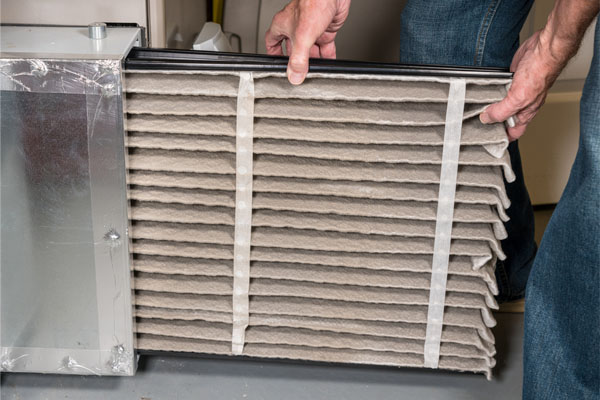
Replace Air Filters Regularly

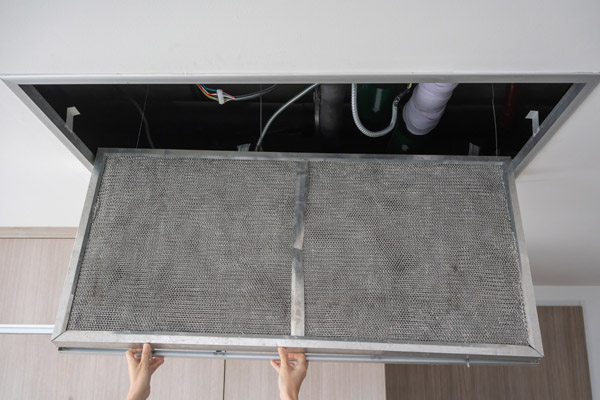
image of a dirty hvac filter

Air filters trap particulates in the indoor environment. However, air filters do become overwhelmed by pollutants and they become clogged. This affects their efficacy and efficiency. To ensure that your air filter will always work, make sure that they are replaced or cleaned periodically. Check the manufacturer’s recommendation regarding your air filters or inspect their condition yourself once every month or three months. Keep in mind that each air filter is different and how often the filter is replaced will depend on factors such as the number of occupants in the home, presence of pets, cleaning schedule, etc.

Consider a Filter Upgrade

disposable hvac air filters

If you have a basic filter, it will likely only be capable of trapping large particulates. As a result, smaller pollutants can slip through and still cause problems. Consider using high-efficiency filters for a more efficient performance. Note that these types of filters might require changes in the system. If you are unsure, get in touch with a licensed HVAC contractor.

Stop the Source of Pollutants

Know what types of pollutants you have to deal with and deal with their sources directly. Old heating equipment, hazardous building materials, and toxic cleaning solutions are common sources of pollution. If you suspect you have a more serious problem, consider calling your local technician to inspect your home and offer their solutions.

Learn More About Our HVAC Services Call To Schedule A Consultation

Improve Your Ventilation

Poor ventilation can worsen issues with indoor pollution. Check if you have mold, notice wall condensation, and smell strange odors. Some of these issues are more obvious in certain places, so take note of that as well. In general, areas that require better ventilation include bathrooms and kitchens. If you are performing any home improvement projects such as sanding and painting, make sure to keep windows and doors open and that there is adequate ventilation. This will ensure a good exchange of fresh air inside the home.

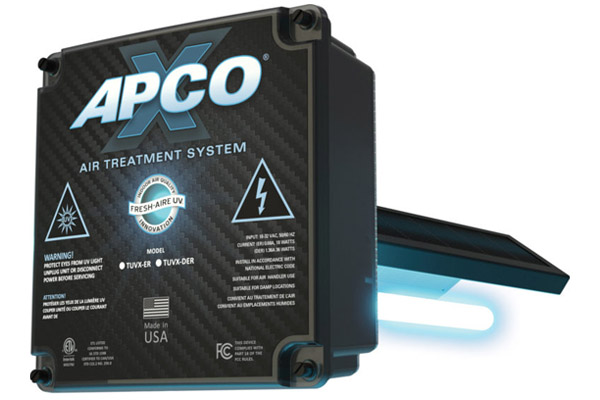
Use an Air Purifier

apco x uv air purifier

Although your HVAC system has a built-in air filter, it may not be adequate in handling indoor air pollution. You can fix this by adding an air purifier. Air purifiers capture additional particulates from the air. There are even models that use activated carbon filters to kill pathogens and eliminate odors. If you want to add an air purifier to your home, talk to your HVAC contractor about compatible solutions to your system.

Increasing Humidity

The winter months tend to promote dry air. When there is little moisture in the air, the nose and throat become dry as a result, leading to respiratory issues. To prevent this, consider using an indoor humidifier to maintain a good balance of air moisture. You could even talk to your HVAC technician about using whole-house humidifiers.

Use Air-Heat Exchangers

Air-heat exchangers help eliminate pollutants from indoor air, replacing them with fresh air pulled in from outdoors. Exchangers are an affordable solution because they do not need to use energy to keep the air warm.


Conclusion

There is no need to suffer during the winter months. Simply by improving your indoor air quality, you can increase comfort and enjoy the season. If you need professional help, get in touch with your trusted HVAC contractor to discuss the key solutions to your concerns.

Call Point Bay Fuel For Superior Heating & Cooling Solutions

Point-Bay-Fuel-Logo

Point Bay Fuel is a leading heating and cooling service provider for our clients in Ocean and Monmouth County, New Jersey. All services we offer are performed only by certified HVAC technicians who are trained and skilled in performing top-notch tune-ups, installations, replacements, repairs, and more.

We guarantee that our HVAC service costs are the most competitive in the area. We know how much you value your comfort and we make sure we offer only the services that prioritize your comfort, health, security, and safety throughout the year. Talk to Point Bay Fuel today for the best solutions to your needs. Call now to schedule a consultation.

Call Now: (732) 349-5059 Read Our Testimonials

Contact us now by calling (732) 349-5059 to speak to one of our home comfort specialists!

The post 9 Ways You Can Improve Indoor Air Quality During Winter appeared first on Point Bay Fuel.

Monday, January 3, 2022

What Homeowners Should Know About Their HVAC Air Filters

senior man changing a dirty air filter in a furnace

Part of being a responsible property owner is completing home maintenance on a regular basis. For example, if a person does not have his or her furnace serviced on at least a yearly basis, problems with the unit breaking down and unnecessary expenses are usually the results. One important task that should never be overlooked with regard to an HVAC system is the changing of air filters.

Explore Our HVAC Services Call To Schedule An Appointment

HVAC Systems & Indoor Air Quality: The Role Of Your Air Filter

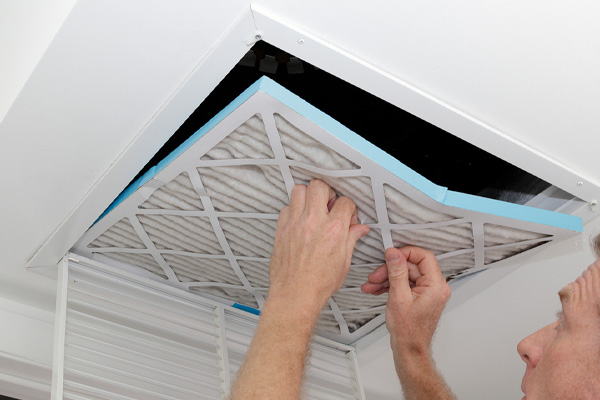
Replacing dirty HVAC filters with new ones is a simple and inexpensive task that is often the difference between uninterrupted year-round comfort in your home and costly repair bills. You can have this task taken care of by an HVAC professional. Air filters are one of your system’s most essential parts, and below are two of their vital functions:

Air Filters Keep The HVAC Unit Clean

image depicting indoor air pollutants

HVAC air filters keep debris such as dirt and dust from causing clogs in the air-conditioner’s evaporator coil and in the furnace’s heat exchanger. Blockage of this kind restricts airflow, which results in reduced performance, and subsequently higher utility bills. If air filters are extremely clogged, it can even result in a total breakdown of the HVAC system.

Call Today: (732) 349-5059

Improved Indoor Air Quality In Your Residence

The air filters in an HVAC unit are responsible for keeping a normal flow of air circulating through the home. In addition, the filters catch and trap airborne debris (indoor air pollutants), which ensures that the air quality in the home stays at a healthy level. Because air filters play such a vital role, it is essential to purchase filters that will effectively trap air pollutants, such as the aforementioned dust and dirt. This ensures that you and your loved ones are breathing the cleanest air possible.

Servicing Your HVAC System Correctly

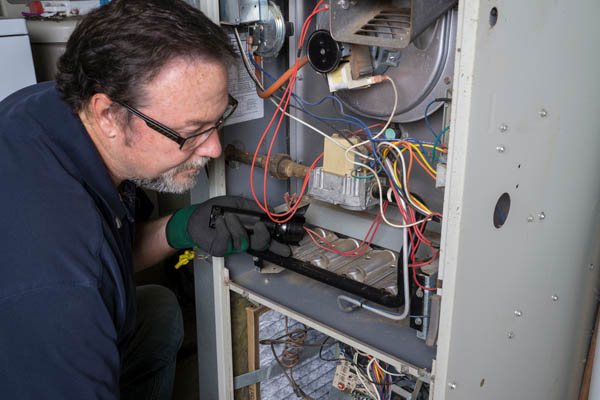
image of a furnace tune-up by an hvac contractor

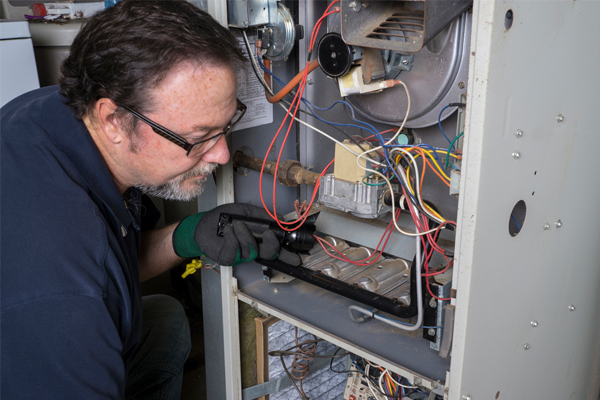
You may have wondered how often you need to have your HVAC unit serviced by a reputable and experienced technician. In most cases, yearly servicing is sufficient. HVAC systems are comprised of many moving parts, such as belts and ductwork. If belts are dry or cracked, problems can develop. Similarly, if rust or cracks are present in the coils, fans, or ductwork, the operation of the system may be restricted. Most professionals lubricate such parts and inspect them for damage to determine if replacement is necessary. To ensure optimum results, a properly trained professional should be the one to decide whether or not repairs or replacements are necessary.

Regarding thickness, air filters typically measure one to four inches. One inch is generally the most common size for a home. However, because this differential is present, it is best to check your specific system requirements before purchasing air filters for your HVAC unit. Alternatively, you can simply hire an expert to handle the changing of the filters.

Explore Our Heating & Cooling Services Call To Make An Appointment

Air Filter Maintenance & Care

hvac air filter replacement

Investing in high-efficiency air filters does little or no good if the filters themselves are not replaced regularly and properly cared for. If particles accumulate in the filters, your system will be forced to work harder. A dirty filter increases your energy bills, raises the risk of malfunctions, and negatively affects the system’s overall performance. Fortunately, caring for the filters properly can eliminate many of these problems.

Call To Make An Appointment: (732) 349-5059


Conclusion

Property owners who have their HVAC filters replaced or cleaned on a regular basis can avoid system downtime. Likewise, they can avoid high energy costs and expensive repairs. In addition, regular maintenance improves indoor air quality. An HVAC professional can offer additional suggestions when conducting an annual home furnace inspection.

The professional HVAC techs at Point Bay Fuel are professionally certified, skilled, and capable of performing a variety of services on your furnace.

Call Point Bay Fuel For All Of Your HVAC Requirements

Point-Bay-Fuel-Logo

Point Bay Fuel offers superior heating and cooling services in Ocean and Monmouth County, New Jersey.

Our certified technicians can provide you with excellent HVAC services, including heating and cooling tune-ups, repairs, installations, and replacements. Each technician has outstanding knowledge and experience to serve your HVAC system needs correctly, the first time around.

Point Bay Fuel guarantees to provide the most competitive heating and cooling service costs in the area. Our maintenance services ensure to improve your comfort and air quality, increase your system’s energy efficiency, and reduce your home’s heating and cooling costs.

Need your system repaired or replaced? We’ll recommend the best solution that works well within your budget. The best part is, all our work is backed with a guarantee to ensure your satisfaction.

If you wish to schedule a service appointment, give us a call today!

Call Now: (732) 349-5059 Read Our Testimonials

Contact us now by calling (732) 349-5059 to speak to one of our home comfort specialists!

The post What Homeowners Should Know About Their HVAC Air Filters appeared first on Point Bay Fuel.
Monday, December 20, 2021

The Hidden Costs Of Electrification – Things You Need To Know!

image of couple looking at high electrification costs in new jersey

Climate change is one of the most pressing and complex problems we are facing that need creative solutions. With different applications, there must be different strategies. There are those that argue for electrification as the best solution for clean energy. Unfortunately, this may only work for big companies that can afford the extra expense. Homeowners, on the other hand, may not be able to afford the cost of energy conversion. In New Jersey, residents who rely on gas, propane, and oil may not consider electrification as the most feasible choice. Learn more about the hidden costs associated with electrification and whether or not it is a good option for your needs.

Explore Our Heating System Services Call To Schedule An Appointment

What You Need To Know About The Hidden Costs Of Electrification

Let’s take a look at the upfront costs you can expect should you decide to convert to electricity.

Switching To Electrical Heat Pumps

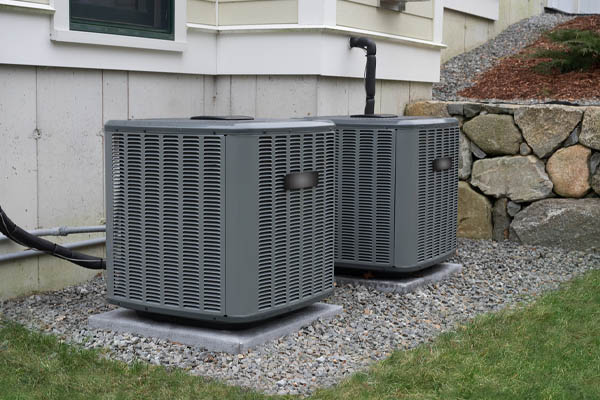
image of an electrical heat pump

Many homeowners prefer to use heat pumps because they have high-efficiency ratings. They also tend to be useful for all seasons. However, there are certain limitations that are associated with heat pumps. At low temperatures, heat pumps do not perform as well and may create an uncomfortable indoor environment. For New Jersey residents, this can be a major concern because of low temperatures during the winter months.1 As a result, homes in NJ require a heating system that can combat the frigid weather.

There are also certain types of heat pumps that require a network of HVAC ducts. This can be a costly inconvenience, thanks to the higher cost of installation, along with the time that the project will require for completion. In New Jersey, there is a number of older homes that do not have ductwork. For these homes to accommodate a ducted system, they will have to be retrofitted. This requires plenty of work since walls and ceilings have to be taken apart and rebuilt, costing the homeowner about $6,800 to as much as $12,400.2

And then there is the electrical system. Older houses often do not have the kind of system that can accommodate heat pump power requirements. To increase the home’s electrical capacity, it has to be upgraded. The cost of this upgrade can range from $4,000 to around $7,000.3 These figures simply do not help the argument for electrification.

For those who are still interested in converting their current system to a heat pump, Point Bay Fuel specializes in heat pump services. Be sure to click the button below to learn more.

Explore Fujitsu Ductless Systems Call To Schedule An Estimate

Using Electric Water Heaters in Place of Fuel-Based Water Heaters

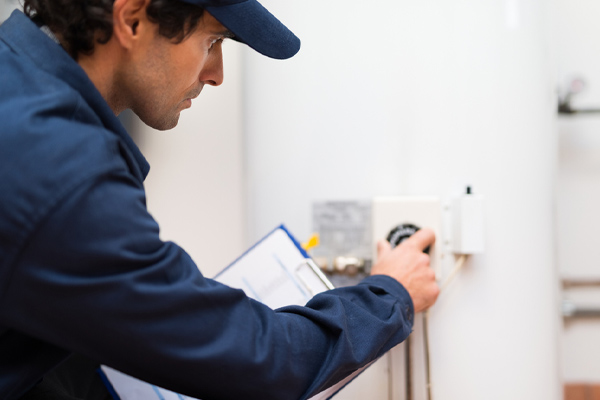
plumber installing an electric water heater in nj

Water heaters are a necessity in every home. With warm or hot water on tap, certain chores are simply easier, including bathing, cleaning, and cooking. The type of fuel that home heating systems use is generally the same type also used for many types of water heaters. Because they cost less, many households rely on heating oil, propane, or gas water heating systems.

If you are thinking of complete electrification, you will have to install an electric-powered water heater. The expected cost for this project is around $4,000 to pay for materials and labor.4 If you happen to have a large home, you may require several water heater units, which means you will have to pay more for materials and installation costs.

And then there is the issue of existing water heater/s. If it happens to be installed in an area that the technician will find difficult to reach, expect to spend more on labor. Most contractors may charge up to $500 to do the job. Since you will be buying a new unit, you may have to pay for an extended warranty as protection. Add up the cost of permits, electrical work, carpentry, and expansion tanks and you might have to pay $3,000 more. Finally, there’s the cosmetic repair to be done in case some parts of your home have to be removed or destroyed in the process of installation. This can include retiling of your bathroom and drywall repairs.

Call Today: (732) 349-5059

Switching to an Electric-Powered Stove

Electric stoves require 240V of power while gas stoves only use 120V. To make the safe transition to electrification, you will have to hire an electrician for the job. The electrician will install a receptacle close to the stove that is compatible with its voltage requirement, then connect new wires to the receptacle from the nearby circuit breaker. You likely will pay at least $400 for this job, depending on the configuration of your kitchen.5

On the one hand, electric stoves allow you to have precise control of the temperature and they are easy to clean. However, gas stoves heat up food faster and are more durable. If you happen to live in an area that experiences frequent power outages, then electrification may not be the best option. However, if you have made up your mind about converting, then make sure you have access to alternative cooking solutions in case of emergencies.

Getting the Charging Station Set Up for Your Electric Car

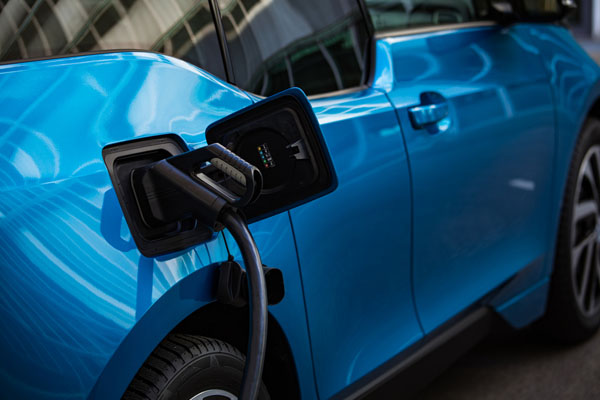
electric car charging station in new jersey

Once you purchase an electric vehicle, you will have to make several changes to your electrification system. To ensure that your electric car is ready at any time, it has to be charged regularly. This requirement is best accommodated by setting up your own EV charging station. An electrician will charge an average of $750 for the job, depending on the type of the unit and the complexity of the setup.

Level 1 or basic chargers are the most affordable. However, they are also slow. Most of these chargers can be plugged directly into any standard socket running on 120V. Level 2 or advanced charging stations cost more to buy and install but they will charge up the vehicle more quickly. Expect to pay just under $2,000 for this type of installation.6 Finally, there is the cost of charging the car. If you use it regularly or on a daily basis, you might have to charge your EV every night. The cost will depend largely on how many miles you have traveled that day.

Switching to Electric Dryers

image of an electric clothes dryer

Electric dryers and gas dryers work by generating heat to dry clothes. If you want to use an article of clothing immediately after laundry, a dryer is the better option compared to air drying. Gas dryers do not use as much energy as electric dryers, which is why many people prefer them.7 Bob Vila states that on average, gas dryers cost only 15 to 25 cents a load. Electric dryers, on the other hand, will cost around 30 to 40 cents for each load.8 For long-term savings, gas-powered dryers are still the way to go.

If you still want to switch to an electric dryer, of course, you will have to buy a new unit. Electric dryers have a power supply requirement of 240V, which means you will need an electrician to install a compatible socket in your laundry area. Your electrician will likely charge from $250-$1,000 for the job. If you have a smaller electric dryer, it will probably only require a standard low-voltage socket but with the limited power capacity, you may not expect the same performance.

Call To Make An Appointment

Getting Gas Disconnected

Once you switch to an electric-powered dryer, then your gas supply has to be disconnected. A contractor can do this for you. They will identify the location of the shutoff valve that connects to the gas pipe that runs through a wall. The valve has to be turned off to stop gas from flowing so that the tubing can be disconnected. The contractor will then cover the valve to protect it from dirt.

If you do not have a compatible outlet, an electrician can help you with this issue. This is a fairly easy project for your electrician and you can expect to pay around $350 for it. However, the length of time it will take for the job to be completed will depend on certain factors. If you have a drywall that is in the way, for example, could slow down the job. As a result, you could pay upwards of $1,000 for installation and subsequent repairs.9 Your home might also require a breaker panel that has a higher capacity, which will add to your cost. If you want to know how much to expect for this project, make sure to ask your electrician for a quote before agreeing to any project.

Electrical Service Upgrade

upgrading electrical service in new jersey home

Older homes in New Jersey usually have a 100 amperes electric service rating. This should be sufficient for most appliances but if you will switch to an all-electric home, you will have to upgrade your system to 200 amperes. At this rate, you can run multiple appliances simultaneously without worries.

For the installation and the box, you are looking at spending around $750-$2,000. The cost can go higher if the project requires a new circuit breaker, wiring, and permit. If you have the skills and knowledge to do the job, you could save a lot if you could do it yourself. Or, you could simply look for an electrician who charges a lower hourly rate. However,r if a major overhaul is required for your electrical wiring, expect the cost to go as high as $4,500.10


The Master Energy Plan: Obstacles & Consequences

With environmental awareness at the top of everyone’s minds, more and more people are looking for ways to utilize clean energy. Like many states in the U.S., New Jersey is pushing for this option as well. By 2050, the New Jersey Energy Master Plan is aiming to achieve 100% clean energy. Although there is full support from the residential energy industry, the plan has limitations and consequences that should not be ignored. New Jersey’s families must know what they can expect if the Energy Master Plan is implemented, especially since it will also impact many aspects of their lives, including their finances.

Why You Should Take Action Today

It’s time that your opinion is counted. Let your local senator know what your concerns are and what they can do about it. Click the button below.

Click Here To Take Action Against The EMP

1. Significant Upfront Costs That Are Unnecessary

When you switch from gas power to electric power for your heating and cooling, know that it is going to be an expensive step. However, there is more than just the price of the appliances and equipment – there are also hidden costs. When you add all of these up, the figure can be staggering. By their estimate, NJ contractors believe that the cost of converting to a heat pump is a minimum of $20,000 for the entire house. Once you decide on the electrification of water heaters, dryers, cooking stoves, and other major appliances, the cost can climb even higher. Most households simply cannot afford this upfront cost and those that can will likely still look for better and cheaper ways.


2. Unmanageable Expenses

Gas- and oil-powered appliances are more financially sensible in that these types of fuel are cheaper compared to electricity, based on the current consumption rates in the state. Once households begin shifting towards electrification, the demand for power will push the costs higher. This likely will be a major issue during winter when every household will need to use their heat pumps 24/7. A better option would be to have multiple low-carbon solutions aside from electrification. This will also help ensure that prices are regulated and that clean energy is made available to more homeowners.

Call Today: (732) 349-5059

3. Strain On The Electric Grid

Heat pumps are built efficiently but they do require a lot of power to run. When electric heat pumps are the sole heat source in winter, the spike in demand will strain the power grid.11 To ensure that the grid is ready, major infrastructure upgrades are required, which will, in turn, require enormous investments. However, even with upgrades, heat pumps may not generate enough heat during extremely low temperatures. This is why there is a need for other types of heating options to be made available.

We certainly do not want the power outage that occurred in Texas in early 2021. This happened mainly due to increased power demands that resulted in rolling blackouts. During the 2021 winter storm, Texas counted 111 fatalities.12

4. Missed Opportunities

According to SmartHeatNJ.com, the U.S. Energy Information Administration (EIA) claimed that about 13% of American households use electricity to meet their heating needs.13 At 75%, natural gas is still the popular choice, with petroleum products at 10%. These numbers suggest that New Jersey’s plan to achieve complete electrification in less than 30 years is going to require plenty of work. The switch may even be unnecessary, thanks to the availability of zero-carbon and low-carbon options such as Bioheat fuel and renewable natural gas. These options also have lower emissions and do not require costly conversion of equipment.


Conclusion

If we must make the switch to a sustainable future, then we must navigate the issue very carefully. Many solutions seem obvious initially but they may be problematic over the long term. The NJ Energy Master Plan requires a costly transition from gas to electric for heat pumps – something that many families are not likely to afford. There is also the issue of the cost of energy consumption which could prove difficult to afford for households that are struggling financially. It’s about time we find ways to explore other options to give people better and more viable means to enjoy clean energy.

Take Action Now

1. Weather in New Jersey: Climate, Seasons, and Average Monthly Temperature ↩
2. Comparative Energy Use of Residential Gas Furnaces and Electric Heat Pumps ↩
3. Op-Ed: The big and costly flaw in Gov. Murphy’s Energy Master Plan ↩
4. How Much Does Water Heater Replacement Cost? ↩
5. Should I Convert My Electric Stove to a Gas? ↩
6. How Much Does An Electric Car Charging Station Installation Cost? ↩
7. Can A Gas Dryer Be Converted To Electric? ↩
8. Choosing a New Appliance: Gas vs. Electric Dryers ↩
9. I Want to Replace Gas Clothes Dryer with an All-electric One. Who do I Contact about Disconnecting Gas? ↩
10. How Much Does it Cost to Upgrade to a 200 AMP Service? ↩
11. Why does the electricity grid have to stay in balance? ↩
12. Texas Tribune: At Least 111 People Died In Texas During Winter Storm, Most From Hypothermia ↩
13. Inside the Energy Master Plan ↩

The post The Hidden Costs Of Electrification – Things You Need To Know! appeared first on Point Bay Fuel.