Monday, July 18, 2022

Why Is My House So Humid?

image of a homeowner feeling sweaty due to high humidity levels

When it comes to being comfortable in your home, the temperature is not the only consideration. Humidity levels are important, too. When there is too much moisture in the air, you and your family can start feeling uncomfortable.  During the summer, when you want to cool down, you will feel hot and sticky. Some people are especially vulnerable to high humidity. In this article, we answer the question, “Why is my house so humid?”,  and offer some solutions to the problem.

Explore Our HVAC Services Call To Schedule An In-Home Consultation

Reasons For A Humid Home

The amount of moisture in the air is an important factor for your house as well as your own well-being. When humidity levels are too low OR too high, it causes problems. There are a few different reasons for high humidity in a home. It could be due to property damage or poor house design. Environmental factors also play a part in humidity levels. Air conditioning equipment that is faulty or not right for your needs can be at fault as well.

How High Humidity Affects Families & Their Homes

woman experiencing asthma attack due to poor indoor air quality

When the temperatures soar our bodies sweat and the sweat evaporates on the skin which helps us cool off. When there is too much humidity in the air, sweat doesn’t evaporate the way it should. The temperature may not be extreme, but, as mentioned above, the moisture in the air can make you feel too warm and also sticky. Because your body feels too hot, it continues to produce sweat in order to cool off. Your body loses water and electrolytes.

High humidity can cause problems with your family’s health. This is because bacteria thrive in areas where it is hot and humid. Bacteria, mold, dust mites, and mildew are attracted to moisture. Allergies and breathing issues often result, especially for those who are susceptible to them.

Call Today: (732) 349-5059

How To Recognize The Signs of High Humidity

If you know what you are looking for, you can pinpoint the signs fairly quickly. In fact, it is likely that you have seen the signs without realizing what you were looking at. Here’s what you need to look for when it feels humid in your home:

1. Peeling Paint

Moisture can gather all over the walls in your home. Too much humidity can cause wallpaper and paint to wrinkle up or form bubbles. Painted walls often peel because of the moisture.

2. Condensation

signs of high humidity

When the weather is colder, moisture in the air turns from a gas into a liquid. You can see the effects around and on your windows. There may be liquid on your window panes and your windows may fog up as a mirror does when you take a warm shower. Condensation collects on metal doors, too.

3. Dark Spots On Surfaces

Inspect the surfaces in your house. If there are dark spots on walls, floors, counters, or appliances, it is a sign that mold and mildew are beginning to grow there. Mold is usually black or dark green in color. Your basement, bathrooms, attic, and kitchen are all subjected to higher amounts of humidity.

Call To Schedule A Consultation

4. Wet Stains

The ceilings and walls in your house may have stains caused by moisture. If the colors vary, take a closer look to see if the problem is wet stains. This is another sign of too much humidity.

5. Constantly Sweating

When you feel as though you never stop sweating and the sweat just sits on your skin, it is an obvious sign of excess moisture in your house. If temperatures are moderate to low and you still feel hot, humidity is probably the problem.


Why Humidity Levels Rise

1. Normal Day-to-Day Activity

image of a homeowner taking a shower adding to high humidity levels indoors

Whenever you use water, such as for taking showers or baths, washing dishes and clothes, and cooking, some of the water you use will evaporate and turn into water vapor. The water vapor makes humidity rise. However, if the house is designed well and there are no other issues, the humidity from everyday activities diminishes.

Get Started - Click Here To Call Point Bay Fuel

2. Your Home May Have Poor Ventilation

It is important for there to be ventilation in all areas that gather high amounts of moisture. This way, humid air moves out of the home instead of hanging around inside. Windows throughout the house, exhaust fans in bathrooms, and ceiling fans are all good ways to move moist air.

3. You Have Leaks In Your Plumbing

leaking faucet

When there is too much moisture in your home, it can be caused by leaking through your roof or in your plumbing. If you know there are leaks or even suspect it, contact a roofer or plumber who can find the source of the problem and deal with it.

4. Your Air Conditioner Is Too Big

Air conditioners are supposed to be matched to the size of your home. If your air conditioning unit is bigger than it needs to be, it cools and shuts off too quickly to take humidity out of the air. If this is the reason for the excess moisture, you will need to have your HVAC system replaced. You will keep facing high humidity levels until you deal with your oversized air conditioner problem first.

Learn More About Our Cooling Services Explore Our Case Studies

5. Moisture Seeps From The Ground Into Your Home

Water can get through walls and condense on basement floors. If your basement floor is suspiciously wet, ground moisture could be the reason. You can help stop the problem by providing better ventilation and waterproofing your home.

What Is The Right Amount Of Humidity For Your Home?

image of question marks depicting what is the right humidity levels for a homeAllergens and other pollutants multiply in places with excessive humidity. When you are able to control the amount of moisture in the air and keep the indoor humidity levels in the right zone, allergens and pollutants reduce rather than multiply. This is beneficial to your family’s health. Perfect humidity makes for perfect comfort. You will feel cooler and won’t feel as though you are always perspiring. The right levels of humidity make a home much more comfortable.

Call To Make An Appointment

What If The Humidity Is Too Low?

When there is not enough moisture in the air, your skin may be dry, your eyes may be dry and sore, your sinuses can act up and you can suffer from nasal congestion. Dry air causes wallpaper to peel and plants to wither away. The beautiful hardwood floors can begin to separate and crack. When the air is too dry for weeks at a time, your wooden furniture can start to crack and separate as well. You can buy an indoor thermometer to measure the temperature as well as the amount of humidity inside your house. When you are certain of what the problem is, it is easier to change the environment and keep humidity levels in the perfect range.

Decreasing Humidity Levels In Your Home
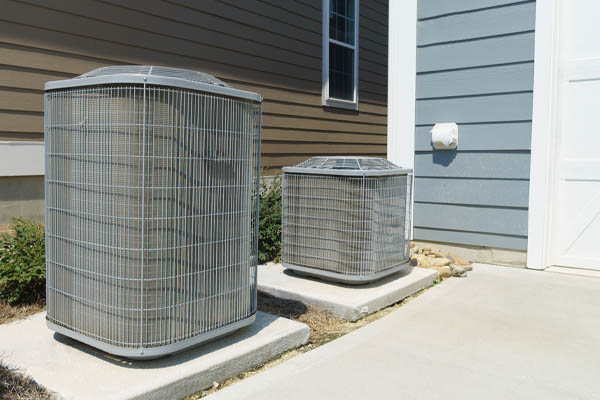
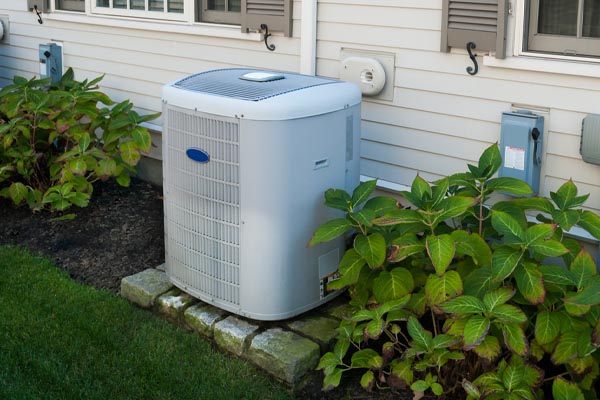
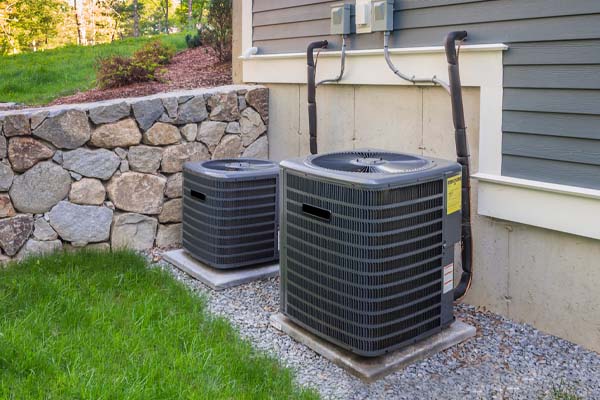
image of a central air conditioner compressor


  • Dehumidifier: Dehumidifiers take the moisture from the air. You can purchase different sizes to accommodate the size of your home. If necessary, you can purchase a dehumidifier that works for the entire house.
  • Ventilation: The areas with the highest levels of humidity, such as the bathroom and kitchen, are especially vulnerable to problems caused by moisture. Use an exhaust fan in the bathroom and open windows to keep the air moving.
  • Weatherstrip Your Home: You can keep the humidity outside from going inside with weatherstripping. Weatherstripping seals the edges around your windows and doors. You may want to use a caulk around your bathtub, toilets, and sinks.
  • Insulation: Simply adding more insulation helps to keep the air outside from getting inside and vice-versa.
  • Air Conditioner Size: An HVAC team can tell you if your air conditioner is the correct size for your needs. They may need to replace air conditioning units. Doing this can save money as well as lower humidity levels.
Get Started By Scheduling An Appointment Today!

Conclusion

Many families are putting up with too much humidity. When you take certain measures to combat the problem, you are protecting your family as well as your home. If the advice above is not enough, contact HVAC experts. HVAC techs can determine causes, devise solutions, and service your home at affordable prices.

Contact Point Bay Fuel For HVAC Assistance

Point-Bay-Fuel-Logo

Point Bay Fuel supplies the best in cooling and heating in Ocean and Monmouth County, New Jersey. Our highly experienced certified professionals are happy to assist you with all of your HVAC needs. We perform installations, tune-ups, repairs, replacements, and more. Our technicians offer knowledge, experience, and satisfaction.

Point Bay Fuel offers its services at competitive prices. We can keep you comfortable, make your home more energy-efficient, and lower your costs for heating and cooling. If you need a repair or need your HVAC system replaced, we can provide you with quality service at reasonable prices. Our service offers a guarantee of satisfaction and in-home estimates. Contact Point Bay Fuel and schedule an appointment today!

Call Now: (732) 349-5059 Read Our Testimonials

Contact us now by calling (732) 349-5059 to speak to one of our home comfort specialists!

The post Why Is My House So Humid? appeared first on Point Bay Fuel.

Monday, July 11, 2022

Air Conditioner Makes Loud Noise When Starting

young homeowner covering ears due to air conditioner making noise when starting

It should not surprise you to hear sounds coming from a machine. No home will be completely silent because there is usually something running in every home, like a fan, a fridge, a washing machine, or a dishwasher. Even an air conditioner unit will emit a sound when it kicks on and starts cooling your home. However, if your air conditioner makes loud noise when starting, that’s a sign of trouble and you should investigate it. It could be a symptom of a serious air conditioner issue. This article addresses some causes as well as the solutions for loud air conditioning units.

Explore Our Air Conditioning Services Call To Schedule An In-Home Consultation

Why Does My Air Conditioner Make A Loud Noise When It Starts?

When an air conditioner is starting it should do so somewhat quietly. Different noises can mean different problems with the unit. Each sound can point to a single issue that should be addressed. Call a qualified HVAC technician for help should you hear your air conditioning unit produce unusual sounds.

Various Air Conditioner Noises & Their Causes

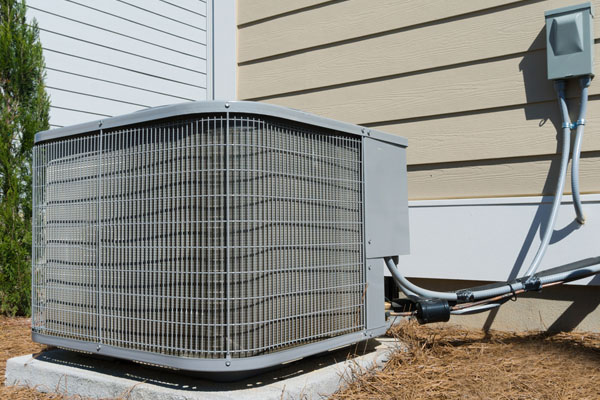
image of an air conditioner compressor that is loud when starting


1. Air Conditioning Unit Is Clanging & Banging

The outdoor unit uses a blower motor to move air around. When the blower is damaged, it might start to make clanging or banging sounds. Parts can move out of place and hit against the cage. Debris, thermal expansion, or damper movement could also be causing this noise.

Call Today: (732) 349-5059

2. Air Conditioner Makes A Screeching Sound

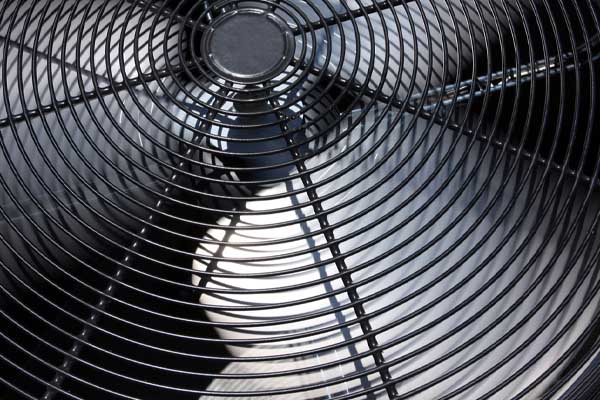
image of an air conditioner fan that is making noise

If it sounds like metal grinding on metal, you possibly have broken bearings in your fan motor. While it is not an emergency, you should call an HVAC technician and have them repair it soon.

3. Air Conditioner Starts Clicking

A clicking sound likely indicates an electrical issue. If you try to start the unit but the air conditioner doesn’t turn on, it could be in the wiring. This problem should be turned over to a professional HVAC contractor who can focus on repairing the capacitor, compressor, or thermostat.

Learn More About Our Cooling Services Call To Schedule A Consultation

4. Cooling System Is Pulsating

A quiet pulsing sound happens when air flows through a cooling system. However, a pulsating noise that comes from the outside AC unit should never be able to be heard inside. If you do hear that sound, you should check your outdoor unit for twigs or broken fan blades.

5. Air Conditioner Makes Whirring Sounds

image of an air conditioner compressor repair

This kind of noise likely results from mechanical problems and may come from either the indoor or the outdoor part of your unit. Commonly, this sound will be traced to a broken belt or faulty blade, or it may be bearings going bad or fan motor failure. Turn the unit off right away and call your technician for air conditioner repair work.

6. Air Conditioner Makes A Buzzing Or Humming Sound

If the outside air conditioning unit starts an audible humming, check for debris trapped in it. Leaves, twigs, or branches may have slipped through the holes into the unit. Remove any debris that has found its way into the case. Buzzing may also indicate a fan that’s starting to go bad.

Learn More About Our Cooling Services Explore Our Case Studies

7. Air Conditioner Is Making A Rattling Noise

Rattling is usually from loose air conditioner parts because of vibration. Test all the screws and bolts in the unit and give them a quick tightening. Call an HVAC contractor to come and clean all the coils and replace your air filter. Always call an HVAC company for a yearly air conditioner maintenance visit.


Common HVAC Contractor Repairs For Noisy Air Conditioning Units

1. Coil Fins Need Cleaned & Straightened

Keep coil fins clean if you want to improve both performance and efficiency. You can call an HVAC contractor to schedule an annual air conditioner unit tune-up. They will have a fin comb that can straighten coil fins and will also bring a vacuum that has the right brush extensions to get every bit of dirt from the area.

2. Tighten Up Any Loose Screws In Your Air Conditioning System

Because an AC unit has a lot of moving parts, an air conditioner will likely vibrate while it’s running. This can cause fasteners to loosen over time. After a while, rattling may be heard every as soon as it switches on. Routine HVAC maintenance will include tightening up the unit’s screws.

3. Clear All Of The Debris From The Blades

Open up your air conditioning unit’s cabinet to inspect the interior. If you find debris, remove it from the system. Pay attention to foreign objects anywhere near the fan blades. This quick and easy task is something any homeowner is able to do.

Call To Make An Appointment

4. Straighten Bent Blades

After removing all the dirt and debris, you need to check the blades for any abnormalities. Uneven blades need to be gently put bent back in the correct shape. Reach out to your HVAC contractor if you find bent blades as a tech can perform this task correctly to ensure smooth operation.

5. Lubricate The Air Conditioner Motor

Screeching sounds often indicate a need for lubrication in the motor. This can be done with tune-up service, and regularly oiling the right parts will prevent issues from occurring at all. The HVAC tech knows the proper oil to apply and where to apply it. Also, they can add oil to ports located below the fan’s motor.

What To Do If An Air Conditioner Gets Noisy

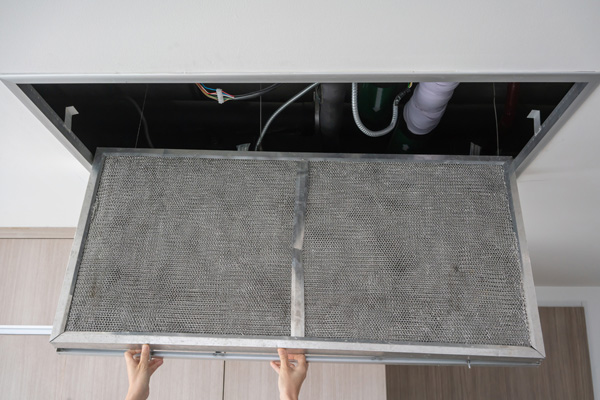
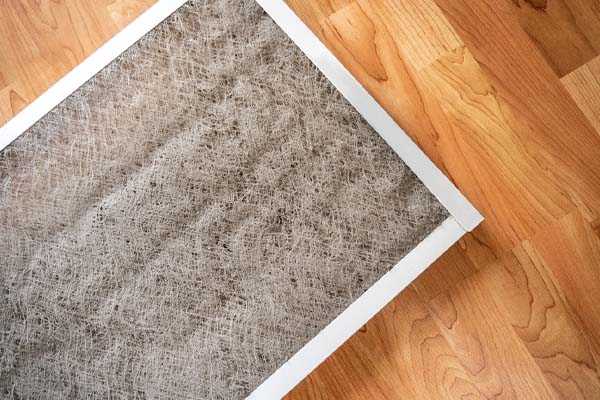
image of a home air filter replacement

First, check the unit’s outdoor fan and inspect the entire unit. The condenser fan is found at the center of an outdoor unit. If it still rotates, watch how the blades spin. Any signs of it being even slightly off-balance could indicate there’s debris inside the casing. Look over all the coils and check the refrigerant piping, too. If you have concerns about handling this yourself, call on a professional.

Next, you should change the HVAC air filters, which is an important task for all homeowners. An HVAC unit will not run well if its filters are clogged. The unit will be struggling, inefficient, and may make a humming sound. Inspect your air filters monthly. Replace them when they need it.

After this task, you should be sure to clean the outdoor unit because it is vulnerable to the elements around it. Dirt, debris, and insects can get in through the vents. For safety’s sake, be sure you turn off the unit before you ever open the case. Take off the top grill and carefully remove fallen objects. Don’t forget to close it when you finish.

Learn More About Our Cooling Services Call To Schedule An Appointment

After cleaning your unit, turn the air conditioner back on to see if the fan has started to spin again. If it still is not able to move, jumpstart it using a stick to carefully push the blade, which will create some momentum. If the blade begins to spin, the problem likely lies in the run capacitor.

Sometimes the problem is indoors, not in the outside unit. Once you finish your inspection, you should look at the indoor air handler. Look for ice build-up and see if it has any bent coil fins. Turn off the power so it thaws. Let the unit dry before you start it again.

There are things that a homeowner can do to prevent air conditioner problems or to stop some of the typical noisy issues. But there are limits to what individuals without training are able to do. If, after doing everything listed here, you can still hear noises, call an HVAC professional and ask for help.

Preventive Measures For Air Conditioner Starting Problems

image of point bay fuel van depicting hvac services

Here are some preventive measures you can take for air conditioner starting problems:

1. Install A Noise-Reduction Barrier

A noisy air conditioner makes it harder to focus on daily tasks. It even disrupts sleeping patterns. Help prevent this by putting up a barrier that will reduce the noise. Noise-reducing fences or sound blankets help with this. Before anything, talk to an HVAC contractor to see what will work best for your unit.

Get Started - Call Point Bay Fuel Today

2. Schedule HVAC Maintenance at Regular Intervals

Yearly air conditioner maintenance will help keep your air conditioner running well. With trained eyes, HVAC technicians are able to find problems when they start. They then are able to intervene with quick solutions to prevent any problems from growing worse. Have an air conditioner contractor conduct annual thorough cleanings to reduce the likelihood of loud air conditioner noise from developing.

3. Rely On a Good HVAC Expert

Call an experienced HVAC contractor immediately if you hear unusual air conditioner noises. Ignoring them is unwise as they can evolve into a worse problem quickly. It is more affordable to repair a minor cooling system problem than it is to find solutions for a full-blown AC system failure.


Conclusion

You should pay attention to what your air conditioner unit sounds like as it can tell you when something is not working right. Manufacturers try to create units that will minimize noise. Note what’s normal by listening to your AC. As soon as something seems off, you should investigate it. Turn to a capable professional technician who is able to provide more advanced repairs.

Call Point Bay Fuel For Any HVAC Repair Requirements

Point-Bay-Fuel-Logo

For superior heating and cooling services in Ocean and Monmouth County, New Jersey, call Point Bay Fuel. Our team is made up of the best-certified technicians who offer excellent HVAC tune-ups, repairs, installations, and more. You can count on our techs to bring their knowledge and skill when servicing your HVAC system.

We are proud to offer competitive heating or cooling service costs. Our maintenance services will keep you comfortable, improve energy efficiency and reduce the heating and cooling costs for your home. If require HVAC repair or need a replacement system, let one of our skilled techs recommend the best solution for your situation while staying within your budget. We back up our work with a satisfaction guarantee. Call Point Bay Fuel today and be sure to inquire about an in-home consultation.

Call Now: (732) 349-5059 Read Our Testimonials

Contact us now by calling (732) 349-5059 to speak to one of our home comfort specialists!

The post Air Conditioner Makes Loud Noise When Starting appeared first on Point Bay Fuel.

Tuesday, July 5, 2022

Top 8 AC Tips For Homeowners

image of the word tips depicting ac tips

When air conditioner maintenance is completed on a regular basis, it improves the performance, safety, and efficiency of your cooling system. In addition, it helps you avoid large A/C repair bills and discomfort by preventing the unit from breaking down when the weather is hot. Furthermore, you will pay far less on your home energy costs, while enjoying a higher level of comfort. The trick is to know which AC tips to follow. In this article, we share some valuable advice on how to keep your air conditioner in great shape.

Explore Our Air Conditioning Services Call To Schedule An In-Home Consultation

Best AC Tips For Better Comfort & Efficiency

The following are eight beneficial maintenance tasks you can complete during spring and summer:

1. Replace The Air Conditioner Filter

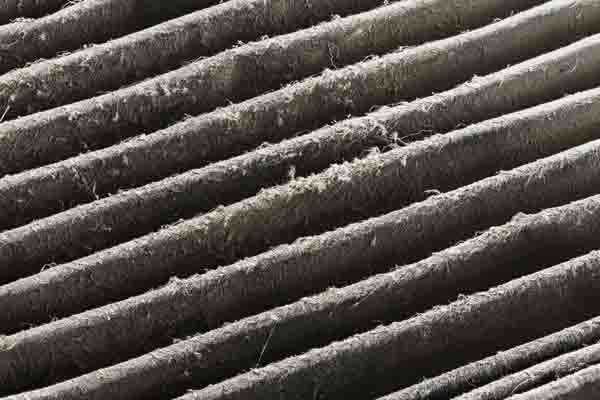
image of dirt on air conditioner air filter

Once a month, examine your HVAC air filters. If it appears to be dirty, then be sure to replace it. As a minimum standard, each filter requires a replacement every 90 days. If the air quality in your home contains a substantial amount of dust, the filters may need to be changed more often. Replacing the filters enhances the air quality, reduces energy consumption by as much as 2/5, and helps the air-conditioning unit last longer.

Call Today: (732) 349-5059

2. Use Only High-Quality HVAC Air Filters

You would be surprised at how many air conditioning issues stem from a lack of HVAC replacements or the use of poor-quality filters. Where it concerns your HVAC system, always use well-made, high-quality filters. Choose from reputable brands. Always obtain pleated or baffled filters. Those who choose electrostatic filters experience better results. These filters intercept particularly small pieces of dirt and dust. You should also consider purchasing a HEPA filter which offers a significant number of benefits to those with asthma or respiratory allergies. Purchase multiple air filters simultaneously in order to save money.

3. Clean Your Air Conditioning Vents

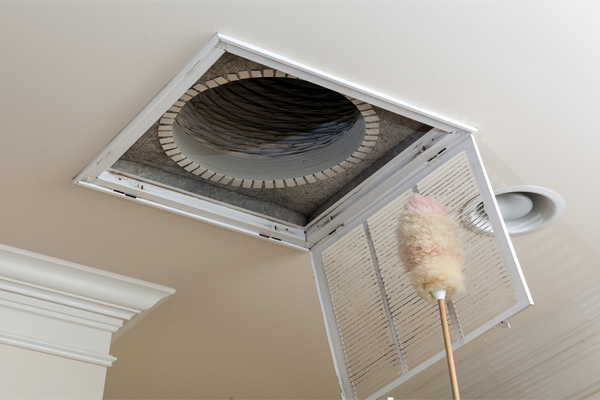
image of a homeowner cleaning hvac vent

To maximize efficiency and improve indoor air quality, clean the air-conditioning air vents inside your home on a regular basis. Make sure to remove debris or dust that has accumulated on the surface of these vents. For best results, perform this task at least once every 30 days.

4. Open the HVAC Unit’s Registers

Make sure at least four out of five indoor air conditioning vents are opened on a regular basis. Many individuals close registers in unoccupied areas of the home in order to reduce maintenance needs and conserve energy. However, closing off too many registers creates many issues. For example, it may cause the unit to labor excessively during warm weather. This can have a counterproductive effect on the entire system, costing more in energy costs and HVAC repairs.

Learn More About Our Cooling Services Call To Schedule A Consultation

5. Cleaning Outdoor Air Conditioning Equipment

At least once a week, you should complete an outdoor A/C equipment check. Carefully inspect both the top and sides of the unit. Remove all dead insects, pollen, grass, leaves, and sticks from these surfaces. Routinely completing this task prevents obstructions from lessening the efficiency of your unit, and subsequently wasting energy.

6. Maintain Air Conditioner Clearance Levels

image of an air conditioner compressor and lawn

Do not plant, park or store any objects within two feet of your outdoor air-conditioning equipment. For instance, do not park a wheelbarrow in this area, and refrain from planting bushes or other botanical items near the system. Trim all shrubs and trees before they reach the unit or any of its components. This ensures adequate airflow and promotes safety.

7. Regular Air Conditioner Maintenance

Each spring, you should schedule an air-conditioning tune-up. Service of this type is essential, as it makes your system more energy-efficient and can reduce your electricity consumption by up to 20 percent. Additionally, it will increase the longevity of your air conditioning system.

With regular annual maintenance and tune-ups by a reputable HVAC company, your system may run at top efficiency for up to eight or more years.

Learn More About Our Cooling Services Explore Our Case Studies

8. Using Proper Safety Devices

Even though A/C units are safer than many other types of appliances, it is possible for a faulty system to release harmful carbon monoxide or occasionally spark a fire. For this reason, you should regularly replace batteries in CO and smoke alarms and test devices of this kind before summer arrives. If a test fails, contact a professional and have the faulty equipment immediately replaced.


Conclusion

The aforementioned tasks require some time and effort, as well as a small monetary investment. However, in the long run, completing them will help you save money. Appropriate maintenance also ensures your comfort and protects your health during summer. Whenever your system begins to perform in an abnormal manner, contact an HVAC professional without delay to remedy the problem.

Call To Make An Appointment

For All of Your Heating & Cooling Needs, Call Point Bay Fuel

Point-Bay-Fuel-Logo

Point Bay Fuel is a leading heating and cooling service provider in Ocean and Monmouth County, New Jersey. We only hire competent professionals capable of providing outstanding HVAC tune-ups, repairs, installs, as well as replacements. We ensure that each of our technicians has the skills and experience necessary to service your HVAC unit quickly and effectively.

Point Bay Fuel assures the most cost-effective heating and cooling service in the area. We can help you lower your heating and cooling bills while improving your home’s comfort and energy efficiency. We can suggest the most cost-effective solution for your house, whether you need HVAC repair or a new system installed and maintained. To assure your pleasure, we offer a guarantee on all of our work. Contact the Point Bay Fuel right away to schedule a service appointment. We’ll come to your house and give you a free estimate.

Call Now: (732) 349-5059 Read Our Testimonials

Contact us now by calling (732) 349-5059 to speak to one of our home comfort specialists!

The post Top 8 AC Tips For Homeowners appeared first on Point Bay Fuel.

Monday, June 20, 2022

Why Is My Outside AC Unit Not Running But Inside Is?

image of an AC compressor unit that is not working

Since summer is here, the weather is beginning to heat up. In most areas, it is hot enough to require the use of an air conditioner. You may have tried to switch on your air conditioner just to find that it isn’t running properly. The outside AC unit not running but inside is. This is a widespread issue that can be attributed to a number of different factors. To understand more about your options, keep reading.

Explore Our Air Conditioning Services Call To Schedule An In-Home Consultation

Why Does My Outside Air Conditioning Unit Not Work, While The Inside Unit Does?

Cooling systems have both interior and outdoor components that work together to accomplish the desired results. If one of these components fails, the home will not cool regardless of how long you wait. You can tell if the outside unit is on or not in one of two ways:

1. The Air Conditioner Condenser Produces No Sound

no sound coming from air conditioning unit

The first is that there is no sound. Despite the fact that certain devices are supposed to be silent, they should generate a subtle hum. If you are unable to hear anything, it is likely that the motors and compressors are not functioning as they should be. Call an HVAC contractor, like Point Bay Fuel, right away.

Call Today: (732) 349-5059

2. Warm Air From The Inside Air Handler

Place your palm on the air conditioner’s interior unit. If hot air is blowing in rather than cold air, this indicates that the external unit is not operating correctly. Instead of being cooled by the system, the hot summer air simply travels past it.

Why Has The Fan on My Outdoor Air Conditioner Stopped Working?

This type of air conditioning problem is frequently caused by a fan failure. Although the blades just aren’t moving, the rest of the outside unit appears to be operational. Even if you change the air filters and conduct all of the other recommended HVAC maintenance, there is still a possibility that this will occur. The most common reasons for a stopped-up fan are as follows:

1. Insufficient Power To The Air Conditioning Unit

image of an air conditioner fan depicting a compressor fan not working

Fan motors are powered by electricity. If they do not receive an appropriate amount of power, they wouldn’t be able to spin in the correct manner. In certain situations, it may be difficult to identify the precise inhibitor that is causing the problem. In order to obtain an accurate diagnosis, it is best to get in touch with an experienced HVAC technician.

2. Air Conditioner Contactor-Related Issues

The air conditioner fan motor’s control is handled by the contactor. This cooling system component’s failure will cause the blades to cease rotating. You should not try to remedy this on your own since you may end up making matters worse. If you’re looking for a proper solution, consult a professional HVAC contractor.

Learn More About Our Cooling Services Call To Schedule A Consultation

3. An Air Conditioner Fan Motor That Has Burnt Out

Overworking cooling system motors might cause them to burn out. They also wear out over time, with systems that are not maintained properly experiencing this wear and tear earlier. HVAC tune-ups, such as air conditioner maintenance, should be performed on a regular basis since they are essential for spotting issues in their earliest stages and preventing costly air conditioner repairs down the road.

4. Faulty Air Conditioner Capacitors

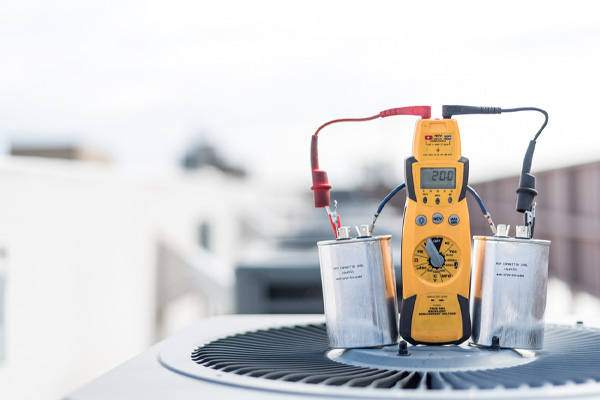
multimeter and run capacitors of an outdoor air conditioning unit

Outer AC unit fans can also fail as a result of air conditioner capacitor issues. These components are responsible for storing energy so that the blades can continue to rotate. They act similarly to batteries in that with repeated usage, they gradually lose their capacity to store energy. They might also be harmed by high temperatures and electrical surges. The fan will not be able to run if a capacitor fails.

To determine whether or not this is the cause of the issue, you may test the fan grate by passing a long wooden stick through it. Make use of this to give the blades a light push in order to spin them. If you notice that these blades begin to rotate, then you are most likely dealing with a faulty capacitor. Even if you restart the process, the fan won’t operate after a certain amount of time. Due to the high voltage and delicate nature of the electrical components involved, the replacement must be left to the experts.

Get Started - Click Here To Call Point Bay Fuel

5. Dirt on the Air Conditioner Axle

It is expected that the force you apply to the stick from the outside will be sufficient to set the blades in motion. If you are experiencing difficulties with this, you should examine the fan axle for any debris. There’s a chance that dirt got into the bearings of the engine. To ensure that there are no obstructions to the movement of the components, you should have a professional remove and clean them. Better yet, call an HVAC contractor to perform a thorough cleaning of your air conditioning unit.

What Should You Do If the Entire Outdoor Air Conditioning Unit Is Not Working?

image of point bay fuel van depicting hvac services

In rare instances, the air conditioner fans are not the only components that have entirely lost their operational state. The entire outside device does not function at all. Homeowners often find themselves in over their heads with this problem, which often necessitates the assistance of a professional. Because a broken air conditioner in the middle of summer is an inconvenience that no one likes to deal with, you should take prompt action to have it fixed. Let’s investigate all of the reasons that this unexpected failure in the air conditioning system may have occurred.

1. Adjustments To The Thermostat

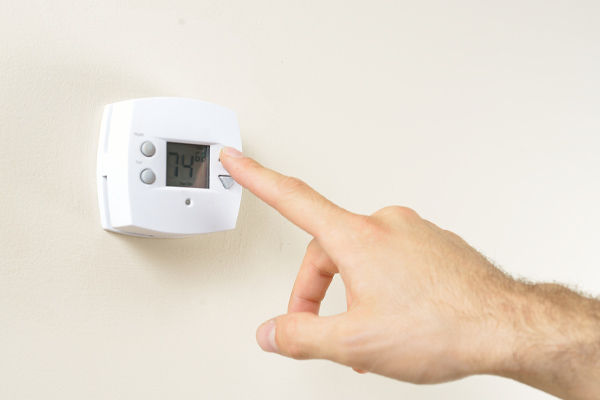
image of hand adjusting thermostat due to air conditioner outside unit not working

Before delving into the worst-case situations, it is important to double check the fundamentals and ensure sure that the system is configured appropriately. Start by adjusting the temperature on the thermostat. It’s possible that the wrong buttons were pushed by someone, which led to the temperature being set excessively high. Try lowering the temperature setting and see if it helps. You may realize that the thermostat is not even powered. Simply changing the batteries will get it back up and running.

2. A Filthy Outdoor AC Compressor Unit

If the outside AC unit gets too dirty, it might cause the compressor to overheat. It’s possible that a heavy layer of dust is what’s stopping the heat from escaping outdoors. Ultimately, the system will shut down if it is no longer able to cope with the current conditions. Conduct a thorough inspection of the unit to determine whether or not dirt and debris have accumulated to an unacceptable level. Before cleaning, unplug the unit from the power source. Even better, get a professional HVAC contractor to take care of it for you.

Learn More About Our Cooling Services Explore Our Case Studies

3. Air Conditioner Safety Switch Lock

When they detect a potential threat, cooling systems are equipped with safety switches that lock the exterior unit. They may be made operational once more by performing a reset. You may accomplish this by switching off the system using either the thermostat or the circuit breaker. Turn it back on after you’ve waited for about a minute, and check to see whether it’s functioning normally. If not, further troubleshooting will require the assistance of a specialist.

4. Circuit Breaker Has Been Tripped

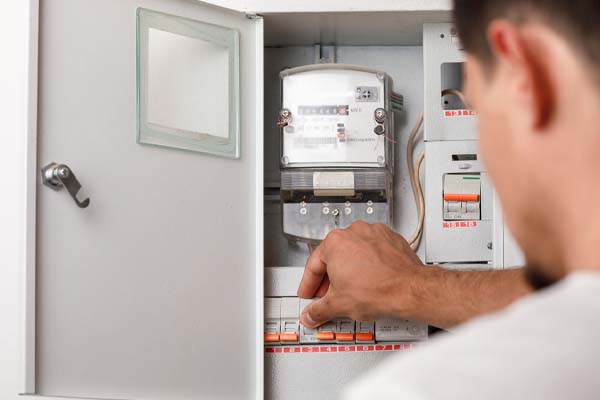
image of a circuit breaker that controls air conditioning system

In the event that there was a thunderstorm recently, the power surges that occurred may have caused your circuit breakers to overload. Your circuit panel can reveal if any of the breakers have been tripped. Before you try to switch them on, be sure they are off. In older homes, you can find that the fuses in the fuse box have blown. Those fuses need to be replaced. If your air conditioner’s shut-off box has a fuse, have a professional replace it. Even when steps are made to normalize the issue, the breakers may trip frequently at times. This indicates that there is a more significant issue with the electrical system, which can only be fixed by a qualified electrician.

Call To Make An Appointment

5. Air Conditioner Compressor Failure

The most critical part of any air conditioner is the compressor. It pumps the refrigerant through the system at the correct pressure. In the event that it fails, the air conditioner will lose its capacity to cool the air within the home. As soon as you switch it on, you will be able to tell whether it is failing since it will either stutter or make a loud noise. In the end, it will be impossible to get it to switch on at all. Repairing this will be quite expensive. It is possible that you may need to upgrade the entire air conditioning system.


Conclusion

When the inside unit appears to be functioning normally, it might be confusing to notice that the outside unit is not operating. Oftentimes, normalcy may be restored with minimal effort after a brief inspection identifies the likely culprit. Alternatively, the issue may be too complex for the average individual to address. Get in touch with a reputable HVAC company as soon as possible and explain the problem. They’ll figure out what’s causing the problem and fix it. When they are done, the air conditioner will function normally once more without any problems.

Call Point Bay Fuel For All Your HVAC Needs

Point-Bay-Fuel-Logo

Point Bay Fuel offers exceptional heating and cooling solutions in Ocean and Monmouth County, New Jersey. We employ certified technicians capable of giving you the best HVAC tune-ups, repairs, installations, as well as replacements. All our techs know every aspect of HVAC repair and maintenance.

Point Bay Fuel guarantees the cheapest service prices around. The comfort and energy efficiency of your house will be improved, while your heating and cooling bills are reduced with the help of our routine maintenance services. We can help you choose the best HVAC system for your home based on what you can afford. To ensure your pleasure, we back up all our services with a guarantee. Contact Point Bay Fuel now to make a service appointment. We provide estimates in the comfort of your own home.

Call Now: (732) 349-5059 Read Our Testimonials

Contact us now by calling (732) 349-5059 to speak to one of our home comfort specialists!

The post Why Is My Outside AC Unit Not Running But Inside Is? appeared first on Point Bay Fuel.

Monday, June 13, 2022

Why The Outside AC Unit Keep Tripping The Circuit Breaker?

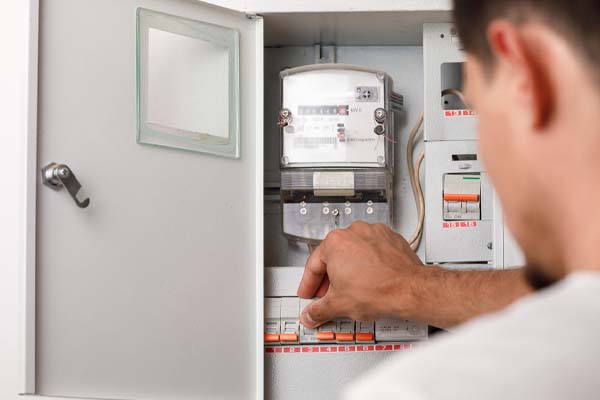
image of a circuit breaker that controls air conditioning system

Electrical issues are troublesome since they can cause the air conditioner to go down completely. Nothing makes people happier than finding comfort in their homes when it’s scorching outdoors. However, when the outside AC unit tripping breaker, anyone would feel distressed, especially if they have no idea what’s causing the HVAC problem in the first place. This article discusses some of the most common causes and solutions for an air conditioning issue like this. It is important to note to call an experienced HVAC contractor right away for assistance.

Explore Our Air Conditioning Services Call To Schedule An In-Home Consultation

The Outside Air Conditioning Unit’s Circuit Breaker Is Constantly Tripped

The air conditioner compressor is located in the outside air conditioning unit. As far as the cooling system is concerned, this is the most vital part. It helps refrigerant circulation by absorbing heat from the interior of the house and directing it outside. The house gradually cools down until it reaches the thermostat setting. At this point, the air conditioner turns off automatically. The operation of the air conditioner compressor demands a substantial amount of energy. The device loses power and becomes inoperable if the breakers trip. Because of the seriousness of the situation, homeowners must give it their whole attention.

Call Today: (732) 349-5059

What Causes Air Conditioner Breakers to Trip?

Several factors can cause a circuit breaker to trip. Keep in mind that this is an automatic safety feature that activates in disaster scenarios. Breakers trip in order to protect the system against short circuits as well as electrical current surges.

They lessen the risk of fire and ensure the safety of connected equipment by halting the flow of power. Previously, electrical systems relied on single-use fuses. Circuit breakers, on the other hand, aren’t quite as delicate. They can be reset to get back to normal functioning. Resets, on the other hand, may not be enough if the circuit breaker keeps tripping frequently. The following will demand additional investigation:

1. An HVAC Air Filter That Isn’t Clean

image of a dirty air filter for an air conditioner causing circuit breaker to trip

Before the breaker trips, how is the air conditioner running? Check the temperature of the machine if the problem repeats. Your air filters are likely to be clogged if you’re experiencing excessive heat. HVAC airflow is restricted due to blocked air filters. The lack of fresh air to cool the system causes heat to build up, to the point where the system can no longer function safely.

Filters that are clogged reduce the system’s efficiency and performance. You’ll be able to tell the difference. Because of this, it is essential to clean reusable filters on a regular basis. Replace disposable filters as needed. A good rule of thumb is to check monthly and clean/replace as needed. The amount of pollutants in the air and the frequency with which the AC unit is used determine the precise schedule.

Learn More About Our Cooling Services Call To Schedule A Consultation

2. Dirty Air Conditioner Condenser Coils

Apart from the HVAC filters, dust and other airborne contaminants can cause the condenser coils to become dirty. It’s possible that the dirt layer will build up to the point where it works as an insulator. This keeps the coils from releasing heat outside. In the worst-case situation, the system could overheat due to an electrical short. The system may continue to function in less severe circumstances, but cooling the house may use more energy than usual. It is normally a good idea to inspect and clean the coils on a regular basis to avoid this problem. HVAC companies incorporate cleaning as part of their annual HVAC tune-up services. Simply get in touch with them and set up a visit.

3. Faulty Air Conditioner Coil Fan

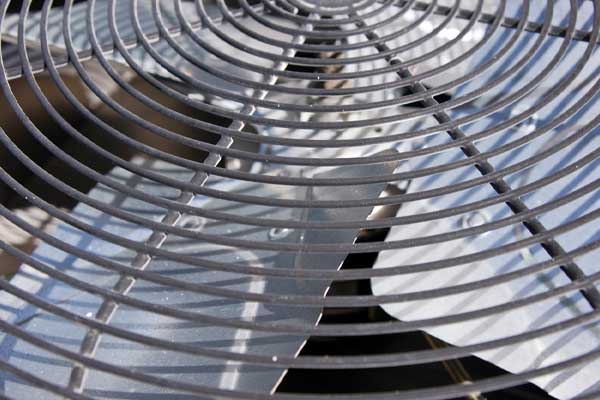
air conditioner condenser fan close up

Coil fans are integral to the cooling process and are housed within cooling units. The motors are commonly found outside. The coils are cooled by the airflow provided by the rotating blades. The fans will stop working if the motors fail. It’s possible that this is a result of normal aging. If the fan motor is constantly tripping the breaker, it may be time to replace it. Without a comprehensive check by a qualified HVAC technician, it’s difficult to say. Find Look for a qualified specialist who can analyze the situation and recommend a solution.

4. Start-up Issues With the Air Conditioner Compressor

The importance of the compressor has already been mentioned. Engineers make every attempt to extend the component’s life and reliability. However, it may occasionally behave unpredictably, such as by doing a hard start. As a result, the compressor has a hard time starting and requires more energy to start running. The circuit breakers may be tripped as a result of this issue. Keep track of how long it takes for the air conditioning to turn on. In the vast majority of circumstances, one second is all that is required. You’ve found the cause of the problem if it sputters and takes more time. Advanced solutions are required in this situation, therefore don’t take any chances. Seek professional help as soon as possible.

Get Started - Click Here To Call Point Bay Fuel

5. Loose Wiring & Aging Air Conditioning Components

Other system components, aside from the compressor, may deteriorate over time. The wiring of the system is an ideal illustration of this. There are an unfathomable number of wires that carry electricity and signals throughout the house. Several of these components may loosen with time, causing improper connections. It is possible for bare wires to come into contact with one another even when they are not intended to do so. A circuit breaker may also be tripped if the wires hit sensitive components, such as the compressor’s inside wall.

This is a difficult issue that homeowners should not attempt to resolve on their own. Instead, they should hire experts to do a thorough evaluation and skillful rewiring. They may also uncover more system components that need to be replaced.

6. Defective Air Conditioner Capacitor

multimeter and run capacitors of an outdoor air conditioning unit

The compressor is started using capacitors. The capacitor may attempt to draw an excessive quantity of electricity during the start-up procedure if the compressor has problems starting. If it surpasses a predetermined threshold, the circuit breaker may trip. After years of use, the capacitor may potentially fail. It will stop working as effectively as it should once it reaches the end of its useful life. It must be replaced as soon as possible by technicians. The capacitor is located inside the exterior air conditioning device. They’ll take off the metal cover to get to the capacitor, which they’ll replace with a compatible one.

7. An Outdated or Weak Air Conditioner Compressor

Compressors in recently installed units work well. As long as they are taken care of properly, these can operate for a decade or more. Even the most powerful compressors, however, deteriorate with age, like all aging HVAC systems. They might eventually degenerate to the point that they can’t start the cooling cycle. Attempts may result in tripped breakers due to the compressor using an unusual amount of power. Because the compressor is the most expensive component of the air conditioner, its replacement should be carefully considered. Consult a specialist to determine whether this is the genuine issue and, if so, what other options are available.

Learn More About Our Cooling Services Explore Our Case Studies

Is the Air Conditioner Breaker Malfunctioning?

Occasionally, the issue is not with the air conditioning device itself. Maybe the breaker keeps tripping because it has actually malfunctioned.  While this is a rare occurrence, it should be addressed as part of the troubleshooting process. Sturdy switches make up breaker panels. Those which trip regularly as a result of external conditions, on the other hand, may gradually deteriorate. They may trip far more frequently the next time they encounter a trigger. Replacing the breakers with more efficient ones is the wisest course of action.


Conclusion

A tripped breaker might signify a range of issues with your air conditioner. Simple observations can make it difficult to determine the underlying cause. Air conditioning professionals are capable of advanced troubleshooting and correct diagnosis. They can shed light on what went wrong and how similar incidents can be prevented in the future. You can easily find the damaged component with their assistance.

Call To Make An Appointment

For All of Your Heating & Cooling Needs, Call Point Bay Fuel

Point-Bay-Fuel-Logo

Point Bay Fuel is a leading heating and cooling service provider in Ocean and Monmouth County, New Jersey. We only hire competent professionals capable of providing outstanding HVAC tune-ups, repairs, installs, as well as replacements. We ensure that each of our technicians has the skills and experience necessary to service your HVAC unit quickly and effectively.

Point Bay Fuel assures the most cost-effective heating and cooling service in the area. We can help you lower your heating and cooling bills while improving your home’s comfort and energy efficiency. We can suggest the most cost-effective solution for your house, whether you need HVAC repair or a new system installed and maintained. To assure your pleasure, we offer a guarantee on all of our work. Contact the Point Bay Fuel right away to schedule a service appointment. We’ll come to your house and give you a free estimate.

Call Now: (732) 349-5059 Read Our Testimonials

Contact us now by calling (732) 349-5059 to speak to one of our home comfort specialists!

The post Why The Outside AC Unit Keep Tripping The Circuit Breaker? appeared first on Point Bay Fuel.
Monday, June 6, 2022

How To Keep House Cool In Summer Naturally

image of homeowner dealing with summer heat depicting how to cool a home naturally

The warm summer weather is just around the corner, so many homeowners are searching for what they can do to keep their families as cool as possible. This is especially true for homes that are not equipped with central air conditioners. The same goes for homeowners who do have an air conditioning system but are interested in reducing their home cooling bills, without sacrificing comfort. The good news is that there are some very effective and natural ways to stay cool even if there is a spike in outdoor temperatures. Read on to learn how to keep house cool in summer naturally.

Explore Our Air Conditioning Services Call To Schedule An In-Home Consultation

How To Keep Your House Cool Naturally

Here are several practical tips to help keep your home cool naturally:

Stay Cool by Blocking the Heat

homeowner closing curtain to block the sun

Use sun-blocking strategies to prevent your home from getting too hot. This is one of the best ways to keep your indoor temperatures low. It might not always be possible to stop the soaring temperatures outside from raising the indoor temperatures. However, blocking the sun can do wonders in helping your home stay cooler.

Keep the shades and curtains closed during the day so the sun doesn’t stream through the windows and raise the temperatures in your home. The direction your windows are facing is also a factor. For instance, consider using a thermal barrier if you have a window facing the south to keep out the heat. The summer can also bring about intense heat, so the best way to keep your home cool is to block the sun and the heat it produces.

Call Today: (732) 349-5059

Open Windows When It’s Cool Outside

Temperatures usually drop at night and remain low until the early morning. This is an excellent time to open your windows to have the cool breeze circulate throughout your home. It will help move the warm air out and let fresh, cool air take its place. Moreover, the outdoor temperatures may not be cooler, but the moving air helps you feel cooler and comfier. Open windows on opposite sides of your house to create a breeze. Make sure that inside doors are also open so the air can move freely.

Put Your Refrigerator & Freezer to Good Use

image of homeowner taking cold water bottle out of fridge depicting keeping cool naturally

A cold drink is a great way to help you cool down, but it doesn’t last long. Freeze water in a bottle or freeze a reusable ice pack to achieve longer relief. Placing the cold bottle on your forehead or at the back of your neck provides quick relief from the heat. You can also place the cold bottle or ice pack under your feet when it’s time to sleep. This might just be what you need to sleep comfortably. Remember to always wrap a thin towel around frozen ice packs to protect your skin.

You can also try placing your pillowcase or sheets inside the refrigerator. You can even put your socks in the fridge. Having a cool bed and feet will surely help you have a more relaxing sleep despite the heat.

Learn More About Our Cooling Services Call To Schedule A Consultation

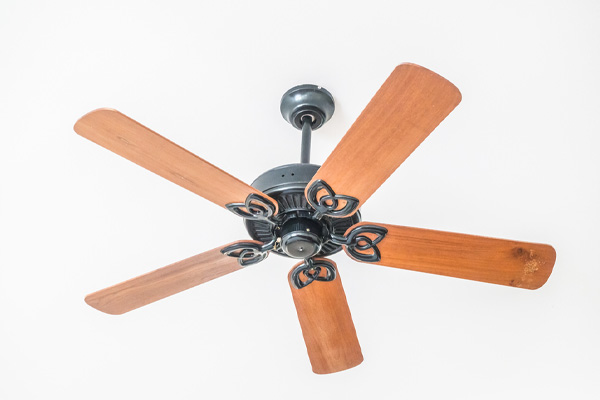
Adjust Your Ceiling Fan

ceiling fan use in summer to keep cool and reduce energy costs

Many homeowners don’t know that the design of the typical ceiling fan allows it to rotate in two different directions. During the summer season, find the little switch at the side of the motor housing and move it, so the blades rotate counterclockwise. This forces the warm air to go up the ceiling, so the cool air remains down where you and your family can enjoy it.

Call To Make An Appointment Explore Our Case Studies

Pay Attention to Your Lights

It is always best to turn off the lights in unoccupied rooms around your house. This helps conserve energy, lower your electric costs, and keep your home cooler. Incandescent light bulbs are an inefficient light source that can get quite hot. As a result, you’ll have warmer indoor temperatures. Aside from turning off all unnecessary lights, consider using energy-efficient bulbs instead for a cooler home.

Dine Alfresco

image of a homeowner grilling outside to prevent heat inside home

Use your stove or oven as little as possible. They make cooking a lot easier, but they also add heat to your home. Therefore, if you own a hibachi or an outdoor grill, consider using it instead when the temperatures spike. This will keep the heat out of your kitchen, and you can also enjoy eating your meal outside, where it is a bit cooler.

Take a Cold Shower

A cold shower hits the spot when you are hot and sticky. It also helps lower your core temperature, so you feel cooler even after your shower. This is a quick and easy way to cool down.

Get Started - Click Here To Call Point Bay Fuel

Make Your Own DIY Air Conditioner

For those without an air conditioning system, you can make your own homemade air conditioner using a fan and ice. All you need to do is freeze water in a small bowl or tray. You can even recycle a plastic milk jug by cutting its top off and using its bottom to freeze a block of water. Place the ice on a pan or tray and put it in front of a fan. When the fan blows over the ice, the air is cooled, relieving you from the heat.

Consider A Ductless Air Conditioner

image of a homeowner using a ductless air conditioning system

Also, be sure to talk to an HVAC contractor about a ductless air conditioning system for your home. These energy-efficient HVAC systems offer zoned cooling and are a great option for homes that do not have ductwork or homes that want to reduce their air conditioning costs. Be sure to schedule a consultation with Point Bay Fuel today!

Learn More On How Ductless Works Click Here To Request A Free Ductless Consultation

Use Cotton Sheets

Light-weight cotton sheets help keep you cool when it’s time to sleep. They are made of breathable natural fibers that can help prevent your body heat from getting trapped in your bedding. If you get sweaty at night, consider using moisture-wicking sheets as well.


Conclusion

These simple tips can help you have a cool and comfortable home despite the summer heat. Even better, these hacks are affordable and easy to do. Try them out to determine which ones suit you the most. You can also combine some of these ideas to get the most out of them.

Call Point Bay Fuel For Your Air Conditioning Requirements

Point-Bay-Fuel-Logo
Point Bay Fuel provides high-quality HVAC services in Ocean and Monmouth County, New Jersey. We have the best professionally certified technicians on staff, and they can conduct excellent heating and cooling replacements, installations, tune-ups, and repairs. All our friendly technicians are skilled, experienced, and knowledgeable to service your HVAC system correctly.

Our company offers highly competitive HVAC service prices in the area. Our maintenance services can improve your comfort, energy efficiency, and indoor air quality while reducing your cooling bills. If you need to repair or replace your HVAC system, we can recommend the best solution within your budget. We back all of our work with a guarantee to ensure your satisfaction. Book a service appointment with Point Bay Fuel. Be sure to inquire about our in-home estimates.
Call Now: (732) 349-5059 Read Our Testimonials

Contact us now by calling (732) 349-5059 to speak to one of our home comfort specialists!

The post How To Keep House Cool In Summer Naturally appeared first on Point Bay Fuel.