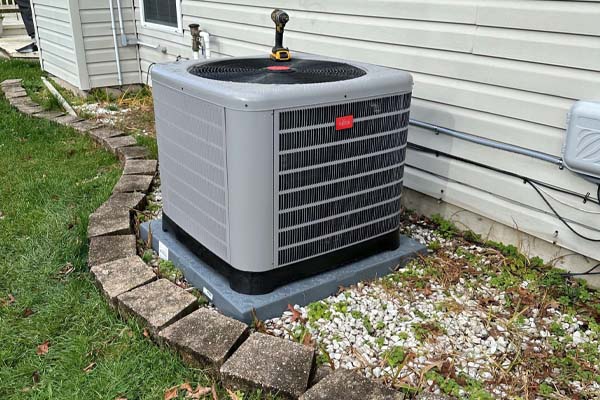
Tuesday, November 28, 2023

10 Winter Heating Hacks Without Cranking Up the Thermostat

image of helpful tips sign depicting heating hacks for home

Your home should be a warm haven from the cold temperatures during winter. You may be desperate for more heat when you still feel cold inside your home. Most people crank up their thermostat settings to get more heat. This works, but it also drives up your energy bills. This is not a welcome trade-off. The good news is that alternative strategies can help you improve your indoor comfort without increasing energy costs. Keep reading as we discuss several heating hacks for home.

Explore Our HVAC Services Call To Schedule An Appointment

10 Winter Heating Hacks Without Cranking Up the Thermostat

Here are several home heating tips to help you improve your comfort during the winter season:

Related Article: Why Is Furnace Sizing So Important?

Upgrade Your Thermostat
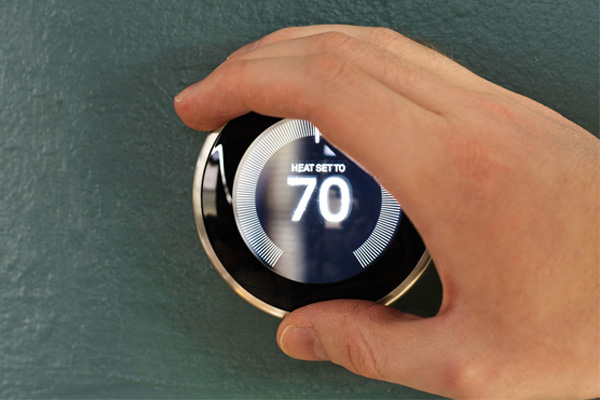
image of a wi-fi thermostat for home heating systems

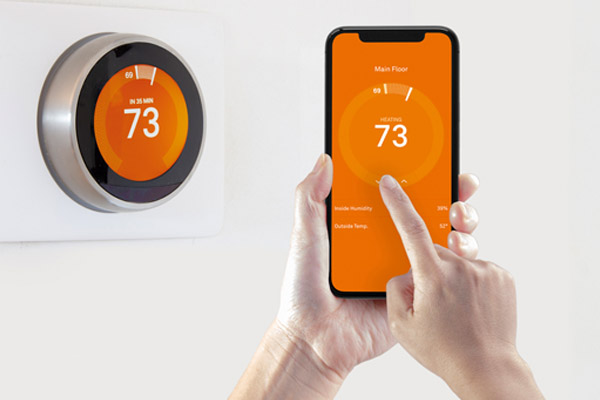
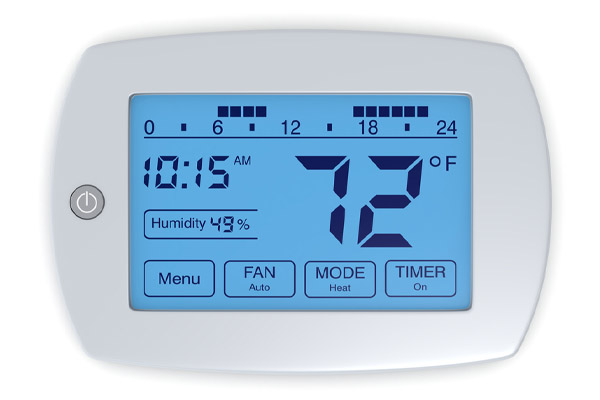
Your heating needs change at different times of the day. Therefore, the thermostat settings should be adjusted per the situation. You can manually adjust the temperature at different times, which can be a hassle. Automating the task is a better strategy. You can set it up and forget about it. A programmable or smart thermostat can make the changes for you consistently. These affordable devices are also easy to operate. Some devices can also sense movement, determining when the home is empty so they can adjust the heat for improved efficiency.

Call Today: (732) 349-5059

Change The Air Filters Regularly

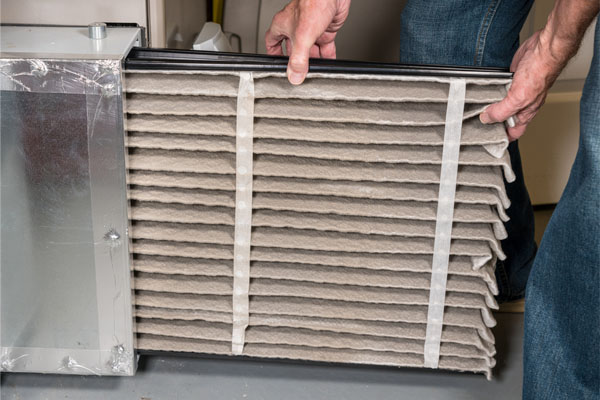
senior man changing a dirty air filter in a furnace

HVAC systems utilize air filters to capture dust, dirt, pollen, dander, and other impurities. It helps make your home a healthier space while keeping your system in good condition. However, the filters only work for a limited period. The accumulation of dirt on the filter’s surface can block the airflow and cause heating issues. Inspect the air filters once a month and replace them as needed to prevent problems. Fresh filters reduce the system’s energy consumption and improve system performance.

Call To Make An Appointment: (732) 349-5059

Add Window Insulation

Glass windows allow us to see the outdoors. However, they also let heat escape from your home. Installing double-pane windows can reduce this problem, but they can be expensive. It is cheaper and faster to use plastic film. You can find window film insulation kits at affordable prices. These products can stop cold drafts from entering your home. To install them, cut the sheets to size and use adhesive tape to install them. A hairdryer can aid in sealing the film. You can peel off the plastic when the winter ends. It won’t leave residue on the glass.

Related Article: Tips on How to Protect Your HVAC Warranty

Stop Door Drafts
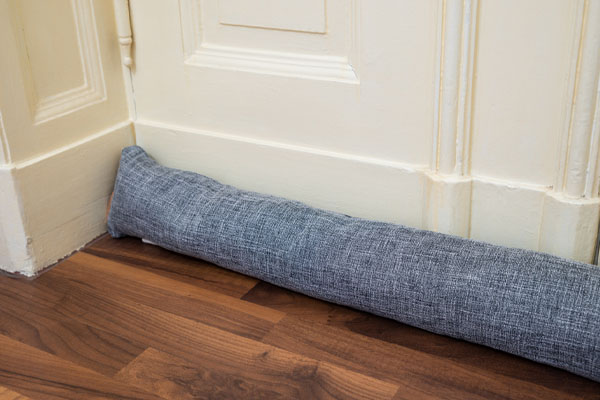
image of a door snake to stop cold air from entering home

Doors typically don’t sit flush against the frame. You can always find a gap so the door doesn’t scrape the floor as it swings. However, these gaps also let cold air enter your home, lowering the temperature and making your heating system work harder. Place a draft stopper in front of your door to counter this issue. You can make your own using fabric and sand or buy a dedicated product. It should cover the door’s entire width to stop the cold air from passing through.

Call Point Bay Fuel Today Explore Our Case Studies

Seal Window Gaps

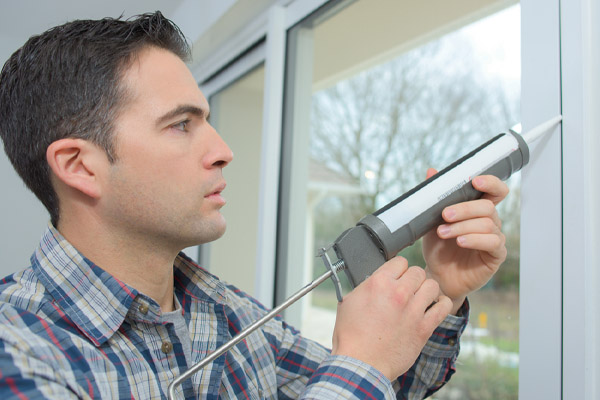
image of homeowner sealing air drafts

Insulating your window isn’t enough. You need to seal the gaps around them too. Replace any old or damaged caulking and add weatherstripping to block cold air. These should aid in keeping your home warm and comfortable. You can seal the windows’ exterior and interior. Some homeowners try to do everything on their own, but professionals can help you achieve better results.

Learn More About Our Home Heating Services Call To Make An Appointment

Let The Sunshine Inside Your Home

The sun is Earth’s best natural source of heat. Use it to make your home warmer for free. It can increase indoor temperature and lower furnace dependence during the day. You only need to open the blinds and draw the curtains to let the sun shine inside. Keep in mind that the sun moves from east to west, so its heat impacts different rooms throughout the day. Close the blinds and curtains at night so the indoor heat doesn’t escape outside.

Related Article: The Importance Of Home Air Sealing Your Home On Energy Costs

Reverse The Fan Rotation
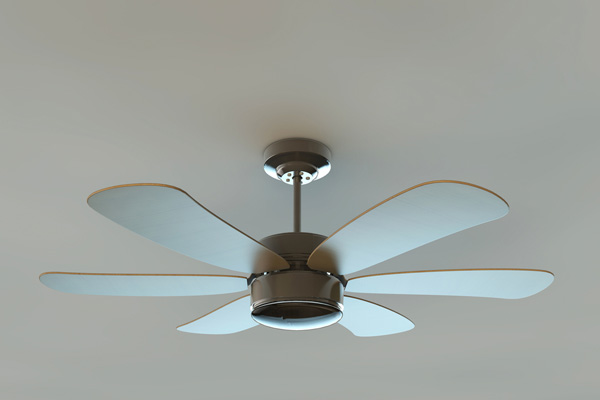
image of a ceiling fan depicting ceiling fan rotation in winter

The rotation of the blade indicates the direction. A clockwise rotation of a ceiling fan means warm air rises. Use this strategy to help you get relief from the heat during summer. On the other hand, a fan running counterclockwise causes warm air to fall. This is what you want to occur during winter when there are frigid temperatures. Don’t underestimate this simple tip. Try it and feel the difference right away.

Related Article: Do Leaky Windows Affect How My Home Is Heated?

Open The Interior Doors

Keep exterior doors closed as much as possible so that cold air doesn’t get inside. Interior doors can be kept open to achieve enhanced air circulation. This helps ensure there is even heating throughout your home. Do this to the rooms with vents linked to the central heating system. Close the doors to rooms you want to stay unheated.

Learn More About Our Heating System Services Call To Schedule A Consultation

Inspect & Improve Insulation

Increasing the thermostat temperature won’t do much if there is poor insulation. Heat will keep escaping outside. Examine your old insulation to determine how it’s holding up. Pay careful attention to the exterior walls, attic, and basement. The existing insulation may be damaged and old. Consult an insulation contractor regarding your existing insulation’s condition and how to improve your home’s efficiency and comfort. You’d want to use materials with moisture resistance and a high R-value. Do this in the fall so you have enough time to upgrade if needed.

Related Article: Using Ductless As A Supplemental Heat Source

Make A Feast

image of a homeowner eating soup to stay warm

HVAC systems aren’t the only heat source in your home. Other appliances like your stove and oven also produce heat, even if it isn’t their main purpose. You can get warm fast by baking a treat or cooking a meal. When the food is ready, take it out and leave the oven door open so the heat can move around your kitchen. This way, you’ll enjoy a hot meal in a warm room. Just remember to keep kids and pets away from the hot oven to prevent accidents.

Related Article: 9 Ways You Can Improve Indoor Air Quality During Winter

Conclusion

Additional heat can come from several sources. You don’t always need to depend on your HVAC system to crank up your indoor temperature. You can do it with the help of a ceiling fan, cooking appliances, and the sun. You can also feel warmer if you retain more heat, such as sealing the windows, closing the doors, and improving your home insulation. You can also enhance your HVAC system using a programmable or smart thermostat and replace the filters regularly. Consult an experienced HVAC technician if you require more advanced heating solutions.

Get Started - Call Point Bay Fuel Today

Related Article: What Homeowners Should Know About Their HVAC Air Filters

Call Point Bay Fuel For All Your HVAC Requirements

Point-Bay-Fuel-Logo

Point Bay Fuel offers exceptional HVAC services in Ocean County and Monmouth County, New Jersey. Our professionally certified technicians offer top-notch heating and cooling installations, replacements, tune-ups, and repairs. Our techs are skilled, experienced, and knowledgeable to service any HVAC system correctly.

Our company guarantees to have quality and affordable HVAC services. Our maintenance services can enhance comfort and energy efficiency while lowering energy costs. We can suggest the best and most cost-effective solutions for your home if you require an HVAC repair or replacement. All of our work is guaranteed. Contact Point Bay Fuel to schedule a service appointment and receive a free, in-home estimate. Call now!

Call Now: (732) 349-5059 Read Our Testimonials

Contact us now by calling (732) 349-5059 to speak to one of our home comfort specialists! Click the link to view our service area.

The post 10 Winter Heating Hacks Without Cranking Up the Thermostat appeared first on Point Bay Fuel.

Monday, November 20, 2023

The Importance Of HVAC Ductwork Design

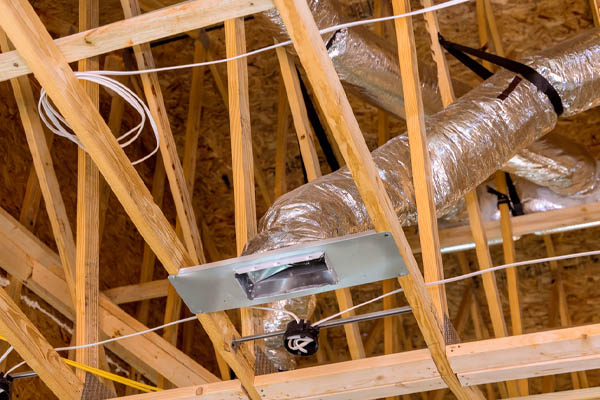
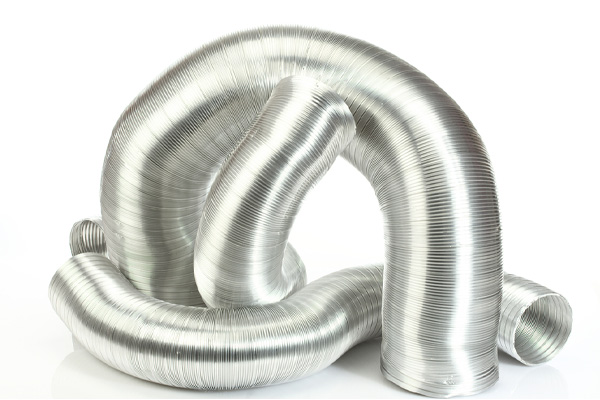
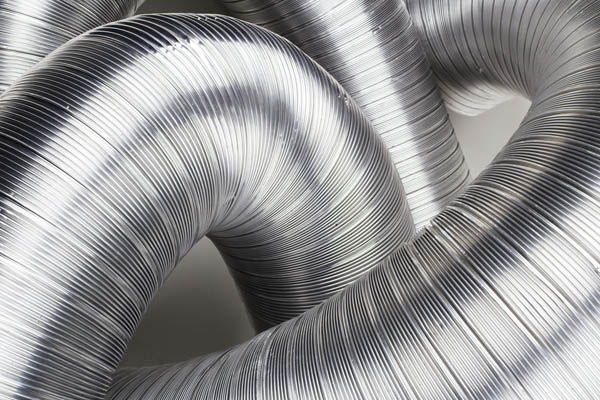
image of hvac ductwork depicting ductwork design

HVAC ducts are crucial in maintaining indoor comfort. This article discusses why ductwork is essential as it intricately links heating and cooling components to deliver conditioned air throughout your home or office. Ductwork design is vital in ensuring the HVAC system operates optimally. From circulating airflow to maintaining consistent temperatures, well-designed ductwork is the foundation of an energy-efficient and comfortable home. Keep reading to learn more.

Explore Our HVAC Services Call To Schedule An Appointment

Related Article: Signs You Need Better Air Quality At Home

Understanding Heating & Cooling Ductwork Design

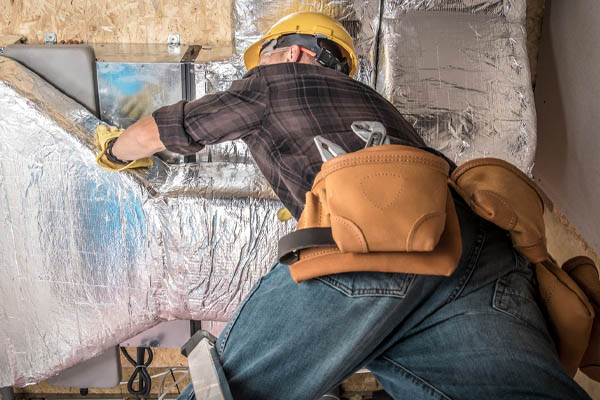
image of hvac ductwork installation

Ductwork design includes planning and creating a pathway system where heated or cooled air can travel for distribution throughout the structure. It includes identifying the ducts’ materials, layout, and size.

Correct sizing and ductwork layout are essential for efficient air circulation. Improper sizing can cause inadequate airflow or energy waste. Optimal layout ensures the temperature is evenly distributed and pressure drops are reduced. This improves the overall system performance.

Ductwork materials affect its performance. Ductwork can be made of several materials, and the most commonly used ones are flexible ducts and sheet metal ducts. Flexible ducts are versatile and easy to install but may cause air leaks. Sheet metal ducts are durable and leak-resistant but need careful design and sealing.

Ensure you select the most suitable material for your home to achieve balanced durability, efficiency, and cost-effectiveness in HVAC systems.

Call Today: (732) 349-5059

Related Article: Key Differences Between HEPA & MERV Filters

HVAC Ductwork: Energy Efficiency & Cost Savings

Ductwork design is a crucial factor in energy efficiency. Properly designed ducts ensure balanced airflow, reducing energy loss from leaks or insufficient insulation. 

A well-designed duct ensures that the conditioned air reaches its intended destinations efficiently, reducing energy costs. Enhanced energy usage also contributes to minimizing your total operating expenses.

A properly sealed and insulated ductwork helps prevent air leaks, enhance energy efficiency, and increase home comfort and savings. Other benefits include reduced heat transfer, consistent indoor temperatures, and higher overall HVAC performance.

Related Article: Why Is Condensation On Air Ducts A Cause For Concern?

Proper HVAC Airflow & Comfort

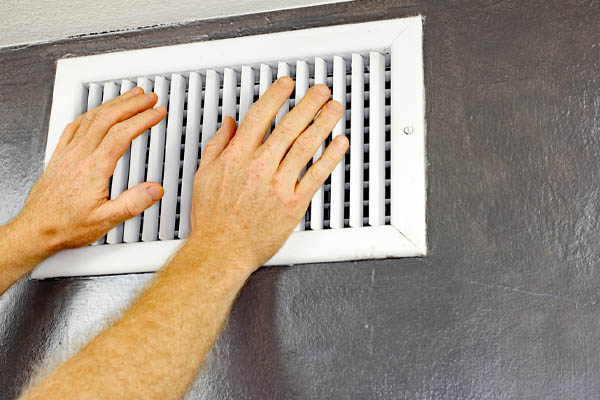
image of an hvac vent and hvac airflow issues

Ductwork design is most important in achieving balanced airflow. This means that conditioned air is evenly distributed throughout the entire building. The design ensures consistent temperatures and prevents overworking your system.

An adequately designed ductwork ensures there are no cold and hot spots within the structure. Even circulation of conditioned air ensures all areas are comfortable, improving occupant comfort and satisfaction.

Effective duct design can also efficiently filter and distribute air, improving indoor air quality. Well-designed ducts keep dust and pollutant buildups, enhancing your family’s comfort and well-being. You achieve physical comfort and good indoor air quality when you prioritize having well-designed ducts.

Call To Make An Appointment: (732) 349-5059

Related Article: How HVAC Comfort Zones Cut Energy Costs

Noise Reduction & HVAC Performance

Ductwork design affects the noise level your HVAC system emits. This can have adverse effects on your home’s comfort and tranquility.

  1. Airflow Restrictions and Noise: Poorly designed ducts with improper sizing, sharp turns, and excessive bends can restrict airflow. The air passing through constricted ducts produces turbulent airflow and louder noise. Ensure your ducts are properly designed so they have smooth transitions and gradual bends that minimize airflow disruptions and lower noise. 
  2. Noise Transmission: Insufficient duct insulation or seals can transmit noise from your HVAC unit to the rooms in your home. Vibrations and mechanical noises from your system can travel through the vents and generate unwanted noises in different areas. Adequate insulation and sealing dampen vibrations and keep noise transmission at bay.
  3. Duct Material and Thickness: The duct material can affect noise levels. Some materials, such as sheet metal, aren’t equipped with sound-absorbing properties that reduce noise. Thicker duct walls help insulate noise better than those made of thinner materials.
  4. Duct Placement and Distance: Careful duct placement helps keep noise from getting inside sensitive areas. Ducts running through bedrooms and offices must be strategically routed to lower noise disturbances. Increased distance between the HVAC unit and occupied rooms also helps reduce noise problems. 
  5. Acoustic Considerations: Ductwork design can include acoustic features to help minimize noise. Examples include using baffles and silencers to lessen noise propagation or adding sound-absorbing materials in the ducts.

Reducing HVAC system noise creates a tranquil environment and improves the unit’s efficiency. Excessive noise can create stress, discomfort, and health issues for the occupants. A quiet system means it functions properly and runs optimally.

Ductwork design directly affects the HVAC unit’s performance. Improperly designed ducts can result in airflow restrictions, making the system work harder to maintain the set temperatures. This increases energy use and reduces system efficiency. It also creates unwanted wear and tear on the system’s components. 

Click Here To Call & Schedule An Appointment

Related Article: Tips on How to Protect Your HVAC Warranty

Addressing Common Heating & Cooling Ductwork Issues

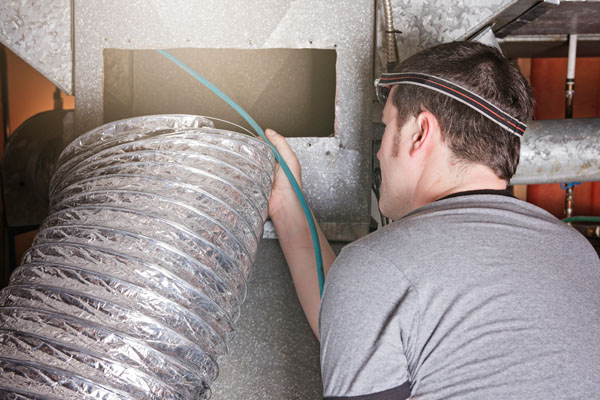
image of technician inspecting hvac ductwork

Ductwork problems can have severe consequences on HVAC systems. Some of the common issues include:

  • Leaks: This results in lower efficiency, energy waste, and uneven temperatures. 
  • Poor insulation: This problem causes heat gain or loss that can compromise your indoor comfort. 
  • Incorrect-sized ducts: This can cause insufficient airflow. It can also put a strain on your HVAC system. 
Call Point Bay Fuel Today Explore Our Case Studies

Effective Strategies to Improve Heating & AC Ductwork

Several effective ways to improve HVAC ducts include adding insulation, sealing ducts, and resizing the ducts to match the system. You can also try incorporating smooth transitions, gradual bends, and even circulation.

Professional ductwork checkups and repairs are vital. HVAC experts can determine hidden issues, check the system’s overall performance, and recommend solutions. Regular tune-ups and prompt repairs ensure efficient and problem-free ducts, contributing to your HVAC system’s optimal performance and longevity.

Related Article: Seek A Second Opinion Before Replacing Your HVAC System

Considerations for New Installations and Upgrades

image of things to consider depicting how to pick home ductwork materials

If you are constructing a new house or office, the building layout, HVAC load, and room sizes are crucial in ductwork design. Correct sizing, choosing the material, and duct layout are also vital in ensuring even airflow circulation and efficient cooling or heating.

If you are upgrading your current ductwork, you should first assess the current performance and determine the areas that need improvement. Upgrades may include sealing leaks, adding insulation, or resizing ducts to improve comfort and efficiency.

HVAC professionals can assist you in determining the ductwork design that will work optimally for you. They will examine your specific needs and calculate load requirements. They can also recommend design upgrades or adjustments that best fit your building’s unique characteristics. Professional HVAC experts ensure that the new installations or upgrades can deliver effective HVAC performance and are in line with energy efficiency standards.

Learn More About Our HVAC Services Call To Make An Appointment

Related Article: The Importance Of Home Air Sealing Your Home On Energy Costs

Conclusion

Well-designed ducts affect energy efficiency, comfort, system longevity, and noise levels. Determining the right layout, proper sizing, and most suitable duct material is crucial to ensure a harmonious indoor space. Prioritizing professional ductwork design assures homeowners that their HVAC systems have optimal operation, promoting efficiency, comfort, and the occupants’ and the environment’s well-being.

Get Started - Call Point Bay Fuel Today

Related Article: 7 Must-Have Accessories to Improve HVAC Performance

Call Point Bay Fuel For All Your HVAC Requirements

Point-Bay-Fuel-Logo

Point Bay Fuel is the leading HVAC service provider in Ocean County and Monmouth County, New Jersey. Our highly skilled and professionally certified technicians are experts in heating and cooling installations, replacements, repairs, and maintenance. We proudly deliver excellent services to all our customers. 

Our company understands that having a comfortable and energy-efficient home is of utmost importance. This is why we provide affordable pricing for our services. Our tune-up services can aid in enhancing home comfort and reducing energy expenses. Our experienced and knowledgeable techs can recommend the best solution for your HVAC repair or replacement needs while keeping your budget in mind. We offer a satisfaction guarantee on all our work.

Point Bay Fuel offers free, in-home estimates so you can make informed decisions regarding your HVAC systems. Schedule a service appointment with us by calling us today. Rest assured, we provide superior heating and cooling services that will exceed your expectations!

Call Now: (732) 349-5059 Read Our Testimonials

Contact us now by calling (732) 349-5059 to speak to one of our home comfort specialists! Click the link to view our service area.

The post The Importance Of HVAC Ductwork Design appeared first on Point Bay Fuel.

Monday, November 6, 2023

How Long Does HVAC Ductwork Last?

image of homeowner wondering how long does hvac ductwork last

Ductwork is a crucial part of HVAC systems. Ducts, like other parts, have a limited service life. The article discusses the factors affecting the ductwork’s longevity, such as installation techniques, maintenance habits, material quality, and environmental conditions. This assists you in making informed decisions regarding repairs or an HVAC ductwork replacement. Keep reading to learn these key factors and ensure optimal performance for a long time.

Explore Our HVAC Services Call To Schedule An Appointment

How Long Should Heating & Cooling Ductwork Last?

The service life of ductwork varies depending on several variables. Well-maintained ductwork can last from 15 to 25 years on average. However, this isn’t a definitive estimate. Different elements can affect the longevity of ducts. Factors like material quality, regular maintenance, environmental conditions, and installation techniques play significant roles. 

Talk to an HVAC professional for a more accurate assessment of your ductwork’s condition. They can also guide you regarding the needed repairs or replacements.

Call Today: (732) 349-5059

Related Article: My Furnace Won’t Turn Off – Why?

Why HVAC Ductwork Is Important

image of the question why depicting why is hvac ductwork important

Ductwork is crucial for your HVAC system to function properly. Listed below are some reasons HVAC ducts are vital:

  1. Air Distribution: The ductwork is a network of pathways circulating conditioned air from your HVAC unit to various areas of your home or office. This way, the warm or cold air can reach each room effectively, so your indoor environment stays comfortable. 
  2. Airflow Regulation: The ducts let you regulate the airflow so there are consistent temperatures throughout your home. This means that hot or cold spots are prevented.
  3. Indoor Air Quality: HVAC ductwork helps maintain your home’s air quality. It has air filters that trap dust, pollutants, and allergens. This way, they don’t circulate throughout your indoor space. Remember that clean and well-maintained ducts help promote healthier indoor air.
  4. Energy Efficiency: Ducts that are efficiently designed and sealed reduce the energy as they prevent air from leaking. Leaky ducts can cause significant energy waste, minimizing your HVAC system’s overall efficiency. Correctly installed vents also help retain cold or warm air, reducing your HVAC system’s workload.
  5. Noise Control: Well-designed ducts help lower the noise transmission of your HVAC system. This is because you can install sound attenuators and insulation materials, so the airflow emits reduced noise.
Call To Make An Appointment: (732) 349-5059

Related Article: Tips on How to Protect Your HVAC Warranty

Factors That Impact HVAC Ductwork Lifespan

image of a hvac ductwork

Here are several variables that can impact your HVAC ductwork’s lifespan:

  • Material Quality: The quality of the material your ductwork is made of is crucial. Ducts made of high-quality materials, like aluminum, fiberglass, and galvanized steel, are likely to have extended lifespans than those made of lower-quality materials.
  • Installation Techniques: Correct installation is essential for the ductwork’s longevity. When improperly installed, the ducts may suffer from premature failure, air leaks, and increased wear and tear. Examples of problems caused by improper installation are insufficient sealing and excess duct bending.
  • Maintenance Practices: Regular maintenance is essential in prolonging your ductwork’s lifespan. Routine checkups, cleaning, and filter changes help prevent the buildup of mold, dust, and debris that can adversely impact your ductwork’s performance and durability.
  • Environmental Conditions: Extreme temperatures, humidity, corrosive substance exposure, and other environmental factors can affect the ductwork lifespan. High humidity levels can encourage mold growth. Corrosive substances can cause duct deterioration over time.
  • Usage and Load: How often you use your HVAC system and the load placed on the unit impact the ductwork’s lifespan. Systems that experience higher airflow levels or are heavily used may have more wear and tear, which tends to shorten the duct’s lifespan.
  • Maintenance of Surrounding Areas: The condition of the spaces where the duct is placed also affects its longevity. Several ways to maintain the ductwork’s integrity include protection from pests and critters, preventing excess dust and debris, and proper installation.

Keep in mind that this isn’t an exhaustive list of factors, and your home’s circumstances may differ from the next house. Have HVAC professionals conduct regular maintenance to find any problems and make the necessary upkeep or replacement.

Call Point Bay Fuel Today Explore Our Case Studies

Related Article: Seek A Second Opinion Before Replacing Your HVAC System

Signs You Need Air Duct Replacement

hvac contractor replacing heating and ac ductwork

Knowing when to replace your air ducts is important to ensure optimal HVAC performance. Here are several indicators you need to replace your air ducts:

  • Age of Ductwork: Consider getting a replacement if your ducts are over 15 years old. Old ducts are more likely to deteriorate and have leaks. They may also have reduced efficiency.
  • Visible Damage: Examine your ducts for cracks, gaps, holes, or other visible signs of damage. These problems can cause air leaks, resulting in reduced comfort and energy wastage. 
  • Inconsistent Airflow: Ductwork problems may cause uneven airflow in different areas of your home. Damaged, blocked, or leaky ducts can disrupt the balanced air circulation.
  • Excessive Dust or Debris: Excess dust or debris buildup around the return vents or supply registers may mean leaks or breaches in your ducts. This causes poor indoor air quality and increased allergy symptoms.
  • Mold and Mildew Growth: Mold or mildew can grow in ducts exposed to moisture or have insufficient insulation. Foul smells or visible growth around ducts mean you should replace them to prevent health risks.
  • Rising Energy Bills: Leaky or improperly insulated ducts can cause significant energy losses. Your HVAC system will also work harder, and you’ll notice increased energy bills. If your energy costs suddenly have unexplainable spikes, it may be time to check your ducts.
  • Noisy Operation: Odd noises like whistling, rattling, or banging from your ducts may mean problems with your system. Damaged or improperly sealed ducts can produce unusual noises and may need replacement.

Keep in mind that these signs act as a guideline. You should still consult an HVAC technician for a thorough check and accurate assessment of your unique ductwork condition.

Learn More About Our HVAC Services Call To Make An Appointment

Should You Opt For An HVAC Ductwork Replacement When Upgrading The HVAC System?

image of a things to consider depicting hvac ductwork replacement

Several factors can help you determine whether to get a ductwork replacement when replacing your HVAC system. Here are several considerations to aid you in making an informed decision:

  1. Age and Condition: Consider your current duct’s age and condition. If your ducts are relatively new, free from major problems, and well-maintained, you may not have to replace the ducts when replacing the HVAC system. 
  2. System Compatibility: Check if the existing ductwork and the new HVAC system are compatible. Different systems may require specific duct size, airflow capacity, or design. If your current ducts meet these requirements, you may not need to replace them.
  3. Efficiency and Airflow: Evaluate your current duct’s airflow and efficiency. Poorly insulated or leaky ductwork can significantly affect the system’s energy efficiency and overall performance. Replace the ducts to have better efficiency and proper airflow if they have inadequate insulation and major leaks.
  4. Cost Considerations: Consider the cost of ductwork replacement. Replacing ducts can add to the overall cost of replacing your HVAC system, but it may be a worthy investment. This is especially true if your current ductwork is poorly designed, in poor condition, and inefficient. Long-term energy savings and better comfort can outweigh the initial replacement cost. 
  5. Future Plans: It is a good chance to replace your ductwork and your HVAC unit if you have home remodeling or expansion plans. This lets you better integrate your new system into the modified expanded space.

Related Article: When to Call Emergency HVAC Services

Conclusion

The average ductwork lifespan is 15 to 25 years. However, you should consult a professional to get an accurate assessment. HVAC technicians can inspect your ductwork’s condition, look for signs of deterioration, and give you expert advice on whether replacement or repair is needed. Their expertise helps homeowners and business owners to make informed decisions so their HVAC systems have optimal performance and efficiency for a long time.

Get Started - Call Point Bay Fuel Today

Related Article: The Importance Of Home Air Sealing Your Home On Energy Costs

Call Point Bay Fuel For All Your HVAC Needs

Point-Bay-Fuel-Logo

Point Bay Fuel provides high-quality heating and cooling services in Ocean County and Monmouth County, New Jersey. We have professionally certified technicians who are experts in HVAC replacements, repairs, tune-ups, and replacements. We guarantee to always deliver top-quality services to all our clients. 

Our company understands how important it is to have a comfortable and energy-efficient home. This is why we offer affordable prices for all our services. Our tune-ups can improve comfort and lower energy costs. Our knowledgeable techs can help you if you need an HVAC repair or replacement. They will always recommend the best solution while working within your budget. 

Book a service appointment with Point Bay Fuel today. Call now for a hassle-free consultation. Trust Point Bay Fuel for superior HVAC services that will exceed your expectations!

Call Now: (732) 349-5059 Read Our Testimonials

Contact us now by calling (732) 349-5059 to speak to one of our home comfort specialists! Click the link to view our service area.

The post How Long Does HVAC Ductwork Last? appeared first on Point Bay Fuel.

Monday, October 16, 2023

What Size Boiler Do I Need?

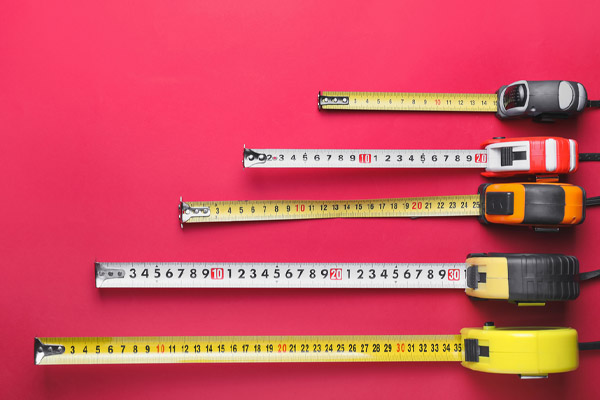
image of tape measure depicting boiler size and hvac installation

When facing a boiler replacement, there are a few things to keep in mind. Choosing a boiler has no absolutes. Don’t just select the biggest unit available and call it a day. There is no metric that can guarantee suitability. Consider several factors and consult an HVAC professional to make a smart decision. Keep reading to learn what is needed to select the right boiler size and type.

Explore Our HVAC Services Call To Schedule An Appointment

What Size Boiler Do I Need?

image of a mother and daughter feeling comfortable due to boiler home heating system

You cannot randomly select a boiler. It is recommended that you determine your home’s needs and find a compatible unit. Remember to be diligent in your search, as boilers can last for over ten years when well-maintained. If you’ll be using a heating system this long, you should have a highly compatible, reliable, and energy-efficient one. You may encounter frustration and expensive issues when you choose a boiler that’s way off the mark. Avoid common mistakes by consulting your local, trusted HVAC technician.

Call Today: (732) 349-5059

Why Selecting The Proper Boiler Size Is Important

Boiler size doesn’t mean its physical dimensions. The width, length, and height shouldn’t be a concern for now. Think about the energy output measured as kilowatts. It measures the boiler’s heat-generating ability. You should choose the right size for your home, so it shouldn’t be too low or too high. Getting it right means you will reduce wasted energy. You also won’t have to pay for the heat you don’t need.

Related Article: What Is The Difference Between A Boiler And A Furnace?

Factors that Impact Boiler Size

A home that needs a lot of heat needs a large boiler. You need to get a correctly sized unit to remain warm. HVAC professionals can do the calculations so you get the figure you can aim for. Experienced technicians can also conduct quick estimates per their experience. Let them know about the number of radiators you have, your home’s size and layout, the fuel type, and the household hot water demand. These are valuable parameters when choosing a boiler. Let’s discuss them below:

Number of Radiators

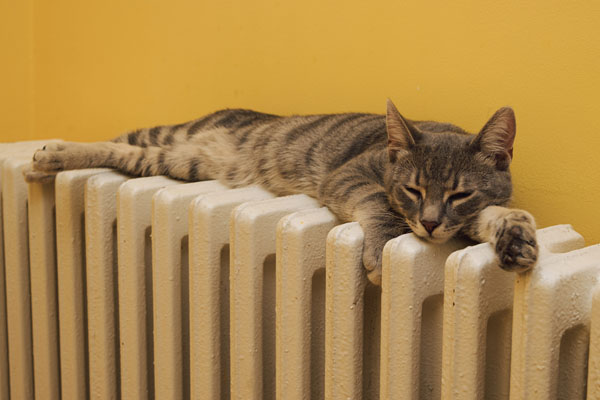
image of a cat on a radiator of an oil-fired home heating boiler system

Count the radiators in your home. Family homes typically have four bedrooms and ten radiators. This setup means that a small boiler with 24 kilowatts is enough. Get a lower-rated one if you have a smaller house with one to two bedrooms. On the other hand, you may have to get a boiler with more than 35 kilowatts if you have a larger home for your extended family. HVAC contractors may recommend a 42-kilowatt boiler if you have twenty radiators.

Call To Make An Appointment: (732) 349-5059

Heat Loss

Heating engineers have developed a more accurate way of measuring the ideal boiler size for each home. They compute the structure’s heat loss instead of depending on the house dimensions. This approach includes several factors in the equation, including the number of radiators and windows. They also consider contributing factors to heat loss, such as insulation type and floor area. The result will provide the needed boiler size to counter the cold during winter.

Related Article: Top 10 Boiler Problems Homeowners Experience

Property Size

image of a house in winter that uses a boiler for home heating

Determine your home’s size. A massive home has a larger air volume inside than a tiny house. It needs a boiler that can generate more heat to affect the indoor temperature. You may feel uncomfortable during the coldest days of winter if you choose an undersized unit.

Related Article: The Ultimate Guide For Residential Boilers

Fuel Type

Check what type of fuel your heating system utilizes. Some homes are linked to the natural gas pipeline. Others use a heating oil or LPG tank on their property. Fuel can influence the system’s efficiency. Modern boilers may also produce heat using solar panels or other renewable energy sources. Find a system with a high AFUE rating if you are conscious of your environmental impact.

Call Point Bay Fuel Today Explore Our Case Studies

Bathrooms and Showers

A powerful boiler can also help maintain even water pressure without wasting energy. Pay attention to how many bathrooms your home has because these spaces need a lot of hot water. You should also think about the number of people living in your home and how often they take showers.

Related Article: What To Look For In A Boiler Repair Company

Types of Boilers for Homes

image of a boiler room in a home

Boiler size isn’t the only factor. You must also find the most suitable boiler type for your home. Three options are available, and each has its advantages and disadvantages. The primary factors to consider this time are the current type of boiler installed and the available space for the new unit. Here are brief discussions for each type:

Related Article: What Is A Boiler Expansion Tank?

Combi Boilers

Combination boilers only heat water when necessary. You also don’t need to wait long for the hot water to come out. It does not store hot water, so there is no need to allow space for a tank. This feature makes it an ideal choice for small homes. The name is derived from the combination of a central boiler and water heater in its design. The downside of this type of boiler is that it can’t heat water and your home simultaneously. Choose a different kind if you require multiple hot water outlets.

Learn More About Our Home Heating Services Call To Make An Appointment

Conventional Boilers

Conventional boilers are traditional ones. They use two tanks to store hot and cold water. Burning fuel lets them increase the water’s temperature. A pump transfers the hot water to a dedicated tank so you get hot water as soon as needed. All you have to do is open the shower or faucet, and you’ll get warm water. Conventional boilers are usually found in old homes. If you live in an old house, replacing the existing boiler with the same type is a sensible move.

Related Article: What Is The Best Temperature To Set Your Heating Oil Boiler At?

System Boilers

You likely need huge amounts of hot water daily if you have a large family. If so, a system boiler can meet your needs. It takes water directly from the supply line and heats it in a storage tank. As a result, the need for a separate cold-water cylinder is eliminated. It can also provide hot water to several outlets at the same time, unlike combi boilers.

The Consequences of an Oversized Boiler

image of a homeowner feeling chilly due to boiler heating problems

An oversized boiler will switch on and off rapidly. This is known as short cycling, and it occurs when a space heats up quicker than it should. This forces the system to shut down, but it turns on again as the heat dissipates quickly. This can result in the radiators overheating and the components wearing out prematurely. This problem only shortens your boiler’s lifespan.

Learn More About Our Boiler System Services Call To Schedule A Consultation

The Consequences of an Undersized Boiler

On the other hand, a boiler that’s too small can take a long time to heat your home. You may not receive the immediate comfort you want. An undersized boiler may eventually reach the set temperature on most days. However, it may be insufficient during frigid winter days. Hot water may also run out rapidly if two or more people use water outlets.

Related Article: What To Look For In A New Oil Boiler For Your Home

Conclusion

It is a technical matter to choose a boiler. Homeowners who take the time to understand the selection process tend to be more satisfied with their choices. Consult a trained HVAC contractor who can conduct heat loss calculations if you want to avoid expensive errors.

Get Started - Call Point Bay Fuel Today

Call Point Bay Fuel For All Your HVAC Needs

Point-Bay-Fuel-Logo

When you need top-notch heating and cooling services in Ocean County and Monmouth County, New Jersey, call Point Bay Fuel. Our team of professionally certified technicians are experts when it comes to HVAC installations, tune-ups, repairs, and replacements. Our experienced and knowledgeable techs can always provide friendly, safe, and accurate HVAC services.

Count on us to provide you with the most competitive heating and cooling service costs in the area. Our maintenance services can improve home comfort and energy efficiency while minimizing heating bills. We can suggest the best and most budget-friendly solutions for your HVAC repair or replacement system needs. A guarantee backs all of our work. Give Point Bay Fuel a call today to schedule a service appointment. Call now for a free, in-home estimate.

Call Now: (732) 349-5059 Read Our Testimonials

Contact us now by calling (732) 349-5059 to speak to one of our home comfort specialists! Click the link to view our service area.

The post What Size Boiler Do I Need? appeared first on Point Bay Fuel.

Monday, October 9, 2023

Wi-Fi Thermostats for Oil Heat

image of a wi-fi thermostat for a home heating system that uses fuel oil

Heating and cooling, on average, account for nearly half of the energy use in United States homes. The thermostat type you use will greatly affect your energy consumption and how effectively your oil heating system works. If you want to improve the efficiency of your oil furnace or boiler, consider a Wi-Fi thermostat. This device allows automation and better control over your home’s climate and temperature. Therefore, you can enjoy lower your energy bills. A Wi-Fi thermostat also offers more benefits apart from temperature control and automation.

Explore Our Heating Oil Delivery Services Call Today To Order Fuel

Advantages Of A Wi-Fi Thermostat For Oil-Heat Homes

Keep reading to learn nine benefits a Wi-Fi thermostat offers to oil heat users.

Related Article: How Does An Oil Heating System Work?

Control Your Thermostat From Anywhere

image of homeowner controlling wi-fi thermostat remotely

There may have been times when you intended to lower your thermostat before leaving for work, only to forget to do it. If so, you probably understand how frustrating it is to waste energy unnecessarily on heating an empty home. A smart Wi-Fi thermostat prevents such issues because you can control your thermostat remotely. All you need to do is install the dedicated app on your smartphone, and you can use it to control the thermostat from anywhere with an internet connection.

Call Today: (732) 349-5059

Save On Energy & Heating Oil Costs With A Wi-Fi Thermostat

image of cutting expenses depicting reducing oil heating costs

The US Department of Energy, or DOE, says that setting your thermostat 10 degrees lower will lower your energy by as much as 10% during nighttime or when you’re away from home. It is easier to adjust your thermostat settings since you can use your phone to control your Wi-Fi thermostat remotely.

Learn More About Our Heating Oil Delivery Services Call Today To Schedule An Oil Delivery

A Wi-Fi Thermostat Has Intuitive Displays And Easy Controls

Wi-Fi thermostats generally have brightly lit, intuitive screens for easy data reading. Additionally, they can be controlled with dials, buttons, or responsive touch screens. You should be able to operate a smart thermostat if you know how to use a smartphone.

Related Article: What Do Heating Oil Additives Do?

Access Useful Metrics On Oil Home Heating

image of oil heating metrics and wi-fi thermostat

Smart thermostats provide access to data and metrics you can’t get from a programmable or dial thermostat. Using the thermostat app, you can check your home’s energy consumption statistics and behavior. This information can help you adjust your thermostat to reduce energy use and maximize indoor comfort. Moreover, if you are curious about your energy savings over time or the humidity level in your home, a Wi-Fi thermostat can give you this information.

Call Now To Order Fuel: (732) 349-5059 Explore Our Case Studies

Multiple Thermostats At Multiple Locations

Owning and maintaining several properties can be expensive and tedious. It can also be a challenge to ensure that the oil-powered heating system in each home is efficient. Fortunately, a smart thermostat can help make this task a breeze. It allows you to manage the climate in each house from virtually anywhere using a single internet-connected device, like your laptop or smartphone.

Related Article: The Best Ways To Prevent Running Out Of Heating Fuel This Winter 

Get HVAC Maintenance Reminders

A properly maintained heating system improves your home’s safety and energy efficiency, lowers heating bills, and generates proper airflow. Therefore, your heater should always be in good shape. A Wi-Fi thermostat aids in making this task easier. It can tell you the ideal time to book a tune-up for your oil furnace and even set a reminder.

Get Local Weather Updates

image of a programmable wi-fi thermostat showing metrics

Weather affects how well and efficiently an oil heater works. For instance, colder days require you to crank up your oil heating system. On the other hand, warmer days mean you have to set the thermostat at a lower temperature to stay comfortable. A smart thermostat can help you monitor temperature shifts. It can display the local weather information on the thermostat screen or your phone. These weather updates can help you adjust the temperature accordingly and help you save money. 

Learn More About Our Fuel Oil Delivery Services Call Point Bay Fuel To Schedule An Oil Delivery

Customized Oil Heating Schedules

point bay fuel oil delivery toms river nj

Your thermostat should have the capability to accommodate your lifestyle changes to achieve maximum efficiency. A smart thermostat allows you to have customized oil heating schedules per your lifestyle and daily activities. You can set your Wi-Fi thermostat to lower the temperature while you are at work, and the thermostat will automatically make this adjustment. You can also set your thermostat to increase the temperature minutes before you head home so you get back into a warm home.

Related Article: Power Up Your Home With Great Fuel Oil Delivery In Toms River

Call To Make An Appointment

Integration With Other Smart Devices

Smart technology is becoming more ubiquitous as more homes incorporate smart devices. Your smart thermostat can be connected to smart devices like Google Home or the Amazon Echo. This integration allows you to utilize voice commands to turn on the oil heater or adjust the temperature. You can even create custom commands to set oil heating schedules via your voice. You will have many new and exciting possibilities when you integrate your Wi-Fi thermostat with your other smart devices.

Related Article: Is Oilheat Safe For Your Home?

Conclusion

Installing a Wi-Fi thermostat can aid in ensuring your home stays comfortable while lowering your energy bills. This device provides many advantages, including the nine listed in this article. Aside from a smart thermostat, you must also have a dependable heating oil supplier, like Point Bay Fuel, assist you. If you live anywhere in Jersey Shore, call us today to order. We provide quick heating oil deliveries at affordable prices.

Get Started - Call Point Bay Fuel Today

Related Article: What Is #2 Heating Oil?

Call Point Bay Fuel For Superior Home Comfort Solutions

Point-Bay-Fuel-Logo

Point Bay Fuel offers superior heating oil deliveries and HVAC services in Ocean and Monmouth Counties, New Jersey. Our heating oil deliveries are fast, reliable, and affordable, and we always keep your safety in mind. We offer various heating oil delivery plans and financing options. This way, you can customize your fuel deliveries to meet your needs. Likewise, we hire the best-certified HVAC technicians who can provide you with excellent HVAC tune-ups, repairs, installations, and replacements. Each of our techs has the knowledge and experience to service your HVAC system correctly.

Point Bay Fuel guarantees the most competitive home comfort service costs in the area. Our maintenance services can improve your comfort and energy efficiency while reducing your home HVAC costs. If you are interested in improving your indoor air quality, then look no further. Our experts know the most advanced solutions to achieve all of your home comfort needs. All of our services are backed with a guarantee to ensure your satisfaction. To schedule an appointment, give Point Bay Fuel a call today.

Call Today: (732) 349-5059 Read Our Testimonials

Contact us now by calling (732) 349-5059 to speak to one of our home comfort specialists! Click the link to view our service area.

The post Wi-Fi Thermostats for Oil Heat appeared first on Point Bay Fuel.
Monday, October 2, 2023

Why Is Condensation On Air Ducts A Cause For Concern?

image of why should you care about air duct condensation

You should be concerned about HVAC air duct condensation because it can potentially cause harm to your HVAC system and indoor air quality. Moisture can build up in the vents, creating the ideal space for mold and mildew to grow. This can result in health problems and issues with air circulation. Condensation can also result in damaged ducts, lowering your system’s efficiency and causing structural issues. When you understand the causes and consequences of condensation in your ductwork, you can address the issues promptly. This will ensure that your system is healthy and functions well.

Explore Our HVAC Services Call To Schedule An Appointment

Why Should You Care About Air Duct Condensation?

Condensation on your air ducts can be concerning, but it doesn’t immediately mean it is the end of your HVAC system’s service life. There are methods available to curve the effects of condensation and protect your HVAC unit. Keep reading to learn more.

Related Article: Seek A Second Opinion Before Replacing Your HVAC System

What Is Condensation?

image of condensation or sweating on glass

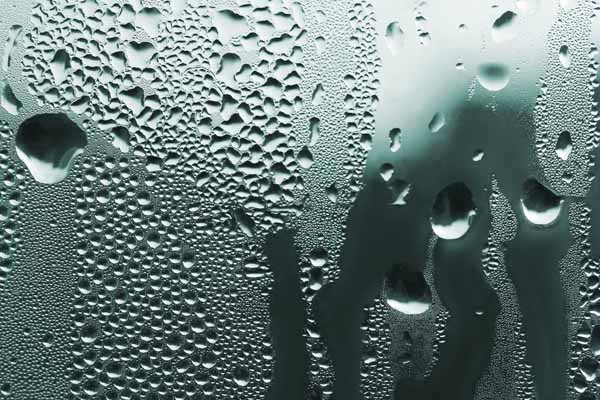
Condensation is when water vapor changes into liquid when it comes into contact with a cooler surface. A typical condensation example is having a cold glass of liquid on a hot day. Water drops will start forming on the outside of the glass as the cold liquid comes into contact with the glass’ exterior. This occurs because the glass is colder than the ambient air. The water vapor loses heat and changes into liquid drops. This happens because of the difference in temperature between the air and cold glass, which converts the water vapor into liquid. 

The same process also occurs in your HVAC air ducts, which is why condensation happens. The cold air passing through the ducts causes it to become cold. For instance, the warm air surrounding the ducts comes in contact with the cold ducts as you use your HVAC system. This results in excess condensation on the ducts. 

This is a common cause of ductwork condensation, but it isn’t the only factor to think about. Several other factors can cause condensation on your ductwork. This will be discussed later on in this article.

Call Today: (732) 349-5059

How Condensation Affects Ductwork

image of mold macro shot in hvac ductwork

As mentioned above, condensation can harm your ductwork. Moisture accumulation on the ducts can cause several issues, including:

  • Mold and Mildew Growth: An abundance of moisture can create the ideal space for mold and mildew to grow. These microorganisms can circulate throughout your house via the ducts. This can compromise the air quality in your home and may even cause health issues.
  • Structural Damage: Condensation can damage the ducts over time. Moisture in the ducts can result in rusting, corrosion, and deterioration. This causes the ductwork’s structural integrity to weaken, resulting in lower airflow, air leaks, and higher energy usage.
  • Reduced Efficiency: Condensation on the ductwork can interrupt the airflow. The water buildup can create blockages, hindering the efficient circulation of conditioned air throughout your home or office. This causes uneven heating or cooling, lower comfort, and increased energy consumption. 
  • Higher Energy Costs: The system may have to work harder to make up for the reduced airflow due to ductwork compromised by condensation. This will spike energy consumption and utility bills.
Call To Make An Appointment: (732) 349-5059

Related Article: When to Call Emergency HVAC Services

Causes of Condensation in Air Ducts

feeling hot and sticky due to high humidity levels

Several reasons can be behind the condensation in your ductwork. Here are several of the common causes:

  • Temperature Difference: This is the most common reason for duct condensation. When the warm, humid air around the ducts comes in contact with the cool duct surface, the moisture in the air condenses and generates water droplets.
  • High Humidity: Another contributing factor to condensation in the ducts is if the surrounding humidity levels are elevated. Air saturated in moisture will likely release the excess when it comes into contact with the cooler duct surface. 
  • Poor Insulation: Insufficient air duct insulation can result in temperature differences between the ductwork and ambient air. The temperature variation can cause condensation to appear on the duct’s surface.
  • Air Leakage: Air leaks in the ducts can mean warm, humid air from the basement, attic, or crawl spaces can enter. Condensation can occur when the air temperatures mix. 
  • Inadequate Ventilation: When there is not enough ventilation in the ductwork, airflow can be disrupted, so stagnant air can build up. There is an increased chance of condensation occurring when there is stagnant air. 
  • Incorrect Duct Installation: If the ductwork is poorly designed or improperly installed, it may face problems such as temperature imbalances, air leaks, and condensation issues.

It is crucial that you identify and resolve the underlying causes of condensation. This way, you can keep moisture-related issues from occurring. Consult a licensed HVAC technician to help diagnose and fix the specific causes of condensation in your ductwork.

Call Point Bay Fuel Today Explore Our Case Studies

How To Stop HVAC Ductwork Condensation

Listed below are several practical methods you can use to prevent condensation on your air ducts:

Related Article: The Importance Of Home Air Sealing Your Home On Energy Costs

Insulate The Ductwork

image of an hvac contractor insulating hvac ductwork

Properly insulated ducts utilize insulation materials that have a high R-value. Insulation helps maintain the temperature of the duct surface, so there are fewer chances for condensation to occur. Therefore, you should ensure that you have high-quality insulation.

Seal Duct Leaks

Air leaks in the ducts can mean warm, humid air can enter. This can cause condensation. An HVAC technician can seal the leaks or gaps using metal tape or mastic sealant, ensuring your duct is airtight. 

Related Article: 7 Must-Have Accessories to Improve HVAC Performance

Maintain Proper Ventilation

Ensure that your duct system has sufficient ventilation so there is proper airflow. This prevents stagnant air from occurring, reducing the likelihood of condensation. Good ventilation can be maintained when you have properly sized supply and return vents. 

Learn More About Our HVAC Services Call To Make An Appointment

Control Indoor Humidity

You can control and lower indoor humidity levels with the help of dehumidifiers or ventilation systems. The recommended humidity level is usually between 30% and 50%. Make sure that the humidity level in your home is within this range to help minimize the chances of condensation in your home.

Proper HVAC Sizing

fujitsu hvac upgrade toms river new jersey

Make sure that your HVAC system is sized correctly for your home HVAC requirements. Systems that are too large or too small can contribute to condensation issues. Talk to your trusted HVAC technician to determine the correct HVAC system size that best fits your needs.

Related Article: How HVAC Comfort Zones Cut Energy Costs

Regular Heating & Cooling Maintenance

Book regular HVAC tune-ups to identify and resolve potential condensation issues early. This way, prompt repairs and adjustments can be made, and the problems don’t escalate into bigger ones.

You can minimize or remove condensation on the ducts by implementing preventative measures. These measures help ensure you have a well-functioning HVAC unit while preserving good indoor air quality. Talk to an HVAC professional regarding additional guidance that fits your specific needs.

Click Here To Call & Schedule An Appointment

Conclusion

Addressing the underlying causes can help prevent condensation on the ductwork. Several steps to fight these problems include ductwork maintenance, using a whole-house humidifier and dehumidifier, and installing additional insulation on your air ducts. You can successfully prevent condensation on your air ducts when you have a better understanding of what causes them and what preventative measures you can take. This way, you can enjoy efficient and reliable cooling throughout your home or office.

Get Started - Call Point Bay Fuel Today

Related Article: Key Differences Between HEPA & MERV Filters

Call Point Bay Fuel For All Your HVAC Requirements

Point-Bay-Fuel-Logo

Point Bay Fuel is the leading provider of HVAC services in Ocean County and Monmouth County, New Jersey. Our highly skilled and professionally certified technicians are experts in heating and cooling replacements, installations, repairs, and tune-ups. Rest assured, we always deliver top-quality services to all our clients. 

At Point Bay Fuel, we understand how important it is to have a comfy and energy-efficient home. This is the reason we offer highly competitive pricing for all our services. Our maintenance services are made to improve comfort and energy efficiency while reducing energy bills. If you need an HVAC repair or replacement, our knowledgeable technicians can recommend the best solution, while working within your budget. We offer a satisfaction guarantee for all our work because your satisfaction is our priority.

Call us to schedule a service appointment with us. We provide in-home estimates so you can make informed decisions about your HVAC system. Count on Point Bay Fuel to provide superior heating and cooling services! Call now!

Call Now: (732) 349-5059 Read Our Testimonials

Contact us now by calling (732) 349-5059 to speak to one of our home comfort specialists! Click the link to view our service area.

The post Why Is Condensation On Air Ducts A Cause For Concern? appeared first on Point Bay Fuel.