Friday, April 12, 2024

Attic Air Conditioners: Essential Features to Keep in Mind

attic bedroom depicting air conditioning options

Transforming your attic into a functional area involves thoughtful planning, particularly when maintaining a comfortable temperature. Achieving optimal cooling without incurring high costs is important. Therefore, you should select the ideal attic air conditioner, which necessitates a deep dive into various critical attributes. 

These include size, energy efficiency, installation demands, and how well it integrates with your current HVAC setup. This article is designed to steer you through the essential elements to consider in your choice, ensuring you make an informed and efficient decision for your attic’s cooling needs. Let’s uncover the vital features that warrant your focus.

Explore Our HVAC Services Call To Schedule A Free, In-Home Consultation

Attic Air Conditioning: Key Considerations

things to consider and attic ac unit

The distinctive nature of an attic space demands a specialized approach to cooling. Opting for an air conditioning unit specifically tailored for attic installation is crucial. Adherence to the local regulations and building codes in your area is a must to ensure compliance and safety in these installations.  For optimal outcomes, consulting with a seasoned HVAC professional is highly recommended.

Call Today: (732) 349-5059

Sizing Your Attic Air Conditioner

Collaborate with a knowledgeable HVAC contractor to assess the cooling needs specific to your attic. Considerations such as the size of the space, insulation quality, and overall heat load are essential in this decision. Select an air conditioner that can efficiently cool your attic without being overburdened or falling short in performance. 

Ready to transform your attic into a comfortable space? Call Point Bay Fuel today to explore our range of attic air conditioning solutions and ensure optimal cooling efficiency.

Energy Efficiency and SEER Ratings

efficiency and air conditioner seer rating

Choose an energy-efficient attic air conditioner with a high SEER rating to lower electricity costs and reduce environmental impact. Higher SEER ratings signify greater energy efficiency.

Compact AC Unit Selection

Selecting a compact air conditioning unit is crucial for attics, where space is often at a premium. A smaller design ensures ease of installation and maintenance.

Call To Make An Appointment: (732) 349-5059 Explore Our Case Studies

Ductless and Mini-Split System

A ductless or mini-split air conditioning system is an ideal solution in attics without existing ductwork. These systems, comprising an external unit and one or more indoor units, offer flexibility and are simpler to install, bypassing the need for extensive renovations. They are known for high SEER ratings, low running costs, and exceptional comfort levels, making them suitable for attic spaces. 

Effective Condensation Management
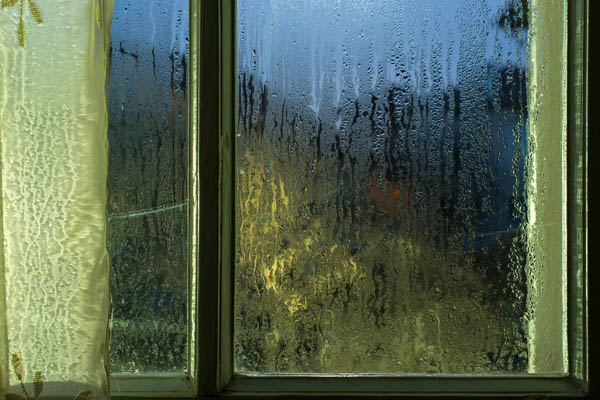
window condensation in attic

Due to the tendency of attics to experience high humidity, selecting a cooling system with robust condensation management features is vital. Systems equipped with a condensate pump or an efficient drainage system are key in preventing moisture-related complications. Discuss these features with your local HVAC provider.

Call Point Bay Fuel today for top-notch HVAC services, and let our team of certified technicians ensure your attic air conditioning system is installed with precision and care.

Explore Our Cooling System Services Call To Schedule A Free Consultation

AC Noise Levels

When choosing an air conditioner for your attic, especially near living areas, it’s important to consider the noise level. Opt for models designed to reduce noise. Features like insulated compressor compartments or variable speed fans effectively minimize sound, ensuring your living space remains peaceful and undisturbed.

Why is an Attic Air Conditioner Important?

questions depicting why is attic cooling important

Installing an air conditioner in your attic is crucial for maintaining comfort and temperature balance throughout your home. Attics are prone to intense heat accumulation, rendering them unusable and even impacting the temperature in the rest of your house. 

With an attic air conditioner, you gain several advantages:

  • Transform your attic into a practical storage area.
  • Utilize the attic as additional living space.
  • Reduce the strain on your primary cooling system.
Explore Our Air Conditioning Services Call To Schedule An Appointment

Types of Air Conditioner for Your Attic

Selecting an air conditioner for your attic relies on your specific needs and the constraints of the space. Here are four types of AC units that are well-suited for attic installations:

Ducted Split System

A ducted split system air conditioner involves a central unit, usually placed outdoors or in a mechanical room, connected to ductwork that runs throughout the home, including the attic. This setup allows cooled air to be distributed through vents in various rooms. Ideal for larger attics or cooling multiple rooms within the attic, these systems require sufficient space for duct installation and effective insulation to reduce energy loss. 

Ductless Mini-Split Systems

woman enjoying ductless cooling

Ductless mini-split systems are ideal for attics, especially where ductwork isn’t viable. Consisting of one or more indoor units and a single outdoor unit, these systems are connected by simple refrigerant lines through a small wall opening. They offer efficient zoning, energy savings, easy installation, and quiet operation, making them a top choice for targeted attic cooling. 

Explore Our Ductless System Services Learn More On How Ductless Works

Through-the-Wall AC Units

Through-the-wall air conditioners, designed to be installed directly in an exterior wall, are standalone units with an integral compressor and cooling system. They require a wall opening for ventilation and are a good fit for cooling smaller attics or specific attic zones. These units are relatively simple to install and save space. 

However, they tend to be noisy, are costly to operate, and can foster mold growth, potentially affecting indoor air quality. Due to these factors, they are often regarded as outdated by HVAC experts. Consider more modern and efficient alternatives, like ductless mini-split systems, for better performance, efficiency, and air quality.

Portable Air Conditioners
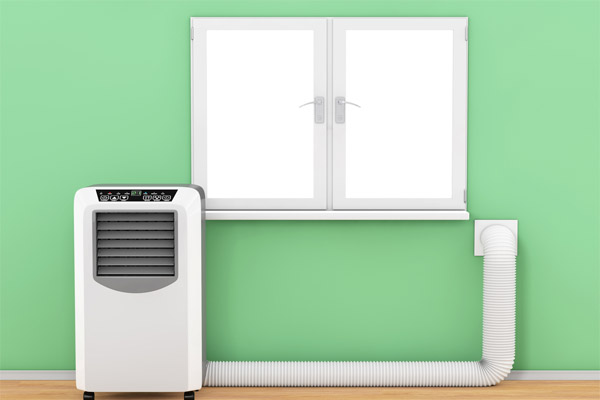
portable air conditioner

Portable AC units, self-contained and movable, are a convenient option for smaller attics or temporary cooling solutions. These units typically include an exhaust hose for venting through a window or an attic opening. 

They’re relatively simple to install but generally offer lower efficiency and performance than other types. Proper venting is crucial to expel hot air from the attic. Given these limitations, consider other more efficient options for sustained attic cooling needs.

Don’t let the unique challenges of attic cooling overwhelm you. Trust Point Bay Fuel to provide personalized HVAC solutions tailored to your attic space. Reach out to us today for reliable service.

Call Point Bay Fuel For An Appointment

Significance of Adequate Insulation & Sealing

Effective insulation and sealing are crucial for attic air conditioning systems. They create a thermal barrier, reducing heat transfer and keeping cool air inside. This leads to a lower AC workload and significant energy savings.

Sealing plays a vital role in the efficiency of attic air conditioning systems. It prevents air leaks through gaps or cracks, leading to the loss of conditioned air and the infiltration of unconditioned air. Proper sealing creates a more airtight attic, allowing the air conditioner to operate more efficiently. It also improves air distribution, ensuring consistent cooling across the attic. 

Effective insulation and sealing in attics are key to preventing moisture-related issues such as condensation, which can lead to structural damage and mold growth and reduce insulation effectiveness. A dry, well-sealed attic promotes a healthier living environment and decreases the likelihood of expensive repairs. Investing in proper insulation and sealing not only boosts the performance and lifespan of your attic AC system but also contributes to a more comfortable and sustainable home. 

Conclusion

Considering the various aspects we’ve explored for attic air conditioners is crucial for a successful installation. Key considerations include effective temperature control, energy efficiency, safeguarding belongings, moisture management, and proper insulation and sealing. 

Engaging a reputable HVAC contractor is a wise step in this process. Their expertise will assist in selecting the appropriate AC unit type, ensuring it’s correctly sized and installed, and optimizing its performance in your attic. You’ll make informed decisions by consulting with an HVAC expert, ultimately achieving a comfortable and efficient cooling solution for your attic. 

Get Started - Call Point Bay Fuel Today

Call Point Bay Fuel for Premier HVAC Services

As the leading HVAC service provider in Ocean County and Monmouth County, New Jersey, Point Bay Fuel boasts a team of highly skilled, certified technicians adept in HVAC tune-ups, repairs, installations, and replacements. We are dedicated to delivering top-tier service and ensuring client satisfaction.

Point Bay Fuel recognizes the value of a comfortable, energy-efficient home. That’s why we offer competitively priced services to enhance your comfort and lower energy costs. Whether you need a repair or a system upgrade, our knowledgeable technicians will guide you to the best solution, considering your budget. We guarantee satisfaction with our work.

For a service appointment, call Point Bay Fuel. We provide free, in-home estimates for informed HVAC decisions. Trust us for exceptional heating and cooling services that go beyond your expectations!

Contact us now by calling (732) 349-5059 to speak to one of our home comfort specialists! Click the link to view our service area.

Point-Bay-Fuel-Logo
Call Now: (732) 349-5059 Read Our Testimonials

Related Articles:

The post Attic Air Conditioners: Essential Features to Keep in Mind appeared first on Point Bay Fuel.

Tuesday, April 2, 2024

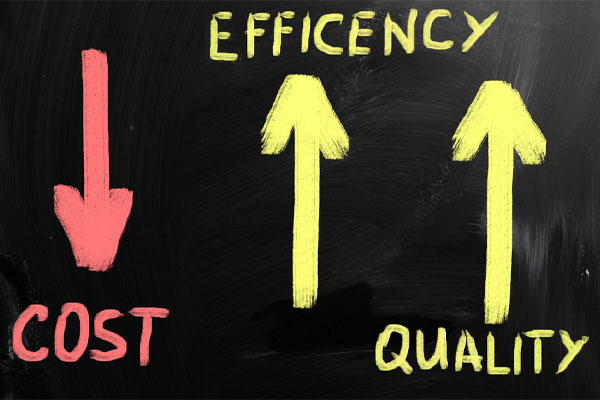
Unlocking the Energy Efficiency of Modern Air Conditioners

efficiency and air conditioner

In an era of rapidly evolving technology, air conditioning systems are not left behind, constantly setting new benchmarks in energy efficiency. For those contemplating either a fresh installation or an upgrade of their current AC unit, this article can help you learn more about today’s energy-efficient air conditioner

Let’s focus on the latest in energy-efficient technology and its advantages. Examining the energy usage differences between older and newer AC models can highlight the substantial energy savings and positive environmental effects of opting for a more efficient air conditioning system.

Explore Our HVAC Services Call To Schedule A Free, In-Home Consultation

How Much More Energy-Efficient Are New Air Conditioners?

Contemporary air conditioners represent a significant advancement in energy efficiency over their predecessors. Utilizing cutting-edge technology, they provide effective cooling with lower energy use. In contrast, older models typically face wear-related issues like component degradation, leaks, or decreased cooling efficiency.

SEER Ratings

modern energy-efficient air conditioning system

The Seasonal Energy Efficiency Ratio (SEER) is a crucial metric that gauges the cooling efficiency of an air conditioner against its energy consumption. Traditional air conditioners often feature SEER ratings around 10 or below. However, contemporary models boast ratings of 14 or more, translating to up to 30% less energy usage for the same cooling effect. Upgrading to a modern air conditioner with a higher SEER rating can bring significant energy savings and reduced utility expenses.

Call Today: (732) 349-5059

Benefits of Upgrading to a Modern Air Conditioner

win win depicting energy efficiency of air conditioner

Upgrading to a modern air conditioner extends benefits well beyond energy efficiency:

Enhanced Cooling Performance

Advanced technologies and design enhancements in new air conditioners significantly boost their performance. They cool spaces more efficiently and uniformly, ensuring greater comfort in hot weather conditions.

Increased Reliability

Older models often face frequent malfunctions and require more repairs. A new unit offers peace of mind with a reduced likelihood of breakdowns, especially during peak summer heat.

Call To Make An Appointment: (732) 349-5059 Explore Our Case Studies

Quieter Operation

Modern air conditioners are engineered for lower noise levels, a stark contrast to older models. This advancement ensures a more tranquil indoor atmosphere, free from the persistent noise of an overburdened or outdated air conditioning system.

Enhanced Indoor Air Quality

homeowner breathing depicting healthy indoor air quality

Modern air conditioners have advanced filtration systems, significantly improving indoor air quality. These systems are adept at capturing and eliminating airborne contaminants like dust, pollen, and allergens. This feature is particularly beneficial for persons with allergies or respiratory issues.

Smart Technology Compatibility

Contemporary air conditioners often feature smart technology integration. This allows for remote control and monitoring of your cooling system through smartphones or other connected devices, providing increased flexibility and control over your home’s climate.

Explore Our Cooling System Services Call To Schedule A Free Consultation

Boost in Home Value

Installing a new, efficient air conditioner can elevate your home’s value. A modern cooling system can be a crucial selling point, attracting potential buyers if you’re considering selling your property.

For expert insights on the enhanced energy efficiency of the latest air conditioners, contact Point Bay Fuel today!

AC Unit Replacement

ac unit installation

Understanding the right time to replace your air conditioner involves various factors. Key indicators include:

  • Age of the Unit: The lifespan of most air conditioners ranges between 10 to 15 years. As your unit approaches or surpasses this age, it’s more likely to experience breakdowns and reduced efficiency, signaling it might be time for a replacement.
  • Increasing Repair Frequency: Investing in a new unit may be more economical if your current air conditioner needs frequent repairs, leading to rising costs. Constant repairs often signal that your system is nearing the end of its life.
  • Higher Energy Bills: A noticeable surge in energy bills, without a change in usage habits, suggests your AC unit is losing efficiency. Newer models are designed for better energy efficiency, offering potential savings on your utility expenses.
  • Inconsistent Cooling: If your air conditioner fails to cool your home evenly or consistently, it could indicate aging or malfunction. A newer model can offer improved performance and enhanced indoor comfort.
  • Excessive Noise: An increased noise level or the emergence of unusual sounds from your AC unit often points to mechanical problems. This is common in older air conditioners and might indicate the need for a replacement with a quieter, more efficient model.
  • Refrigerant Phase-Out: If your air conditioner utilizes R-22 refrigerant, you should be aware of its phase-out due to environmental concerns. It’s advisable to upgrade to a model using a more environmentally friendly refrigerant like R-410A.

Consult a professional HVAC technician to assess your AC unit. They can offer expert advice on whether a replacement is necessary by evaluating your system’s performance, efficiency, and potential repair costs, aiding you in making an informed decision.

Explore Our Air Conditioning Services Call To Schedule An Appointment

Key Factors in Selecting Energy-Efficient AC Units

checklist depicting modern air conditioner features

When choosing energy-efficient air conditioners, consider these crucial aspects:

  • Energy Efficiency Ratings: Pay attention to your AC unit’s EER (Energy Efficiency Ratio) and SEER (Seasonal Energy Efficiency Ratio). Units with higher EER and SEER ratings are more energy-efficient. Opt for models with a high SEER rating, which reflects efficiency across the cooling season.
  • ENERGY STAR Certification: Choose AC units with ENERGY STAR certification. These models adhere to stringent energy efficiency standards the Environmental Protection Agency (EPA) set, offering cost savings on energy expenses and a lower environmental footprint.
  • Variable-Speed Compressors: Opt for air conditioners with variable-speed compressors. These adjust their operational speed to match cooling needs, ensuring more accurate temperature control and energy efficiency.
  • Programmable and Smart Thermostats: AC units compatible with programmable or smart thermostats will allow for scheduling temperature adjustments according to your daily routine, optimizing energy use, and minimizing waste.
  • Dual-Stage or Multi-Stage Cooling: Consider air conditioners with dual-stage or multi-stage cooling capabilities. They offer varied capacity levels to suit different cooling needs, providing enhanced efficiency and energy savings, especially in milder weather conditions.
  • Efficient Air Filters: Seek units with high-quality air filters. Efficient filtering improves indoor air quality and maintains optimal airflow, enhancing the unit’s operational efficiency.
  • Appropriate Size and Capacity: The AC unit must be correctly sized for your space. Both oversized and undersized units can cause inefficiencies and comfort issues. Professional guidance is recommended to determine the right size and capacity for your needs.
  • Warranty Considerations: Examine the warranty provided by the manufacturer. A longer warranty period often reflects confidence in the unit’s durability and performance.

Discover the substantial energy savings of upgrading to a more efficient air conditioning system – reach out to Point Bay Fuel for guidance.

Call Point Bay Fuel For An Appointment

Conclusion

Modern air conditioners represent a significant step forward in energy efficiency, offering notable environmental and economic advantages. Innovations like variable-speed compressors and smart thermostats enhance these units’ energy utilization while providing precise temperature control. Nonetheless, consulting with HVAC professionals is essential when selecting a new air conditioner. 

HVAC professionals can expertly evaluate your specific requirements, recommend the most appropriate unit, and guarantee correct installation. Their expertise, experience, and knowledge are invaluable in navigating the selection process, ensuring you maximize the benefits of energy efficiency and maintain a comfortable indoor atmosphere.

Get Started - Call Point Bay Fuel Today

Contact Point Bay Fuel for Expert HVAC Services

Point Bay Fuel is a standout heating and cooling service provider in Ocean County and Monmouth County, New Jersey. Our professionally certified technicians specialize in HVAC maintenance, repairs, installations, and replacements and are committed to top-quality service for every client.

Understanding the need for a comfortable, energy-efficient home, Point Bay Fuel offers competitive pricing. Our services are made to enhance comfort and reduce energy costs. Whether you need repair or replacement, our experts will guide you to the best solutions within your budget. We guarantee satisfaction with every job.

To schedule a service appointment, call us. We provide free, in-home estimates, ensuring you make well-informed decisions regarding your HVAC systems.

Contact us now by calling (732) 349-5059 to speak to one of our home comfort specialists! Click the link to view our service area.

Point-Bay-Fuel-Logo
Call Now: (732) 349-5059 Read Our Testimonials

Related Articles:

The post Unlocking the Energy Efficiency of Modern Air Conditioners appeared first on Point Bay Fuel.

Monday, March 18, 2024

5 Signs Your HVAC Blower Motor Needs to Be Replaced

the number 5 depicting 5 signs of hvac blower problems

Maintaining a comfortable and healthy home environment heavily relies on the efficient functioning of the HVAC system. The HVAC blower motor is a crucial component responsible for circulating air throughout your living space. At Point Bay Fuel, we pride ourselves on our extensive expertise in HVAC services, dedicating ourselves to ensuring that your systems operate at peak efficiency. 

Recognizing the early signs of a failing blower motor is vital for preemptive maintenance, preventing costly repairs, and extending your unit’s lifespan. This article provides an in-depth look at the five key indicators that signal the need for blower motor replacement. This will provide knowledge for proactive HVAC management.

Explore Our HVAC Services Call To Schedule An Appointment

5 Signs Your HVAC Blower Motor Needs A Replacement

The following sections delve into five specific symptoms of a malfunctioning HVAC blower motor.

1. Unusual HVAC Blower Motor Noises

homeowner listening to hvac system noises

One of the most noticeable signs of a blower motor in distress is the emergence of unusual sounds emanating from your HVAC system. These sounds, ranging from a subtle rattling to a more pronounced screeching, often indicate mechanical issues within the blower motor. 

Point Bay Fuel’s expertise highlights the significance of these auditory signals. A rattling noise could suggest loose parts or debris within the motor, whereas a screeching sound might point to a more severe issue. This can be a failing belt or motor bearings. Ignoring these sounds can cause further damage, resulting in more extensive and costly repairs.

Familiarity with your HVAC system’s normal operational sounds allows for quickly recognizing anomalies. Document the type of sound and its frequency, as this information can be invaluable to HVAC professionals. Contacting a qualified technician, such as those from Point Bay Fuel, at the earliest sign of these noises. Doing so ensures prompt diagnosis and repair, safeguarding the efficiency and longevity of your HVAC system.

Call Today: (732) 349-5059

2. Weak or No Airflow From Your HVAC Blower Motor

A significant decrease or complete absence of airflow from your HVAC vents is a clear indicator of potential issues with the blower motor. When the blower motor is compromised, it struggles to effectively circulate air through the ducts. This leads to noticeably weak or non-existent airflow in various parts of your home. This symptom not only affects the comfort levels in your living space but also signals an underlying problem that could be impacting your HVAC system’s overall health and efficiency.

Before jumping to conclusions about blower motor replacement, conduct some basic troubleshooting first. This includes checking for blockages in the vents, ensuring the air filters are clean, and verifying that all registers are open and unobstructed. If these initial checks don’t resolve the issue, it’s time to consult a professional. An expert from Point Bay Fuel can provide a comprehensive assessment to determine if blower motor replacement is necessary, ensuring your system returns to optimal functioning.

3. Overheating Blower Motor

air conditioner condenser in back of home

An overheating blower motor in your HVAC system often manifests through symptoms like unexpected system shutdowns or the emission of warm air from the vents when cooling is expected. These signs indicate that the motor is working beyond its capacity, leading to excessive heat generation. Overheating can cause the system’s safety mechanisms to activate, resulting in shutdowns to prevent damage. Additionally, the inability of the motor to effectively circulate air can lead to warm air output, which is particularly noticeable during the system’s cooling cycle.

Point Bay Fuel underscores the seriousness of an overheating blower motor, emphasizing the risks it poses to the HVAC system’s functionality and overall lifespan. Persistent overheating can lead to irreversible motor damage, necessitating costly replacements. To prevent such scenarios, regular maintenance is critical. This includes routine cleaning of vents and filters to ensure unobstructed airflow and scheduling regular inspections by professionals. 

Call To Make An Appointment: (732) 349-5059

4. HVAC Electrical Issues

Electrical problems within your HVAC system, such as frequently blown fuses or tripped circuit breakers, can often be traced back to a failing blower motor. These electrical issues arise when the motor is strained or malfunctioning, leading to an overconsumption of power. This excessive electrical demand can overwhelm the system’s circuitry, resulting in blown fuses or tripped breakers as a protective measure. Such signs are indicators of a blower motor issue and can hint at deeper electrical problems within the HVAC system.

Point Bay Fuel emphasizes the importance of handling these electrical symptoms with care and caution. Attempting to diagnose and resolve these issues without proper knowledge can be hazardous. They advocate for a professional evaluation to accurately diagnose the root cause of these electrical anomalies. A thorough inspection by a qualified HVAC expert can differentiate between a blower motor problem and other electrical issues, ensuring correct and safe resolution. 

5. HVAC Blower Motor Age & Continuous Repairs

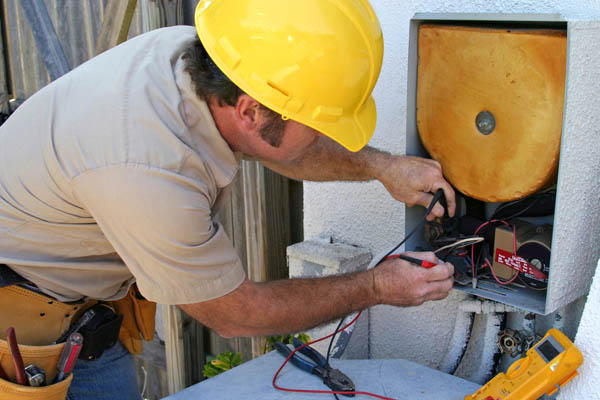
hvac contractor repairing an hvac system

The lifespan of an HVAC blower motor is crucial in determining its reliability and efficiency. As a blower motor ages, it becomes more susceptible to wear and tear, often necessitating frequent repairs. This pattern of continuous maintenance issues can be a clear signal that the motor is nearing the end of its operational life and may require replacement. Frequent repairs cause inconvenience and can be a financial burden over time, indicating that investing in a new blower motor could be a more practical and economical choice.

Point Bay Fuel advises homeowners to be mindful of the expected lifespan of their HVAC blower motors, which usually ranges between 10 to 15 years, depending on usage and maintenance. They recommend evaluating the cost-effectiveness of continuous repairs versus the one-time expense of replacing an aging motor. In cases where repairs become too frequent and costly, opting for a new blower motor can ensure greater efficiency and reliability of the HVAC system. Planning for this replacement involves setting aside a budget and scheduling the installation at a convenient time, preferably before the existing motor fails completely, to avoid discomfort and disruption in your home.

Call Point Bay Fuel Today Explore Our Case Studies

Conclusion

The five pivotal signs indicating the need for a blower motor replacement in your HVAC system are unusual noises, weak or no airflow, overheating, electrical issues, and the motor’s age, coupled with continuous repairs. It’s essential to recognize these symptoms early and understand their potential impact on your system’s performance and longevity. Point Bay Fuel stands ready to provide professional assessment and quality replacement services to ensure your HVAC system operates efficiently and effectively. Count on us for prompt and effective HVAC solutions. Call us now for immediate assistance!

Get Started - Call Point Bay Fuel Today

Contact Point Bay Fuel for Reliable HVAC Services

Point Bay Fuel is renowned for delivering exceptional heating and cooling services in southern New Jersey. Our highly trained and professionally certified technicians specialize in a broad range of HVAC solutions, encompassing tune-ups, repairs, installations, and replacements. Their extensive expertise ensures your HVAC system is in capable hands, receiving the highest care and service.

At Point Bay Fuel, we are dedicated to providing cost-efficient heating and cooling services. Our meticulous maintenance enhances your comfort, optimizes energy efficiency, and reduces your heating and cooling expenses. For those requiring repair or replacement, we offer competitively priced options customized to meet your specific needs. Our commitment is always towards your complete satisfaction. Reach out to Point Bay Fuel today for a complimentary in-home estimate or to book a service appointment.

Contact us now by calling (732) 349-5059 to speak to one of our home comfort specialists! Click the link to view our service area.

Point-Bay-Fuel-Logo
Call Now: (732) 349-5059 Read Our Testimonials

Related Articles:

The post 5 Signs Your HVAC Blower Motor Needs to Be Replaced appeared first on Point Bay Fuel.

Monday, March 11, 2024

Crucial Distinctions Between Central & Forced Air Heating Systems

air conditioner condenser

If you’re in the market for a new HVAC system, either as a first-time buyer or looking to replace your existing one, understanding the distinctions between the different types of systems is crucial. HVAC units are primarily available in two forms: forced air and central air. In this article, we’ll delve into the specifics of central vs forced air systems, outlining the advantages of each. Our goal is to provide comprehensive insights to determine the most suitable option for your home.

Understanding HVAC systems can be challenging due to many technical terms that might be unfamiliar to many. Point Bay Fuel, renowned for being the most knowledgeable and experienced HVAC installers in your region, is committed to providing you with all the essential information needed to purchase a new HVAC system. You can be assured of making an informed and correct decision when you choose our services.

Explore Our HVAC Services Call To Schedule An Appointment

What Is Forced-Air and How Does a Forced-Air System Work?

The term “forced air” is commonly used in the HVAC industry to describe air heating systems. However, this description is somewhat broad. Essentially, a forced-air system encompasses any HVAC unit that propels temperature-controlled air into a residence through a network of vents and ducts.

When HVAC professionals specifically refer to heating in the context of forced air, they typically indicate systems like furnaces or heat pumps. 

How Does a Furnace Work?

hvac contractor servicing a furnace

Furnaces, whether they run on gas, oil, electricity, or propane, follow a similar mechanism to heat homes:

  1. The energy source (propane, oil, natural gas, or electricity) produces heat within the furnace.
  2. This generated heat is transferred to a heat exchanger.
  3. The home’s air, circulating through the ductwork, passes over the heat exchanger and warms up.
  4. A blower propels this heated air through the ducts, distributing warmth throughout the house.

This process is why many refer to furnaces as “forced-air furnaces.” The term emphasizes their function of forcing heated air across various rooms in a home with a blower.

Call Today: (732) 349-5059

How Does a Heat Pump Work?

A heat pump functions similarly to an air conditioner, with the unique ability to provide heating and cooling. It extracts heat from inside the house and releases it outdoors during warmer months. It reverses this process during colder months, drawing heat from the outside air and transferring it indoors.

The heating process of a heat pump involves several steps:

  1. The evaporator unit captures heat from an external source and conveys it to a heat exchanger. Different types of heat pumps source heat from different sources, like the air, ground, or water.
  2. As the refrigerant encounters heat, it transforms into a vapor. This vaporized refrigerant then flows to the compressor, where its compression intensifies the heat.
  3. After transforming into a gas, the refrigerant moves to the condenser. Here, it reverts to a liquid state. The condenser acts as another heat exchanger, enabling the home’s central heating system to absorb the heat.
  4. Subsequently, the system disperses this heat throughout the residence.
  5. Some heat pumps heat water and circulate it through underfloor piping or into radiators for a more evenly distributed warmth. Others employ motorized blowers to propel heated air into the ductwork, effectively warming the house.

What Is Central Air Conditioning and How Does It Work?

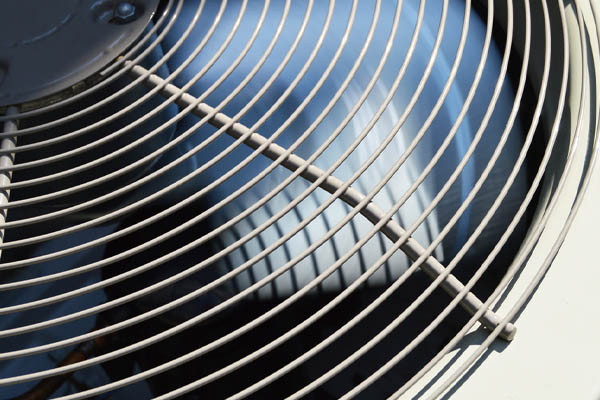
image of an air conditioner fan depicting an air conditioner compressor

Central air conditioning is a system designed to maintain a cool and comfortable environment in a home using a closed loop of refrigerated air. It typically comprises both outdoor and indoor units that operate together. The process of cooling a home with central air involves the following steps:

  1. Warm air from inside the home is drawn into the system through a vent. This air then passes over the evaporator coils, which absorb the heat from the air. The now cold air is circulated back into the home through the ductwork.
  2. After absorbing heat, the refrigerant in a central air conditioning system transitions from a liquid to a gas. This gaseous refrigerant then flows towards the compressor. Inside the compressor, the volume of the gas is reduced, which elevates its temperature and pressure.
  3. Next, this high-temperature gas moves to the condenser in the outdoor unit. This is where it releases its heat to the outside environment. This release of heat enables the gas to change back into a liquid form.
  4. Once the refrigerant cools down, it is recirculated through the system, ready to repeat the cooling cycle.  
Call To Make An Appointment: (732) 349-5059 Explore Our Case Studies

What Is the Difference Between Central Vs Forced Air Systems?

The primary distinction between central air and forced-air systems lies in their specific functions. Central air systems are exclusively designed for cooling purposes. They utilize a network of vents, ducts, and a plenum—a unit essential for air distribution—in a forced-air configuration to circulate temperature-controlled air. Notably, a central air conditioning system often shares the same ductwork as your furnace, allowing it to distribute cool air throughout your home. However, there is no other direct connection between the two beyond this shared duct system.

The similarity in utilizing the same ductwork and employing comparable methods for regulating temperature often leads to confusion between forced air and central air systems. This is a primary reason why many industry professionals tend to use the terms interchangeably.

Should I Choose a Forced-Air or Central Air HVAC System?

homeowner making decisions depicting choosing an hvac system type

A forced-air system provides efficient cooling and enhances indoor air quality through filtration. You have the flexibility to improve this filtration quality as needed. Additionally, a forced-air system can effectively reduce humidity levels naturally, contributing to a more comfortable indoor environment. Maintenance requirements for these systems are generally not excessive, and they can reduce your monthly energy expenses.

Today’s market offers a range of high-performance, energy-efficient air conditioning units. A forced-air HVAC system could be the ideal solution if you’re facing persistent humidity issues in your home. On the other hand, if your home already has a functional air duct system, opting for a central air system might be more suitable. Consult a trustworthy HVAC technician for the installation of your new system. Professional installation guarantees optimal performance and can lead to reduced utility bills.

Conclusion

Heating and cooling systems are vital in ensuring our homes remain comfortable and inviting for both residents and guests. The choice between central vs forced air systems largely depends on your specific environmental needs and personal preferences.

Get Started - Call Point Bay Fuel Today

Contact Point Bay Fuel for Comprehensive HVAC Solutions

Point Bay Fuel is your go-to provider for exceptional heating and cooling services in Ocean County and Monmouth County, New Jersey. Our team comprises highly skilled, professionally certified technicians adept at delivering top-notch HVAC maintenance, repairs, installations, replacements, and more. Each technician has the expertise and experience needed to service your HVAC system efficiently and effectively.

We pride ourselves on offering the region’s most competitive prices for heating and cooling services. Our maintenance solutions are designed to enhance comfort, boost energy efficiency, and lower heating and cooling expenses. In situations requiring HVAC repair or system replacement, Point Bay Fuel is ready to recommend the most suitable options for your home, ensuring they align with your budget. We stand behind our work with a satisfaction guarantee as a testament to our commitment to quality. To arrange a service visit, contact Point Bay Fuel. We provide complimentary, in-home estimates. Call now to get started!

Contact us now by calling (732) 349-5059 to speak to one of our home comfort specialists! Click the link to view our service area.

Point-Bay-Fuel-Logo
Call Now: (732) 349-5059 Read Our Testimonials

Related Articles:

The post Crucial Distinctions Between Central & Forced Air Heating Systems appeared first on Point Bay Fuel.
Tuesday, March 5, 2024

Can Furnaces Work Without Filters?

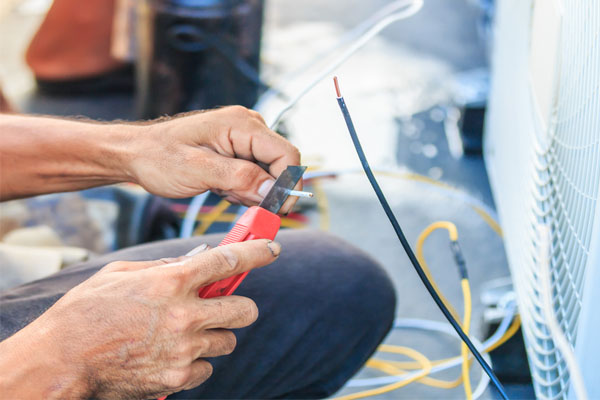
hvac system filter replacement

Furnaces are crucial in ensuring a cozy and warm indoor environment, especially in regions that experience chilly temperatures, by distributing warm air throughout the space. An integral component is the furnace filter. This component captures dust and allergens, maintaining the air’s purity and the furnace’s effectiveness. However, many will still run their system without a filter in place. In this article, we’ll answer a common question, “Can furnaces work without filters?”. We will delve into the necessity of these filters for the optimal functioning of furnaces. We’ll discuss the mechanics of furnace operation with and without the presence of filters.

Explore Our HVAC Services Call To Schedule An Appointment

Exploring the Role of Furnace Filters

Furnace filters, vital components in heating systems, are constructed from fibrous materials. They aim to capture airborne contaminants like dust, pollen, and pet dander. The pleated design of these filters enhances their surface area. This aspect makes them highly efficient at capturing particles. As air passes through the furnace, these filters act as a protective screen, ensuring that only purified air flows into your living areas.

Different Furnace Filter Types

homeowner replacing filter in hvac system

Each type of furnace filter has unique features and capabilities:

  • Fiberglass Filters: Representing the most fundamental and cost-effective option, these filters are crafted from spun fiberglass and excel at capturing larger particles.
  • Pleated Filters: Constructed from superior materials, pleated filters provide enhanced filtration capabilities and are adept at trapping finer particles.
  • Electrostatic Filters: These leverage the power of static electricity to attract and seize particles. They come in both single-use and reusable variants.
  • HEPA Filters: Standing out for their exceptional efficiency, HEPA (High-Efficiency Particulate Air) filters can filter out even the smallest particles, including viruses and bacteria.
Call Today: (732) 349-5059

Significance of Furnace Filters

Furnace filters serve as a vital element in maintaining the purity of indoor air and safeguarding the furnace itself. By capturing harmful particles, these filters circulate clean air and avert the accumulation of dust and debris, which can result in wear and tear on the furnace’s internal components. This prolongs the lifespan and boosts the furnace’s efficiency, resulting in lower maintenance expenses and heightened system reliability.

Functionality of Furnaces Without Filters

sneezing due to poor air quality

It is technically possible for furnaces to operate without filters, but this practice has significant drawbacks. Operating a furnace devoid of a filter allows for the unimpeded circulation of dust and allergens, which can substantially deteriorate indoor air quality and overall comfort. As time passes, this unfiltered air can seriously harm the furnace’s internal mechanisms, diminishing its efficiency, accelerating wear and tear, and potentially culminating in costly repairs.

Call To Make An Appointment: (732) 349-5059

Hazards of Utilizing Furnaces Without Filters

Operating a furnace without a filter entails risks that affect more than just the furnace:

  • Adverse Effects on Furnace Parts: The absence of a filter leads to dust and debris accumulation on critical parts like the blower motor and heat exchanger. This buildup can cause overheating and a decrease in efficiency, which may eventually result in total system breakdown.
  • Health Implications: The furnace filter’s role in maintaining clean indoor air is crucial, particularly for individuals with allergies, asthma, or other respiratory issues. Without a filter, a furnace becomes a conduit for harmful particles throughout the home, aggravating these conditions. This concern extends even to those without pre-existing respiratory problems, as poor air quality can cause discomfort like eye, nose, and throat irritation and potentially contribute to more serious long-term health complications.

Perspectives on Running Furnaces Without Filters

thumbs down depicting using an hvac system without an hvac air filter

The debate over the use of high MERV-rated furnace filters centers on concerns that they might impede airflow and reduce efficiency. Some suggest removing filters temporarily during high dust activities like renovations. However, modern furnaces are designed to work best with filters, which can actually enhance efficiency by preventing dust accumulation, reducing the need for repairs, and prolonging the furnace’s lifespan. Importantly, filters improve indoor air quality, trapping harmful particles and contributing to a healthier home environment, thereby challenging the idea of operating furnaces without filters.

Best Furnace Filter Practices and Recommendations

When choosing a furnace filter, it’s crucial to select one that matches your furnace model to avoid impacting its performance. Consider your household’s specific needs, such as allergies or pets, and balance these with your budget, as higher-end filters offer better filtration but at a greater cost. Additionally, understand MERV ratings to ensure you choose a filter that effectively traps particles without restricting airflow, aligning with both your home’s air quality requirements and system compatibility.

Call Point Bay Fuel Today Explore Our Case Studies

Maintaining and Replacing Furnace Filters Effectively

For optimal performance and air quality, adhere to these maintenance and replacement guidelines:

  • Routine Inspections: Inspect your furnace filter every month. This is particularly important during seasons of heavy usage or if you have pets in the home.
  • Changing Filters Regularly: Standard practice is to replace furnace filters approximately every 90 days. However, households with pets or residents with allergies might need to change filters more frequently to maintain air quality and furnace efficiency.
  • Identifying a Dirty Filter: Visible signs of dirt buildup, a perceptible decline in the quality of indoor air, or a decrease in heating efficiency are clear indicators that your furnace filter needs replacing.
  • Stocking Extra Filters: It’s a good practice to have spare filters readily available. This ensures you can promptly replace a dirty filter without delay.

Regular and timely attention to furnace filter maintenance is not just about ensuring the furnace’s efficient operation; it significantly enhances the air quality in your home.

Innovations and Emerging Trends in Furnace Filter Technology

family at home in winter depicting comfortable furnace heating system

The furnace maintenance industry is rapidly evolving with technological innovations like smart filters and monitoring systems. These advanced solutions can alert homeowners when a filter needs replacing and continuously monitor air quality, enhancing maintenance precision and potentially extending furnace life and improving indoor air quality.

In the realm of sustainability, eco-friendly furnace filters are gaining prominence. These filters, often made from biodegradable or recyclable materials, minimize environmental impact and optimize energy use, contributing to the energy efficiency of home heating systems. This shift not only benefits the environment but also offers cost savings for homeowners, indicating a future rich with innovative and sustainable advancements in furnace filters.

Learn More About Our Home HVAC Services Call To Make An Appointment

Conclusion

By answering the question, “Can furnaces work without filters?”, you’ve learned that forgoing a furnace filter can lead to poor air quality. It can lead to health risks and increased costs due to furnace damage. Regular upkeep and timely replacement of filters are crucial for optimal furnace performance and air quality. Innovations like smart and eco-friendly filters further enhance efficiency and reduce environmental impact. Homeowners should prioritize proper filter selection and upkeep and stay informed about new furnace technologies for efficient, safe, and eco-friendly heating.

Get Started - Call Point Bay Fuel Today

Call Point Bay Fuel for All Your HVAC Needs

Point Bay Fuel stands as your trusted heating and cooling provider in Ocean County and Monmouth County, New Jersey, dedicated to enhancing your home’s comfort and efficiency. Our professionally certified technicians are experts in a wide range of HVAC services, including maintenance, repairs, and installations. We are committed to using the latest HVAC technologies and practices to ensure your system operates at its best.

Not only do we offer competitive pricing, but our focus on energy efficiency also helps reduce your heating and cooling expenses. At Point Bay Fuel, we understand the importance of finding cost-effective and suitable solutions that fit your budget. With our satisfaction guarantee, you can trust in the quality of our service. Contact us for a free in-home estimate and to schedule your next HVAC service. Experience the Point Bay Fuel difference in HVAC care today.

Contact us now by calling (732) 349-5059 to speak to one of our home comfort specialists! Click the link to view our service area.

Point-Bay-Fuel-Logo
Call Now: (732) 349-5059 Read Our Testimonials

Related Articles:

The post Can Furnaces Work Without Filters? appeared first on Point Bay Fuel.

Monday, February 26, 2024

Clearing the Air: Unveiling the Health Risks of Poor Indoor Air Quality

air quality depicting signs for better air quality at home

Most of us spend nearly 90% of our time inside, where the quality of air can be significantly worse than outdoors—up to 2 to 5 times more polluted, in fact. This reality brings to light the essential role that indoor air quality plays in our everyday lives. The air we breathe within our homes, offices, or public spaces directly and profoundly affects our health, causing poor indoor air quality symptoms. This is a fact that is too often overlooked in our daily considerations.

This article aims to unravel the true essence of indoor air quality, examining its profound implications on our health. We will delve into why sustaining prime air quality, particularly through the longevity of furnaces, transcends mere comfort and emerges as an essential aspect of health preservation. We will guide you toward ensuring the air you breathe within your indoor spaces is as pure and beneficial to your health as it can be.

Explore Our HVAC Services Call To Schedule An Appointment

Introduction to Indoor Air Quality

Indoor Air Quality (IAQ) pertains to the air quality inside and around buildings and structures, focusing on how it affects the health and comfort of occupants. Multiple factors, such as pollutant levels, ventilation system efficiency, and the humidity within the environment, influence IAQ. It covers various components, including but not limited to carbon monoxide, radon, volatile organic compounds (VOCs), and various forms of particulate matter.

Understanding the Value of IAQ

homeowner relaxing on couch depicting indoor air quality at home

The criticality of IAQ is immense. Considering the substantial amount of time we spend indoors, the caliber of air we inhale is crucial to our health and general wellness. Substandard IAQ can precipitate a spectrum of health concerns, varying from headaches and fatigue to more severe respiratory ailments and chronic health conditions. Hence, prioritizing excellent IAQ is fundamental, serving as a means to comfort and a key component in sustaining our overall health.

Call Today: (732) 349-5059

Determinants of IAQ

The quality of indoor air is shaped by multiple elements, such as:

  • Architectural Structure: The building’s architectural layout significantly influences air flow and the quality of the air inside.
  • Airflow Systems: Adequate ventilation is key for replacing indoor air with fresher air from outside, thus diluting indoor pollutants.
  • Indoor Activities: Various activities, including cooking, cleaning, and using some personal care products, can emit pollutants into the indoor environment.
  • External Environment: The air quality outside, weather patterns and the building location, can significantly impact indoor air quality.

Grasping these components is essential in enhancing indoor air quality. With Point Bay Fuel, you can adeptly tackle the intricacies of IAQ to guarantee that your indoor environment remains healthy and secure.

The Unseen Peril: Identifying Poor Indoor Air Quality

vocs and air quality

Poor IAQ is often the result of a range of pollutants, some of which are imperceptible to our sight and smell. Prominent pollutants are:

  • Volatile Organic Compounds (VOCs): These chemicals are present in common household items, including paints, varnishes, and cleaning supplies. VOCs can vaporize into the air, leading to potential health problems such as headaches and, in cases of prolonged exposure, organ damage.
  • Particulate Matter: They are minuscule particles or droplets suspended in the air, like dust, pollen, and mold spores. These particles are small enough to infiltrate the lungs deeply and may even make their way into the bloodstream.
  • Carbon Monoxide (CO): This is an invisible, odorless gas that emanates from the combustion of various fuels. In elevated concentrations, CO can be deadly.
  • Radon: This naturally occurring radioactive gas can seep into buildings through foundation cracks. It is a notable risk factor for lung cancer.
  • Biological Contaminants: This group encompasses mold, bacteria, viruses, and pet dander. These agents can trigger respiratory problems and allergic reactions in individuals.
Call To Make An Appointment: (732) 349-5059

Sources of Pollution

The typical sources of these pollutants in indoor spaces are frequently found in everyday objects and activities, such as:

  • Construction Elements: Some insulating materials, specific types of paints, and pressed-wood products are known to emit pollutants into the surrounding air.
  • Furnishings: Items like upholstered furniture and carpets often become reservoirs for dust mites and mold spores.
  • Cleaning Agents: Numerous household cleaning products are composed of chemicals that can exacerbate indoor air pollution.
  • Heating Appliances: Furnaces and other heating systems, if not regularly and properly maintained, can evolve into major emitters of carbon monoxide and additional pollutants.

Consistent maintenance and adequate ventilation are crucial in counteracting these sources of pollution. With a professional’s help, you can effectively identify and tackle these hidden hazards in your home or workplace, ensuring a safer and healthier indoor environment.

Acute Health Implications: Recognizing Symptoms and Risks

woman sneezing depicting poor indoor air quality

Indoor air pollutants can irritate the throat, nose, and eyes, leading to discomfort and an increased risk of respiratory infections, especially in those with compromised immune systems. Immediate exposure to certain pollutants like VOCs and carbon monoxide can cause acute symptoms such as headaches and nausea, which are exacerbated in poorly ventilated areas.

Compromised indoor air quality can trigger asthma attacks and exacerbate allergy symptoms, evident in coughing, wheezing, and shortness of breath for those sensitive to these conditions. Improving indoor air quality is essential for health and comfort, and collaborating with Point Bay Fuel is an effective way to address these challenges and create a healthier indoor environment.

Call Point Bay Fuel Today Explore Our Case Studies

Long-Term Health Implications: Persistent Exposure and Risks

Continuous exposure to indoor air pollutants like radon and particulate matter is linked to serious health issues, including lung cancer and chronic obstructive pulmonary disease (COPD), highlighting the importance of consistently managing air quality. 

Prolonged exposure to these pollutants also increases the risk of cardiovascular diseases. This includes heart attacks and coronary artery disease due to their harmful effects on blood vessels and heart function. Additionally, recent studies suggest that long-term exposure to poor indoor air quality may negatively impact neurological health. They can potentially contribute to cognitive decline and a higher risk of neurodegenerative diseases.

Vulnerable Groups: Who is Most at Risk?

kid with asthma and indoor air quality

Children, due to their developing bodies and respiratory systems, are at heightened risk of long-term health complications. The elderly, often possessing weaker immune defenses, are more vulnerable to the adverse effects of poor IAQ.

Individuals with pre-existing respiratory and heart conditions also face increased risks. Indoor pollutants can exacerbate their symptoms and cause further health complications.

Learn More About Our Home HVAC Services Call To Make An Appointment

Strategies for Air Quality Enhancement

Effective mitigation of indoor air pollution requires proper ventilation. This involves more than just opening windows. It includes using exhaust fans and dedicated ventilation systems for efficient air circulation and removal of airborne contaminants. It’s also vital to identify and minimize pollution sources. Choose low-VOC products, maintain appliances, and reduce the use of air fresheners and candles. Additionally, using air purifiers and filters can remove particles and pollutants. Incorporate houseplants that can help absorb toxins, although their impact on air quality is typically minor.

Conclusion

The detrimental effects of poor indoor air quality are extensive. They range from respiratory issues and headaches to chronic illnesses and neurological effects. Some have particularly pronounced impacts on more susceptible groups. Address these risks by controlling pollutant sources, enhancing ventilation, and utilizing air purification methods.

Get Started - Call Point Bay Fuel Today

Contact Point Bay Fuel for Comprehensive HVAC Solutions

Point Bay Fuel is your go-to provider for exceptional heating and cooling services in Ocean County and Monmouth County, New Jersey. Our team comprises highly skilled, professionally certified technicians adept at delivering top-notch HVAC maintenance, repairs, installations, replacements, and more. Each technician has the expertise and experience needed to service your HVAC system efficiently and effectively.

We pride ourselves on offering the region’s most competitive prices for heating and cooling services. Our maintenance solutions are designed to enhance comfort, boost energy efficiency, and lower heating and cooling expenses. In situations requiring HVAC repair or system replacement, Point Bay Fuel is ready to recommend the most suitable options for your home, ensuring they align with your budget. We stand behind our work with a satisfaction guarantee as a testament to our commitment to quality. To arrange a service visit, contact Point Bay Fuel. We provide complimentary, in-home estimates. Call now to get started!

Contact us now by calling (732) 349-5059 to speak to one of our home comfort specialists! Click the link to view our service area.

Point-Bay-Fuel-Logo
Call Now: (732) 349-5059 Read Our Testimonials

Related Articles:

The post Clearing the Air: Unveiling the Health Risks of Poor Indoor Air Quality appeared first on Point Bay Fuel.