Monday, September 27, 2021

Ductless Mini-Split Lifespan: How Long Should My Unit Last?

image of a ductless mini-split system

Anyone would agree that they want a good return of investment when they pay a high price. This is especially true for HVAC systems. Since a heating and air conditioning system costs thousands of dollars, it is a substantial investment for the average homeowner. Therefore, many homeowners want their HVAC system to last for a very long time. Typically, their search often leads to ductless mini-split systems.

In this article, we talk about ductless mini split lifespan. We’ll also go over the factors that can affect a ductless system’s longevity and compare a ductless system with a central HVAC unit.

Explore Our Ductless System Services Call To Schedule An In-Home Estimate

Ductless Mini-Split Lifespan: How Long Should My Unit Last?

Most traditional air conditioners last for about ten years or so. Although a decade sounds very long, ductless mini-split air conditioners last even longer.

These systems have a lifespan of 20 years and more, especially if it’s taken care properly. Very few appliances have this long of a lifespan, which is proof that ductless mini-split systems are indeed worth the money you spend.

Unfortunately, this 20-year lifespan is not guaranteed. Without proper care and maintenance, it’s unlikely that an HVAC unit can operate for that long.

If you want your system to have a long service life, you need to be aware of some factors that may affect its longevity. Also, you need to take some proactive steps that will help prolong your ductless system’s lifespan.

Call Today: (732) 349-5059

Factors That Affect Ductless HVAC Longevity

1. Level Of Care Your Ductless Mini-Split Receives
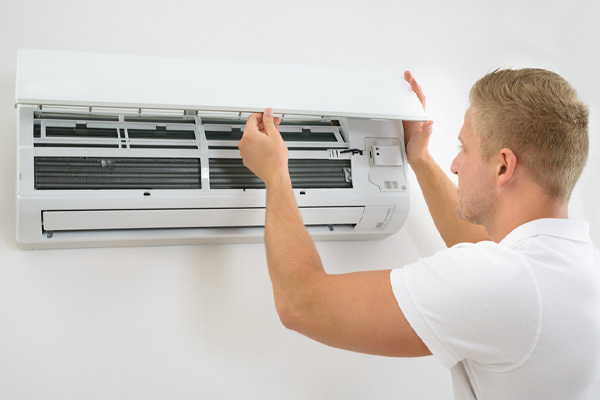
image of ductless hvac maintenance

Like many home appliances, HVAC systems need to be taken care of to perform their best for an extended period.

Of course, this doesn’t mean that you should always fuss about them. Instead, performing simple tasks, like checking the air filters on a monthly basis, makes a world of difference. You also need to clean or replace the filter when it is dirty so that there’s always good airflow.

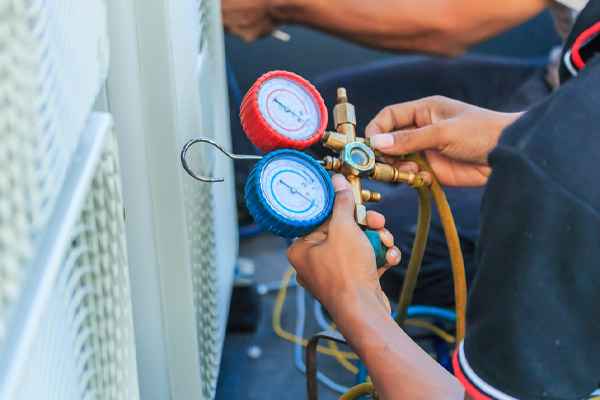
Another thing you should do is schedule professional maintenance at least twice a year. This way, certified HVAC technicians can come to your home to open the unit, inspect its components, clean the necessary parts, and perform tests to ensure that the whole system is working well.

Technicians can also make some needed adjustments to ensure that your ductless system remains energy-efficient and problem-free.

Learn More On How Ductless Works Click Here To Request A Free Ductless Consultation

2. Frequency Of Use

When you use a heating and cooling system frequently, it’s only natural for the components to wear out. After all, most homeowners depend on their HVAC systems throughout the year, especially if they live in areas with extreme temperatures.

If you live in an area with hot summers and cold winters, it’s best to help your unit by reducing the system load. For example, you can use milder thermostat settings. At best, it would be helpful to maintain indoor temperatures at 71 to 78 degrees Fahrenheit, which is enough to keep all family members comfortable.

Whenever you’re away, it’s recommended to turn the temperature down when your ductless mini-split is in heating and turn the temperature up when the system is cooling. This will help keep the energy costs manageable and also reduce the wear and tear on your system.

3. Quality Of Ductless Heat Pump Equipment
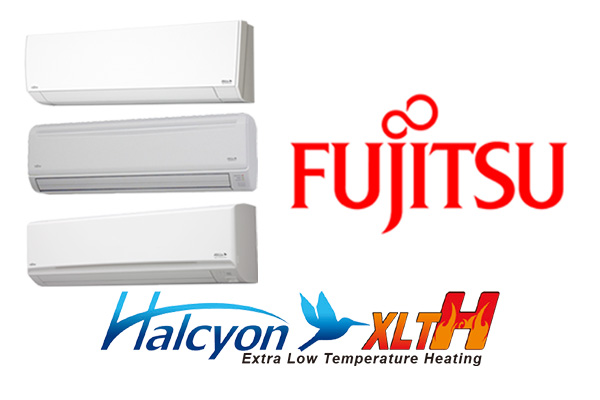
fujitsu wall-mounted ductless indoor air handlerAs with most machinery, the quality of the ductless system makes a difference.

Less expensive models are normally made from cheap materials. So, although it may be tempting to purchase a low-priced unit, you might want to think about this ahead of making a purchase.

Of course, we’re not saying that all affordable HVAC units are not high-quality systems. However, if possible, try to consult with a reputable HVAC contractor to help you find better options that fit within your budget. By consulting with a reputable HVAC contractor, you can also get information about the quality of equipment, warranty, recommended brands, and other related topics.

How Ductless Works Click Here To Explore Ductless Applications

4. Proper Ductless Heating & Cooling Installation

Your HVAC system’s performance and longevity will also depend on how well the HVAC installation company can do its job. After all, these people are the ones who will assemble your unit on site.

Expert installers should know how to find ideal spots for the indoor and outdoor units, check if there’s adequate clearance around these, and ensure proper fitting for the connecting pipes and cables.

5. Correct Ductless Mini-Split Sizing
fujitsu ductless winner 2018 in Point Pleasant NJ

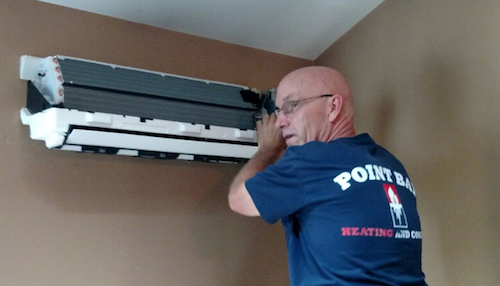
A smaller ductless system may cost less than a bigger one, but that doesn’t mean that it will help save money.

After all, the one rule you should always keep in mind when buying ductless HVAC systems is to find a size that is adequate for your home. This means that the unit must not be bigger or smaller than what you need to cool or heat your home.

Getting an undersized ductless unit will cause the system to work harder and longer just to reach the ideal indoor system. For this reason, components would be prone to wear and tear, significantly affecting the system’s lifespan. On the other hand, installing an oversized ductless mini-split system will result in short-cycling, which can also wear out a system’s components.

If you wish to find out what ductless system size you need, ask an experienced HVAC installer. They can calculate how much power you need for your home. After that, find a ductless system that can match the load you need.

Call To Schedule A Free Consultation

6. Environmental Conditions

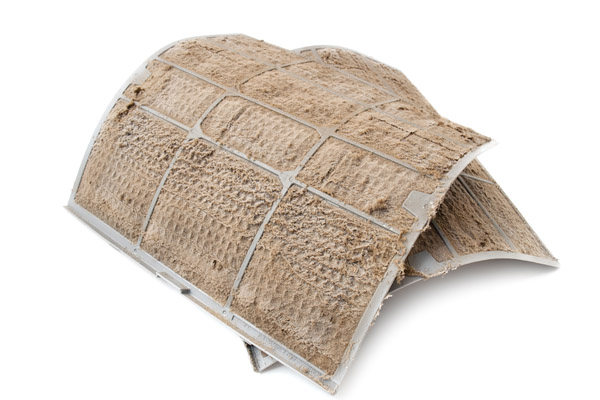
image of dirty ductless mini-split filters

There are also certain environmental conditions that impact the longevity of a ductless HVAC unit.

If you live in coastal areas, you’ll have to deal with salty air that can make components corrode. Also, if you live in an area that is dry and dusty, you may find that the air filters get dirty quickly, meaning that you’ll have to replace or clean them more frequently to prolong the system’s lifespan.

Learn More On How Ductless HVAC Systems Work Click Here To Learn More About Ductless Pricing

HVAC Lifespan: Ductless HVAC Vs. Central HVAC Units

As mentioned above, ductless units tend to last longer than central ducted HVAC systems. This is mainly because of the difference in the design between the two, which impacts the system’s compressor.

The compressor is considered the heart of an HVAC system. Once it fails, that’s an indicator that the system will require a replacement. Below, we present some reasons why central HVAC units experience compressor failures:

1. High Static Pressure
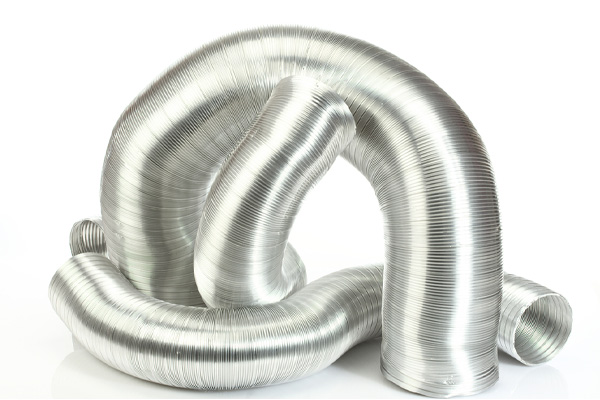
image of a hvac ductwork

First, we have high static pressure, which is normally caused by incorrect duct sizing or installation.

Incorrect sizing of the ductwork can cause stress on the system, triggering the compressor to overheat. Though this may be a common problem with central systems, you won’t experience the same problem with ductless systems since they don’t implement the use of ducts.

2. Hard Starts

Repeated hard starts are one of the leading causes of why a central system experiences major wear and tear.

Fortunately, ductless mini-split systems use inverter technology that provides variable speeds. Instead of the compressor turning on at full speed all of the time, ductless technology offers a variable speed that allows it to ramp up and down.

3. Dirty Evaporator Coils

If ducts have leaks, dirt and dust can get stuck. These particles will then settle on the system’s surface, allowing the coil to get dirty and preventing the system from expelling enough heat. As a way to compensate, the compressor needs to work harder.

On the other hand, mini-split systems don’t use ductwork which means leaky ducts and dirt accumulation are not an issue.

Download Ouor Free Fujitsu Ductless Product Guide Click Here To Request A Free Ductless Consultation


Conclusion

Ductless mini-split systems do have a longer lifespan compared to traditional HVAC systems. Thanks to the lack of ducts and improved HVAC technology, these systems can operate more efficiently, which contributes to a longer lifespan.

A high-quality ductless HVAC system will last for two decades, especially if it is taken care of. This makes them an excellent investment for any homeowner. If you are interested in learning more about ductless systems, call an experienced HVAC contractor like Point Bay Fuel. You can always schedule a home visit to discuss more details about the system and get a free estimate.

Call Point Bay Fuel To Learn More About Ductless HVAC Systems

Point-Bay-Fuel-Logo
Point Bay Fuel offers superior heating and cooling services in Ocean and Monmouth County, New Jersey.

Our team of certified technicians can provide you with excellent HVAC services, including tune-ups, repairs, replacements, and more. Each technician has outstanding knowledge and experience to serve your HVAC system needs correctly.

Point Bay Fuel guarantees to provide the most competitive heating and cooling service costs in the area. Our maintenance services will improve your comfort, increase your system’s energy efficiency, and reduce your home’s heating and cooling costs.

Need your system repaired or replaced? We’ll recommend the best solution for your home while working within your budget. The best part is, all our work is backed with a guarantee to ensure your satisfaction. To schedule a service appointment, give us a call today! We also offer in-home estimates.

Call Now: (732) 349-5059 Read Our Testimonials

Contact us now by calling (732) 349-5059 to speak to one of our home comfort specialists!

The post Ductless Mini-Split Lifespan: How Long Should My Unit Last? appeared first on Point Bay Fuel.

Monday, September 20, 2021

What Is #2 Heating Oil?

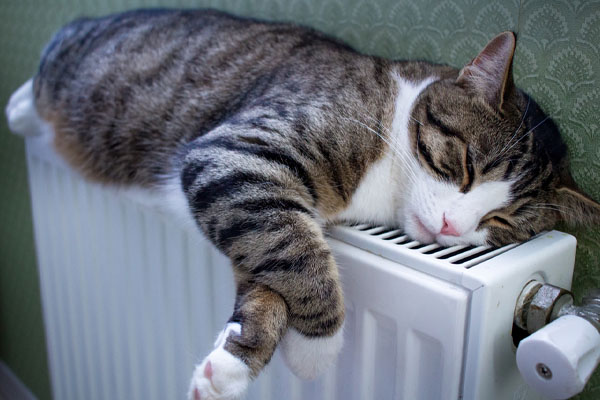
cat on radiator depicting home heating oil system

The winter season can be very challenging in certain parts of the US. Because of this, many homeowners need a reliable heating system to stay comfortable and safe during these cold months. A few things that need attention are getting the heating system tuned up and stocking up on home heating oil. Some common oils we know are kerosene, #1 heating oil, diesel fuel, and #2 heating oil.

All of the fuels that are mentioned above have their own unique characteristics and application. However, #2 heating oil is undeniably the most important fuel you’ll need for your home.

Explore Our Heating Oil Delivery Services Call Today To Order Fuel

What Are The Different Types Of Heating Oils?

All types of fuel oils are derived from crude oil. They are byproducts of the distillation process. Each of them is produced at different stages in the process. These fuel oils are also known to generate a large amount of heat when burned.

Each distillate weighs differently from the other. This, of course, depends on the refinement that they underwent. Below, we arrange them from the lightest to the heaviest oil:

1. Kerosene

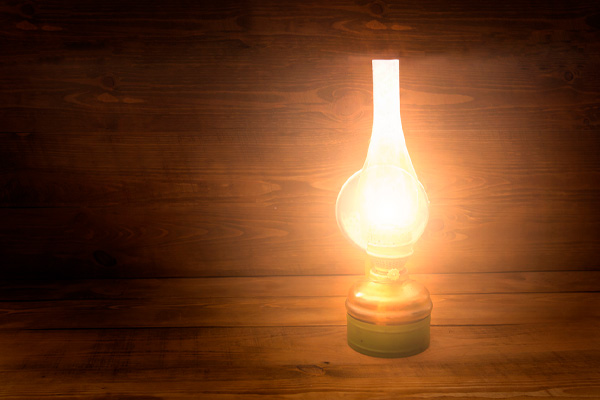
old kerosene lamp

Kerosene is the lightest fuel oil you can use for home heating. This fuel is made through the refinement of #1 fuel oil, filtering its impurities. Because of this, kerosene has a cleaner burn and is generally safe to use indoors. On top of that, it has a low viscosity and boiling point.

This fuel type is often used for portable heat sources outdoors or indoors. It’s very convenient if you don’t have a furnace installed or you’re in a newly constructed building.

Many people rely on kerosene, especially during power outages or camping trips, as most kerosene lamps can provide lighting that can last for long hours. The best part is, kerosene lamps usually come with beautiful designs and features, like an odor suppressor, so it doesn’t feel like you’re even using fuel oil.

Call Today: (732) 349-5059

2. #1 Fuel Oil

There are many similarities between #1 fuel oil and kerosene as the latter is mainly derived from the former.

However, because the #1 fuel oil underwent less processing, you can expect it to be heavier, have a higher viscosity, and contain more impurities.

This fuel is often used for portable heaters and outdoor heating materials like stoves. But unlike kerosene, it can’t be used indoors as it doesn’t produce a clean burn.

Exhaust fumes from #1 fuel oil can be very harmful if you breathe them in. But if used outdoors, impurities are easily diluted in the air, making it safer for you and your family.

3. Diesel Fuel

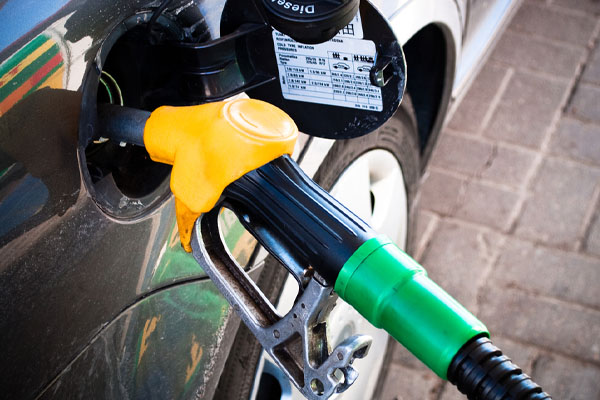
image of diesel fuel pump

Diesel fuel is widely available and is very familiar to all because it is easily found in fuel pumps at the local gas station.
There are mainly two types – the untaxed and taxed diesel fuel.

Untaxed diesel fuel is easily recognizable as it’s hinted with a red dye. This fuel is what’s usually used in construction machines and other off-road vehicles. What most people like about this diesel fuel is that it has low sulfur content, making it eco-friendly.

On the other hand, taxed diesel fuel has a natural light green tone and is mainly used for cars and trucks traveling on main roads. But, this type of fuel does come with a higher price than the untaxed one.

When it comes to heating appliances at home, you can easily mix diesel fuel with the #1 fuel oil to minimize sludge formation during winter. However, it’s best not to do this yourself but contact a heating expert instead to confirm if it’s the best course of action.

Learn More About Our Heating Oil Delivery Services Call Today To Schedule An Oil Delivery

4. #2 Fuel Oil

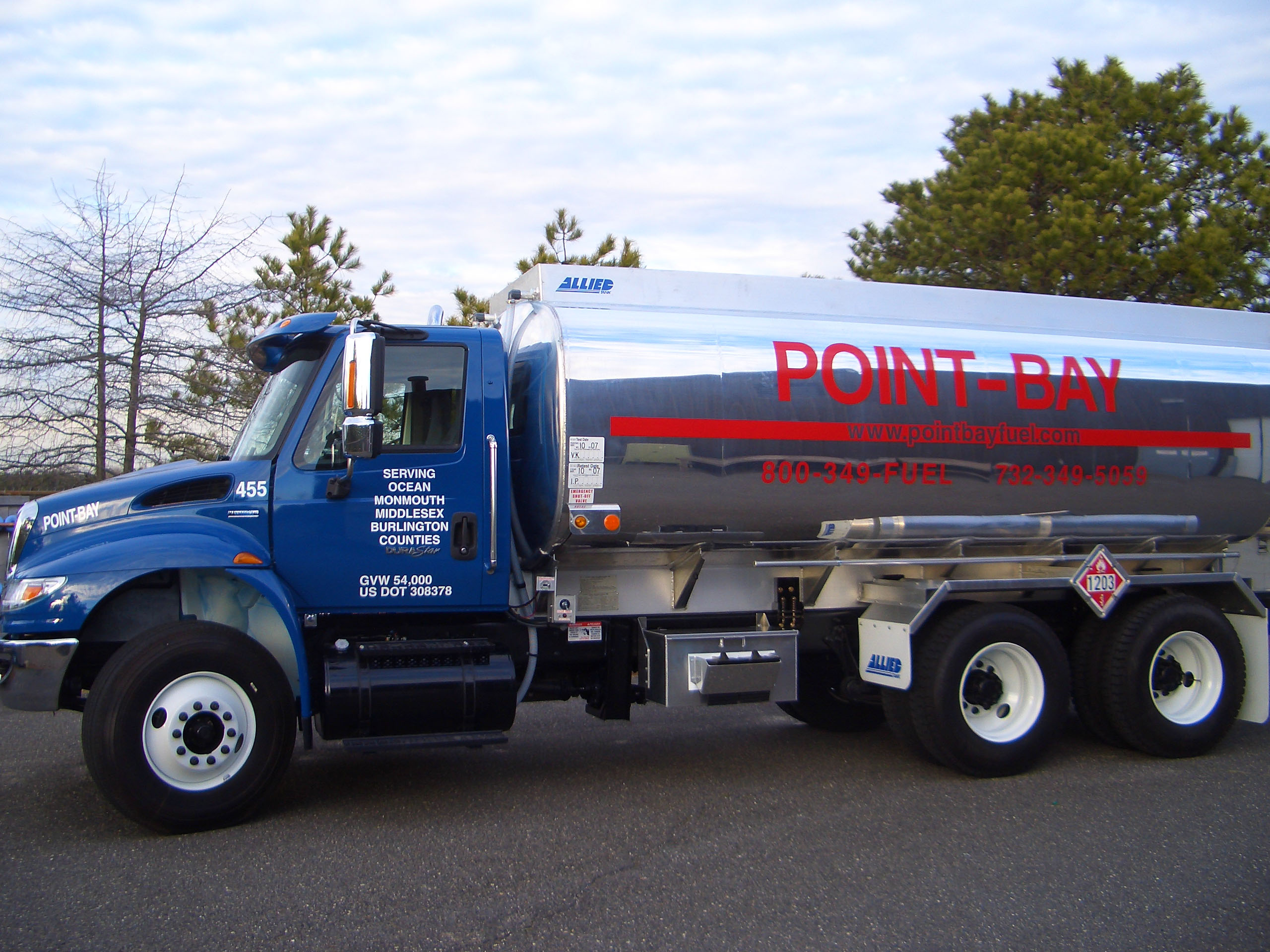
PB Oil Truck

Number 2 fuel oil is the heaviest of the four. Virtually, it’s almost the same with diesel fuel in terms of chemical composition. However, unlike diesel fuel, the #2 fuel oil has a tax-free status, keeping the prices low and making it an ideal heating oil for people’s homes.

Because it’s tax-free, it contains the same red dye as seen in untaxed diesel fuel. But, although they’re the same in appearance, #2 fuel oil is very important in winter as it goes into boilers and furnaces rather than cars.

You can also call this fuel home heating oil because that’s what it’s mainly used for.

Because diesel and the #2 fuel oil are very similar, it’s actually possible to use them interchangeably to provide home heating. However, most people don’t do this as it can be very impractical, given the fact that diesel is a lot more expensive than #2 fuel.

What’s nice, though, is that if deliveries are delayed, or you run out of fuel and you need something for emergencies, it’s easier to go pump and purchase diesel as an alternative.

On the other hand, you can’t place #2 fuel in a diesel car. This is illegal, and once cops find out that you’re using this kind of fuel to run your car, you might face charges. So, always follow the law and use every fuel or product mentioned above according to its intended application.

Call Now To Order Fuel: (732) 349-5059

#2 Fuel Oil For Home Heating

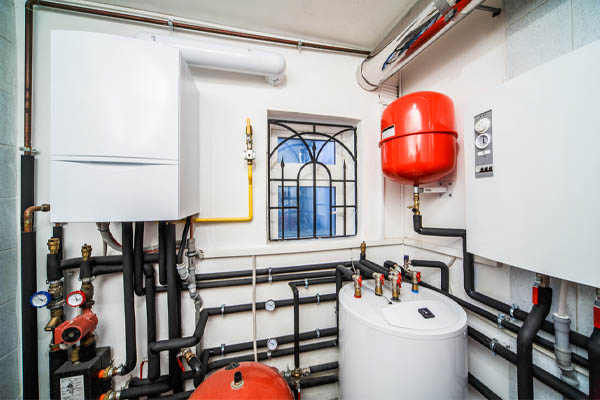
image of a boiler with expansion tank

Number 2 fuel oil is the most widely used fuel for home heating out of the four. It has a high BTU rating and can also produce the greatest amount of heat.

If you contact an oil supplier to deliver some oil, oil companies often send out trucks carrying only #2 fuel. However, they may also inform you if they’re bringing fuel blends that are more suitable for your heating oil tank or the current temperatures out.

For example, if you placed your above-ground tanks outdoors, you immediately subject them to extremely cold weather. Because of this, it’s best to use a blend of #1 and #2 fuel to produce a mix that would create less sludge. You can do this or even mix the #2 fuel with kerosene, resulting in a fuel that produces a cleaner burn.

Now, the ratio would always depend on different factors, and only your oil provider would know. So, make sure to contact them and don’t create a blend of your own.

Learn More About Our Fuel Oil Delivery Services Call Point Bay Fuel To Schedule An Oil Delivery


Call Point Bay Fuel For Superior Home Comfort Solutions

Point-Bay-Fuel-Logo

Point Bay Fuel offers superior heating oil deliveries and HVAC services in Ocean and Monmouth Counties, New Jersey. Our heating oil deliveries are fast, reliable, and affordable, and we always keep your safety in mind. We offer various heating oil delivery plans and financing options. This way, you can customize your fule deliveries to meet your needs. Likewise, we hire the best-certified HVAC technicians who can provide you with excellent HVAC tune-ups, repairs, installations, and replacements. Each of our techs has the knowledge and experience to service your HVAC system correctly.

Point Bay Fuel guarantees the most competitive home comfort service costs in the area. Our maintenance services can improve your comfort and energy efficiency while reducing your home HVAC costs. If you are interested in improving your indoor air quality, then look no further. Our experts know the most advanced solutions to achieve all of your home comfort needs. All of our services are backed with a guarantee to ensure your satisfaction. To schedule an appointment, give Point Bay Fuel a call today. We offer free, in-home estimates.

Call Today: (732) 349-5059 Read Our Testimonials

Contact us now by calling (732) 349-5059 to speak to one of our home comfort specialists!


The post What Is #2 Heating Oil? appeared first on Point Bay Fuel.
Monday, September 13, 2021

How Much Heating Oil Will I Use A Day?

image of a calculator depicting heating oil consumption

Ensuring that you have sufficient fuel in your heating oil tank is very important, especially during the colder months. It’s also best to know how much heating oil you’re using in a day to determine if you’ll have enough fuel to last all winter.

Most of our clients ask us one common question: “How much heating oil will I use a day?” And honestly, there’s really no exact answer here.

In this article, we’re going to address this question further by looking at the factors that may affect your heating oil usage.

Explore Our Heating Oil Delivery Services Call Today To Order Fuel

Factors That Affect Heating Oil Usage

1. The Size and Design Of Your Home

The first most common factor that affects how much heating oil you use is the size and design of your home.

Naturally, larger homes would require more heating than smaller homes. Even if these two homes are in the same area with the same ambient temperature, a home with larger square footage will generally require more heat.

But aside from the square footage, the overall volume of your interior space can affect how much heating your home will need. This refers to the thickness of your walls and your home’s insulation quality.

2. Ambient Temperature

image of a house in winter that uses heating oil

The ambient temperature, as we mentioned above, also has a significant effect on your fuel consumption.

If there are two homes of the same size, where one is in a colder area and the other is in a warmer area, the house located in the colder will have to use more heating fuel to heat their home compared to the one in the warmer area.

Even if the temperature drops by just 15 °F, your oil consumption will also potentially double.

Call Today: (732) 349-5059

3. Condition Of The Oil Heating System

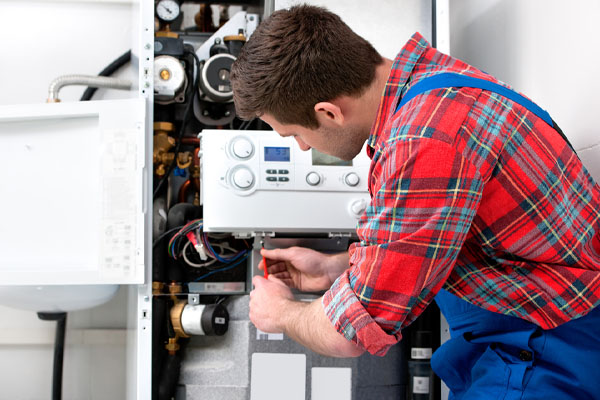
hvac tchnician servicing heating oil boiler

Lastly, you also need to consider the condition of your oil furnace or boiler. Generally, the more efficient your heating system is, the less oil it will consume.

You need to make sure to keep your oil heater clean and well-maintained for it to function efficiently. Have it serviced at least once a year, especially before the fall, to ensure that it’s working well for the winter season.

Learn More About Our Heating Oil Delivery Services Call Today To Schedule An Oil Delivery

Heating Oil Consumption Based On Temperature

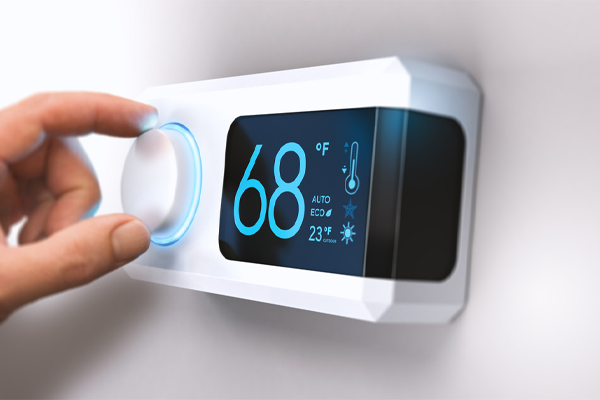
image of a programmable thermostat

Now let’s talk about the heating oil consumption based on the temperature.

A standard oil tank has an average capacity of 275 gallons, and if the local temperature is at 50 °F, your home will use around 2 gallons of oil in just a day. With these numbers, it’s estimated that a full tank can last for about 137.5 days or four and a half months.

In other words, at a local temperature of 50 °F, one full tank is probably all that you’ll need until the winter months are over.

However, we all know that winter temperatures will always fluctuate, which means that you can’t just depend on one full tank. If the temperature drops even further, you might need to use more heating oil.

Let’s say, one day, the temperature drops to 40 °F. For this typical day, you would need around 3.7 gallons of heating oil. If it stays at that consistently, your one full tank can last for 74 days or two and a half months.

If the temperature drops further at 20 °F, you will have to use around 7 gallons of heating oil in a day. With these numbers, your full tank will only last for 39 days or just over a month.

During the winter season, even with temperature fluctuations, you can expect the outdoor temperature to be at an average of 30 °F. Hence, on average, you might need to use around 5.3 gallons of heating fuel a day, which means your one full tank can last on an average of 52 days or one month and three weeks.

In other words, if you’re using a 275-gallon tank, that would likely be sufficient to support an average home. But if you’re using a smaller tank, you need to estimate your fuel consumption based on the numbers above to help you determine when you should get your next refill.

Call Now To Order Fuel: (732) 349-5059

Estimate Your Heating Oil Requirements Based On Historical Statistics

You can also estimate your heating oil requirements based on its historical statistics. How is this so?

If you’ve been living in your home for years already, you’ll be able to calculate your average fuel consumption by looking at your past heating bills. So, make sure to keep a record of your yearly fuel consumption, as you can use that information to determine your annual, monthly, and daily heating oil consumption.

However, if you’re new to the neighborhood, this may not be possible.

What you can do, though, is check if there are homes that are just about the same size as yours. Try to ask your neighbors about their heating oil usage to help determine how much heating oil you’ll need in a day.

At the same time, you can contact the nearest heating oil supply company, like Point Bay Fuel, to get an estimate.

Average Heating Oil Based On Square Footage

image of an oil tank gauge and alarm

The size of your home will always have the biggest impact on your average oil consumption. So, try to estimate your heating oil consumption based on your home’s square footage.

Homes in the U.S. are around 2,687 square feet on average. However, there’s a high chance that your home is smaller or larger than that.

To determine how much heating oil you’d need, below is the estimated gallons of oil you’d need depending on the temperature outside:

  • 10 degrees Fahrenheit: 3.27 gallons
  • 20 degrees Fahrenheit: 2.67 gallons
  • 30 degrees Fahrenheit: 2.07 gallons
  • 40 degrees Fahrenheit: 1.47 gallons
  • 50 degrees Fahrenheit: 0.87 gallons

The numbers above are calculated based on 1,000 square feet of space. So, if you have a 3,500 square feet home, you’ll need to multiply the numbers above to 3.5.

For example, if the ambient temperature is at 40 °F and your home is at 3,500 square feet, you would need around 5.15 gallons of heating oil.

Learn More About Our Fuel Oil Delivery Services Call Point Bay Fuel To Schedule An Oil Delivery

Heating Oil For Water Heaters

image of a boiler with expansion tank

If you’re also using heating oil to heat your water supply, you would also need to adjust your calculation.

On average, water heaters would require around 0.5 to 1.0 gallons per day, depending on your home’s size, how much warm water you use, and how many people use the shower daily. So, you’d have to add that to the amount of heating oil you use for your home heating.


Final Word

To determine how much heating oil you’ll use in a day, you can always look at the following factors:

  • Temperature
  • Size of your home
  • Historical Statistics

However, if you’re new in the neighborhood, you would have to call a local heating oil provider to get an educated estimate as to how much heating fuel you’d need.

Call Point Bay Fuel For Superior Home Comfort Solutions

Point-Bay-Fuel-Logo

Point Bay Fuel offers superior heating oil deliveries and HVAC services in Ocean and Monmouth Counties, New Jersey. Our heating oil deliveries are fast, reliable, and affordable, and we always keep your safety in mind. We offer various heating oil delivery plans and financing options. This way, you can customize your fule deliveries to meet your needs. Likewise, we hire the best-certified HVAC technicians who can provide you with excellent HVAC tune-ups, repairs, installations, and replacements. Each of our techs has the knowledge and experience to service your HVAC system correctly.

Point Bay Fuel guarantees the most competitive home comfort service costs in the area. Our maintenance services can improve your comfort and energy efficiency while reducing your home HVAC costs. If you are interested in improving your indoor air quality, then look no further. Our experts know the most advanced solutions to achieve all of your home comfort needs. All of our services are backed with a guarantee to ensure your satisfaction. To schedule an appointment, give Point Bay Fuel a call today. We offer free, in-home estimates.

Call Today: (732) 349-5059

Contact us now by calling (732) 349-5059 to speak to one of our home comfort specialists!


The post How Much Heating Oil Will I Use A Day? appeared first on Point Bay Fuel.
Major Consequences Of Not Changing Your Air Filter

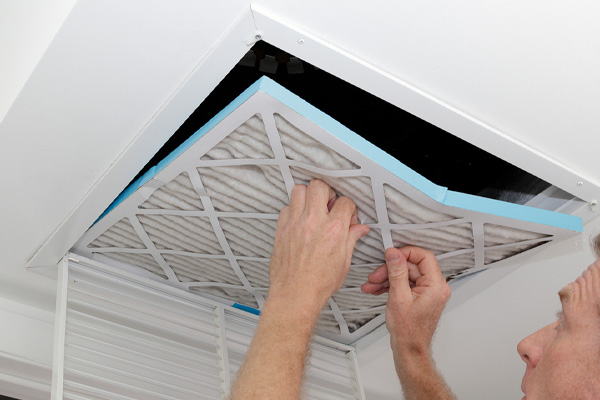
hvac air filter replacement

HVAC systems provide your home its cooling and heating needs, therefore making you and your family more comfortable. However, to ensure that it stays that way, you also need to take good care of it. The best thing about HVAC system maintenance is that it doesn’t cost you a lot of time and money. All you need is to follow the manufacturer’s recommendations, and you’d enjoy your unit’s service for a decade. One of those recommendations is to stay on top of your home air filter replacement.

Air filters block unwanted air particles or debris from entering your unit. Although they look small, they actually have a very significant effect on your HVAC system’s performance and lifespan.

How you frequently change your air filter can significantly affect your and your family’s health and comfort. So, always ensure to regularly replace the air filters to avoid the most common HVAC problems.

Explore Our HVAC Services Call To Schedule An Appointment

Major Consequences Of Neglecting Air Filter Replacements

In this article, we’ll emphasize the importance of changing your HVAC air filters. We’ll discuss how they work and the consequences that arise when you don’t change your air filter.

Let’s dive into it…

How HVAC Air Filters Work

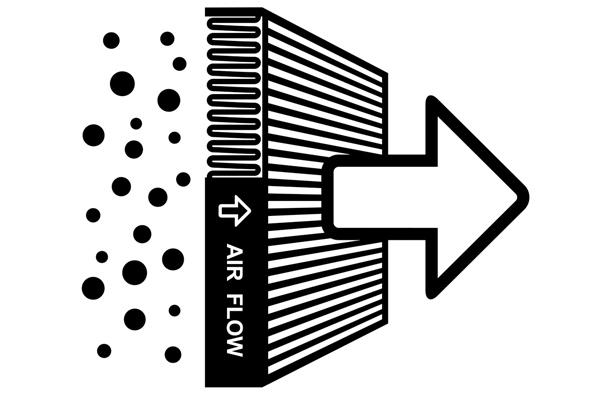
image of hvac air filter airflowFibrous materials like pleated paper, washable fabric, and spun fiberglass are the heart of air filters. Manufacturers then add a cardboard frame to add rigidity to the whole structure.

The main job of your filters is to catch large particles, such as pollen, animal fur, lint, mold spores, dust, and bacteria. While doing so, filters should ensure that a good amount of air can still pass through, leaving you with good quality air while minimizing the presence of harmful substances.

While this is effective, there are limits. Once the bacteria or dirt build-up is too much, the airflow is affected. This is the reason why air filter replacements are necessary.

But how often should you replace your air filter?

Well, this depends on many factors, which we’ll discuss below. The important thing, however, is that you check your air filters monthly to see if they need to be replaced.

Call Today: (732) 349-5059

The Circumstances That Affect How Often To Change An Air Filter

image of cat and dog depicting dander and indoor air pollutants

Factors that may affect the replacement rate of your air filters are:

  • Filter type
  • Environmental condition
  • Occupant sensitivity
  • Pet presence
  • Frequency of use

Most manufacturers would recommend getting a new air filter every 30-60 days, and it’s safe to follow this.

A 30-60 day recommendation is ideal for a family home with a pet. Families with multiple pets, on the other hand, might have to replace their air filters within 20 days. However, if you don’t have one, then it’s possible that your air filter would just need to be replaced every three months.

For homes that are seldom used or if you’re alone at home with no pets, then your unit’s air filter can last for 6-12 months before you’d even need to replace them.

But how do you know if you need to change them after 30 days or not? Well, just simply check the air filter monthly to check if it’s already dirty. Eventually, you’ll easily figure out how long you’d have to wait before you get it replaced.

Explore Our Heating & Cooling Services Call To Make An Appointment

The Consequences Of Not Changing Out The Filter

When it comes to air filter replacement, you need to be consistent.

Remember, contaminant build-up will eventually block good airflow. This can cause the system to be under a lot of stress, triggering multiple issues. This is why you need to be consistent with replacing your air filter as necessary.

If you neglect this important task, you’ll experience major consequences, which we’ll detail below:

1. High Energy Bills

high home heating costs

HVAC systems undeniably consume a lot of energy which can still be tolerable for most. However, if you have clogged air filters, your system will have to work harder to compensate for the lack of airflow. Naturally, this will cause your energy bills to soar even higher.

You might think that air filters are a waste of money. However, it’s actually still relatively cheaper than the cost of having high energy bills every month.

So, always stick to your scheduled air filter replacement, which should be consistent if there are no changes in your household conditions. It will also help you control your expenses better.

Explore Our AC Repair Services Call To Schedule An In-Home Estimate

2. Poor Temperature Regulation

When the airflow is restricted, conditioned air won’t go to where you need it to go. This results in uneven heating or cooling throughout your home. There will be rooms that will feel colder or warmer than the others, making other occupants feel uncomfortable and unhappy.

Imagine being able to sleep soundly at night while your baby in the other room can’t get to sleep, right? It sounds bad for everyone involved.

The worst part here is that some family members would be forced to move to rooms where conditions are more favorable, making the room crowded and still uncomfortable.

So, save yourself the hassle of having to deal with all these by simply replacing your air filter on a timely basis.

3. Poor Indoor Air Quality

allergies due to poor indoor air quality

A clogged filter, as obvious as it looks, wouldn’t have the same filtering ability to trap particles as a newly installed one does. This means that unwanted particles can still enter your home where you and your family can breathe them in.

People who have allergies or who are asthmatic would definitely feel the difference in air quality as they are more sensitive. At the same time, even those who have no allergies would react to this by sneezing a lot, feeling dizzy, having difficulty breathing, etc.

It’ll definitely affect your daily lives, and constant exposure can lead to serious diseases like respiratory problems or chronic ailments.

In other words, your and your family’s health can be compromised. And that’s all because the air filter wasn’t replaced.

Call To Make An Appointment: (732) 349-5059

4. Early HVAC System Failure

Changing air filters is part of your HVAC unit’s maintenance, and failure to do so can lead to early HVAC system failure.

In general, HVAC systems can last for over a decade. But if you don’t replace your air filter, you make your unit work harder than it should, leading to an early burnout. Basically, the unit will break due prematurely due to excessive wear and tear of the components.

If you’re afraid to spend a few bucks for a new air filter, you should think about the thousands of dollars you’d have to spend if your HVAC system breaks down and needs to be replaced.

5. Frozen Air Conditioner Coils

frozen evaporator coil of heat pump

Your air conditioner’s evaporator coils act as a heat absorber to cool down your home. They are naturally cool and will freeze when there’s improper airflow. This issue usually happens when the air filters are clogged.

If you have frozen evaporator coils, your system won’t run properly, resulting in erratic behavior. Eventually, you would need to get this problem fixed, and it definitely won’t be cheaper than just replacing your air filter in the first place.


Conclusion

Now that you’re aware of the major consequences of not changing your unit’s air filter, we want you to think about the last time you replaced them.

Do you think you’re following the recommended schedule? Or are your filters long overdue for a change?

Whatever your answer is, make sure that you act now. Check your HVAC air filter and evaluate if it’s time for a replacement. If it is, do what’s necessary.

We also recommend that you ask an HVAC contractor, like Point Bay Fuel, to come over to your home and give your system a thorough inspection. Be sure to schedule an annual maintenance visit in the spring for your air conditioner and in the fall for your heating system. This inexpensive service helps prevent system failures and protects your wallet from paying for unexpected and expensive HVAC repairs.

Call Point Bay Fuel For All Of Your HVAC Requirements

Point-Bay-Fuel-Logo

Point Bay Fuel offers superior heating and cooling services in Ocean and Monmouth County, New Jersey.

Our certified technicians can provide you with excellent HVAC services, including heating and cooling tune-ups, repairs, installations, and replacements. Each technician has outstanding knowledge and experience to serve your HVAC system needs correctly, the first time around.

Point Bay Fuel guarantees to provide the most competitive heating and cooling service costs in the area. Our maintenance services ensure to improve your comfort, increase your system’s energy efficiency, and reduce your home’s heating and cooling costs.

Need your system repaired or replaced? We’ll recommend the best solution that works well within your budget. The best part is, all our work is backed with a guarantee to ensure your satisfaction.

If you wish to schedule a service appointment, give us a call today!

Call Now: (732) 349-5059 Read Our Testimonials

Contact us now by calling (732) 349-5059 to speak to one of our home comfort specialists!

The post Major Consequences Of Not Changing Your Air Filter appeared first on Point Bay Fuel.

Monday, August 30, 2021

Top HVAC Installation Mistakes to Avoid

image of an hvac contractor performing air conditioner installation

There’s probably nothing better than the experience a new HVAC system can give. It increases comfort, reduces energy costs (compared to an older system), maintains healthy indoor air quality, and boosts productivity.

However, as much as a newly installed HVAC unit can improve your life, it can also become a nightmare when dealing with an improper HVAC installation. You’ll experience poor indoor air quality, frequent HVAC repairs, premature replacement, higher energy costs, and discomfort.

When it comes to proper HVAC installation, it’s always best to choose an experienced and certified HVAC contractor to ensure a good outcome. Also, you can do your part by learning more about the most common HVAC installation mistakes so you can avoid them.

In this article, we’re going to talk about the seven top HVAC installation mistakes and the reason why you should avoid them. Let’s dive in…

Explore Our HVAC Installation Services Call To Schedule An In-Home Estimate

Top HVAC Installation Mistakes To Avoid

1. Selecting The Wrong Heating And Cooling System Size

Most people think that larger HVAC systems will offer better performance. They even believe that buying the largest HVAC unit they can afford is a really good investment, assuming it can cool or heat their home faster.

But, contrary to this belief, this is not true.

The best HVAC system doesn’t have to be large. In fact, the right size to meet your heating or cooling needs always depends on the projected load. The best contractors perform complex calculations that factor in the following:

  • Regional temperatures
  • Shade provided by nearby structures
  • Orientation of your home
  • Total interior floor area
  • Height of the ceiling
  • And a lot more!

With the calculations a professional contractor performs, you’ll know exactly how much power your system needs to properly heat or cool your home. But if you get an inexperienced HVAC contractor, you might also get faulty recommendations based on inaccurate rules of thumb.

Call Today: (732) 349-5059

2. Keeping The Old HVAC Ductwork

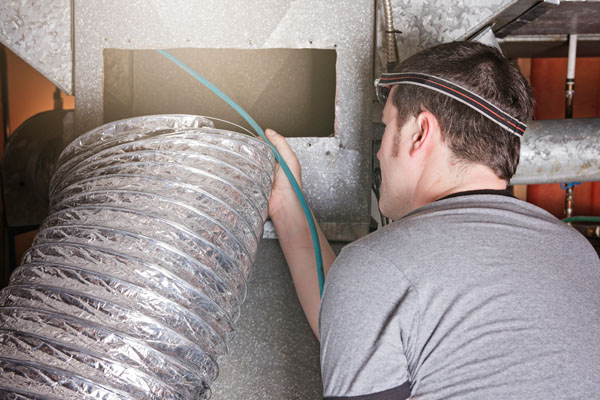
image of technician inspecting hvac ductwork

Most people think that they can save money by keeping the old HVAC ducts after installing a new HVAC system. However, as much as this is true, it’s not always ideal because they might be incompatible, especially if you need to change your furnace or air conditioner’s size.

Here are some situations that prove that your old ducts may not always work with your new unit:

  • The old ducts may be too small and cause airflow to be inefficient.
  • If the old ducts were installed decades ago, there might already be leaks, dirt, mold, and other issues you might experience.
  • The original design may not already provide optimal distribution of conditioned air around your home.

If you have a trusted HVAC contractor, always consider having new ducts designed and installed along with your new HVAC unit.

Learn More About Our Heating & Cooling System Replacements Call To Schedule An In-Home Estimate

3. Bad HVAC Duct Installation Techniques

Design is just one thing; execution is another.

Some HVAC contractors can come up with logical and economical designs that will work in theory. However, even if their plans are good, their technicians may use bad installation techniques due to their inexperience or desire to finish a job quickly.

For example, they might use tape to seal gaps, even if this only provides a temporary solution. And soon, leaks may cause the system’s efficiency to plummet after a while, and you’ll end up paying more on your monthly bills.

So, make sure that you hire a reputable HVAC company like Point Bay Fuel that uses high-quality materials and sealants.

4. Poorly Designed HVAC Drainage System

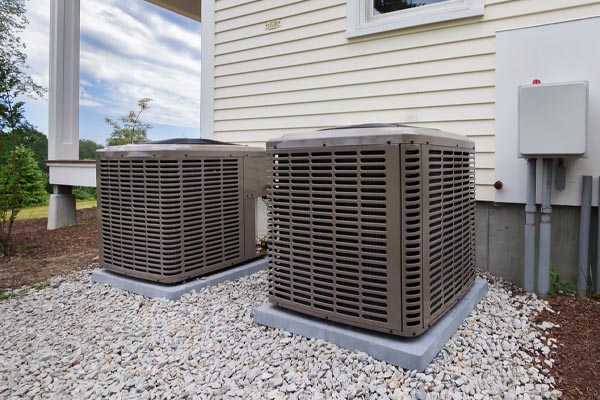
image of air conditioner compressor

Air conditioners produce moisture around the coils because of condensation.

The installer must ensure that all the water is collected and filtered away from the system. Otherwise, the moisture can spill over to the other parts of the house, leading to mold and mildew growth.

Over time, your drywall and flooring could also be damaged. On top of this, bacteria will thrive and make the air conditioner smell so bad that it will be difficult to ignore it.

To prevent any of these headaches, make sure to do it right the first time. Hire experienced HVAC professionals as they will know what to do.

Call To Schedule A Consultation: (732) 349-5059

5. Incorrect Venting Of Toxic Gases

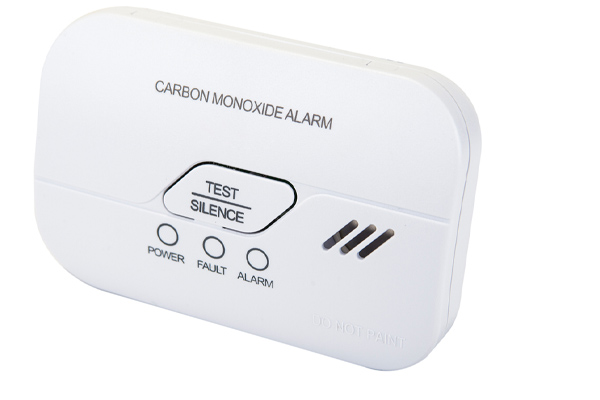
image of a carbon monoxide detectorYour furnace can produce carbon monoxide and other hazardous gases while burning fuel. And though this may sound scary, this really won’t be a problem as long as your exhaust system is pushing these gases out of the house immediately.

Because of this, the installation of your HVAC system should always include proper venting for the toxic gases that your system generates during combustion.

Faulty HVAC installation can lead to the release of these harmful gases inside your house. So, aside from proper installation, you should also ensure that you have carbon monoxide detectors that can warn you in case of CO leaks.

Carbon monoxide gases are odorless and colorless, so without carbon monoxide detectors, leaks can go undetected.

When you’re looking for a contractor, make sure that you ask them about combustion safety to see if they know how to implement this properly.

Learn More About Our Heating & Air Conditioner Installation Services Call To Schedule A Consultation

6. Improper Heating & Cooling System Placement

As long as your contractor is paying attention, some mistakes are easy to avoid. Here are some of them:

  • Putting different units where the old HVAC equipment is without properly verifying the HVAC location first. This will just be repeating the error instead of correcting it.
  • You will want to shield the AC condenser from the sun as much as possible because direct sunshine means more work for the system.
  • The thermostat should also be shielded. If it’s located near the windows, doors, or other heat sources it will heat up more than the rest of the house and suffer from faulty sensor readings.

Always hire an experienced HVAC technician as they will know the best location for your HVAC unit and its components.

Call To Make An Appointment: (732) 349-5059


7. Neglecting Clearance Around The Condenser

If there’s one thing you should know, it’s that your unit’s condenser needs space to breathe for it to work at its best. Unfortunately, with rush installations, this is not always met, and contractors would usually just give it a few inches clearance on all sides.

Experts would recommend providing a minimum of 2 feet around the perimeter. This is necessary for good air intake and optimal efficiency. In other words, it ensures that the system will not consume more energy than it really needs or suffer from premature wear and tear.

After the installation, you as a homeowner should also make sure to maintain this clearance by keeping objects away and trimming any nearby plants.

Click Here To Call & Schedule A Consultation

Conclusion

HVAC installation mistakes are more common than you might realize. And often, experienced contractors are called in to correct the errors amateur contractors did while installing the system.

Avoid this by making the right decisions from the start. And now that you already know what to watch out for, find a certified contractor who has an excellent reputation in your area to do your HVAC system installation correctly, the first time around.

Call Point Bay Fuel For All Of Your HVAC Requirements

Point-Bay-Fuel-Logo

Point Bay Fuel offers superior heating and cooling services in Ocean and Monmouth County, New Jersey.

We make sure to hire certified technicians who can provide you with excellent services, including HVAC tune-ups, repairs, installations, and replacements. Each technician has outstanding knowledge and experience to serve your HVAC system needs correctly.

Point Bay Fuel guarantees to provide the most competitive heating and cooling service costs in the area. Our maintenance services ensure to improve your comfort, increase your system’s energy efficiency, and reduce your home’s heating and cooling costs.

Need your system repaired or replaced? We’ll recommend the best one for your home and is within your budget. The best part is, all our work is backed with a guarantee to ensure your satisfaction.

If you wish to schedule a service appointment, give us a call today! We also offer in-home estimates at no cost at all.

Call Now: (732) 349-5059 Read Our Testimonials

Contact us now by calling (732) 349-5059 to speak to one of our home comfort specialists!

The post Top HVAC Installation Mistakes to Avoid appeared first on Point Bay Fuel.

Monday, August 23, 2021

Where Are Those Air Conditioner Smells Coming From?

woman plugging nose due to smelly air conditioner

The ideal smell that an air-conditioned room should have is normal. That is, there shouldn’t be any distinct smell coming from your cooling unit at all. However, in some cases, your air conditioner may emit an odd, unpleasant, or offensive smell that accompanies the cool air. If this is the case, then it is a clear indicator that something is wrong with your air conditioner, and it should be checked by a professional right away. This article includes several air conditioner smells, the causes behind them, and what can be done about this problem.

Explore Our Air Conditioning Services Call To Schedule A Consultation

What Is Causing That Air Conditioner Smell?

Read on to find a few of the common odors your air conditioner is likely to produce.

Air Conditioning Unit Smells Like Mold

image of mold that was on air conditioner

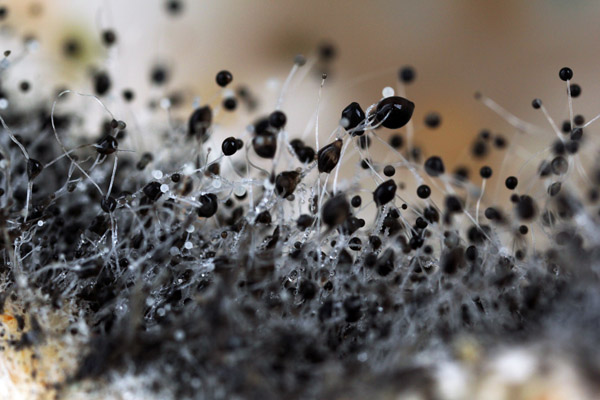
One of the most commonly reported smells that homeowners experience is a musty odor, reminiscent of mold. This can be typically traced to the accumulated water in the ducts, drain pan, or drip lines. The water and the indoor temperature create an environment where mold, mildew, or fungus grow and thrive. As a result, a dingy smell permeates your home.

The stale air in your home can also be an indicator that you have dirty HVAC air filters. If the area you live in is hot and humid, moisture can develop and build up in your air conditioner’s air filters. This usually happens when you haven’t turned on your system for some time. Therefore, the stale air is distributed throughout your home when you switch it on again.

Solution: Empty the drain pan at regular intervals. If the smell doesn’t go away even after doing this, call an HVAC expert to inspect your central air conditioner, the ductwork, and the lines. Water accumulation in your system could also mean there is a leak. Therefore, it is beneficial to have your system checked to determine why water isn’t draining properly. Bear in mind that yearly air conditioner maintenance is important to ensure these problems do not happen to your air conditioner in the first place.

Call Today: (732) 349-5059

Air Conditioner Produces A Cigarette Smoke Odor

If someone smokes tobacco in your home, the air conditioner will pull in the smoke particles, and they will get trapped in the air filter. This will happen every time someone smokes in your home. However, turning on your system can cause these particles to loosen, and they’ll end up mixing with the conditioned air. They will be released via the vents, and you’ll smell cigarette smoke even when no one is smoking.

Solution: Open a window the next time you’re going to smoke inside your house to minimize the cigarette smell. Consider stepping out of your house to smoke as well. Remember to clean your air conditioner every 7 to 14 days. Do this by wiping off any dirt and particles present on its surface. Make sure to schedule yearly air conditioner maintenance as well. It is recommended that you do this every spring.

Air Conditioner Emits A Burning Smell

image of air conditioner electrical wires

A burning smell around your house could be because an air conditioner component is actually burning. A damaged cable, wire, or motor could be the cause. Other times, it could be because you haven’t turned on your air conditioner for a long time, and doing so exposed the dust buildup inside it to high temperatures, causing the burning smell. Do not fret, as this smell should disappear soon. If it doesn’t, switch off the system right away and call a professional HVAC technician immediately.

Solution: Never conduct a DIY repair on your air conditioner that’s emitting a burning smell. Instead, hire a professional HVAC technician to assist you.

Explore Our AC Repair Services Call To Schedule An In-Home Estimate

Rotten Egg Smell Coming From Air Conditioner

A dead animal in your air conditioning system could cause a rotten egg smell to circulate throughout your home. A body’s decomposition results in the release of gases that have a foul, rotten stench. Small animals like birds and rodents could have gotten inside your air conditioning unit and died there. If so, a rotten egg smell will circulate throughout your home.

Solution: Look for the dead animal in your system and ducts. The dead animal needs to be carefully removed and your system sanitized to ensure that all traces are eliminated. If the area is hard to reach, contact a reliable HVAC tech to help you. They have the right tools and experience to check, clean, and sanitize your system. They will also ensure that it is pest-proof, so it does not happen again.

Air Conditioner Smells Like Gas

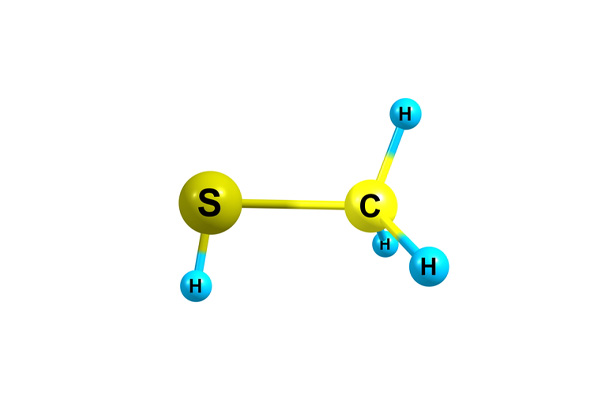
Methyl mercaptan depicting natural gas leakA gas smell should never be ignored, as the smell might be caused by an actual gas leak. The gas itself doesn’t have any scent, so gas manufacturers add methyl mercaptan to it. This chemical produces a rotten cabbage smell that acts as a warning sign that a gas leak is occurring. Keep in mind that methyl mercaptan is an irritant. Exposure can cause skin and eye irritations, dizziness, nausea, headaches, and respiratory problems. Prolonged exposure can also be fatal.

Solution: Turn off the gas supply the moment you suspect that gas is leaking. Open the windows to ensure proper ventilation. After that, evacuate your home and contact a reliable HVAC contractor immediately. Remember that gas is easily ignited, so do not light up anything while the smell of gas still lingers.

Call To Make An Appointment: (732) 349-5059


Conclusion

An air conditioner experiencing problems could lead to it emitting various smells. Some of the odors are harmless, while others should never be neglected. They could point to some severe and potentially lethal problems. Some smells can be removed by cleaning and replacing the filter, whereas some need to be checked by a professional HVAC technician.

Do not neglect any odors your air conditioner produces. In most cases, having the issue resolved immediately will ensure that health problems are prevented. It will also help keep you from having to spend on expensive repairs or replacements in the future.

Call Point Bay Fuel For All Of Your HVAC Requirements

Point-Bay-Fuel-Logo

Point Bay Fuel offers high-quality HVAC services in Ocean and Monmouth County, New Jersey. We have professionally certified technicians for all your heating and cooling needs, including air conditioner tune-ups, furnace repairs, mini-split installations, and boiler replacements. Each of our friendly techs has extensive knowledge and years of experience to service any HVAC make and model safely, correctly, and promptly.

Point Bay Fuel guarantees one of the most affordable and competitive HVAC service rates in the area. We can help improve your indoor air quality, comfort, and energy efficiency with our maintenance services. Our techs can recommend the best and most budget-friendly solutions if you need an HVAC repair or replacement system. Your satisfaction is our priority, so all our services are guaranteed. To schedule a service appointment, give Point Bay Fuel a call today. We offer free, in-home estimates.

Call Now: (732) 349-5059 Read Our Testimonials

Contact us now by calling (732) 349-5059 to speak to one of our home comfort specialists!

The post Where Are Those Air Conditioner Smells Coming From? appeared first on Point Bay Fuel.
Monday, August 2, 2021

What To Check When Your Air Conditioner Won’t Turn On

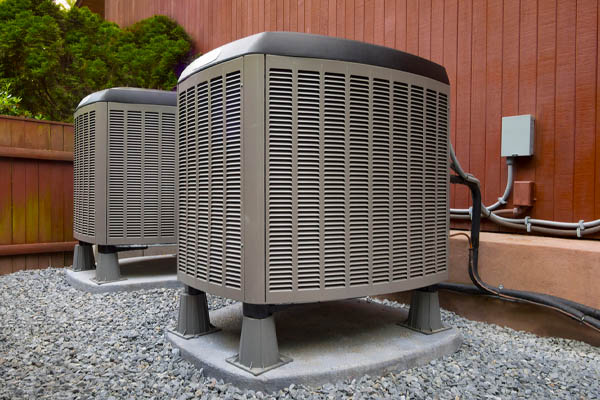
image of air conditioner compressor

An air conditioning system keeps your home cool and comfortable even when it is scorching hot outside. However, you might find that your air conditioner won’t turn on at some point in its lifespan. As a result, you have to deal with a hot and humid home while waiting for the HVAC technician to arrive.

In some instances, the reason an air conditioner won’t switch on might be simple that a homeowner can DIY. Check the list below, so you don’t have to endure an uncomfortable home during the hottest days of the year.

Explore Our Air Conditioning Services Call To Schedule A Consultation

What To Check When Your Air Conditioner Won’t Turn On

Read on to know some air conditioner troubleshooting tips that can help you when your air conditioner won’t turn on.

1. Air Conditioner Power Source

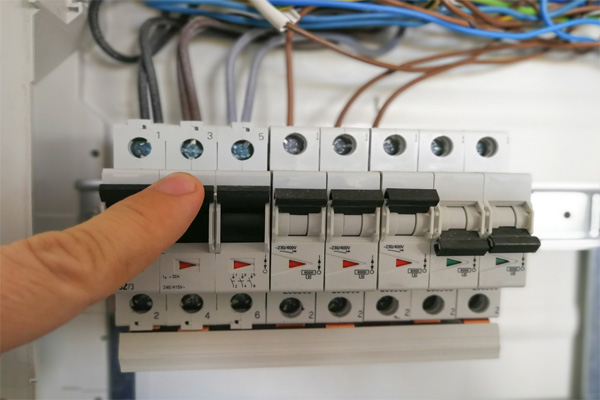
circuit breaker

An air conditioner that fails to turn on when you need it the most causes a stressful situation. Therefore, you might end up overlooking some key factors that could be the cause of the problem. For instance, the problem could be connected with electricity.

What you need to do first is check the circuit breaker. Find the main electrical panel in your house to see if a tripped circuit breaker caused the issue. Reset it if needed to determine if a problem with the electricity is the cause. Check if the plug is properly connected to an outlet as well. Someone might have unplugged it, or it could have gotten loose. This might sound like an obvious thing, but many homeowners tend to neglect this.

In some cases, the thermostat could be the issue. Inspect the thermostat and change the batteries with fresh ones or ensure it is properly connected to a power source. Make sure that the settings are correct as well.

Call Today: (732) 349-5059

2. Be Familiar with Your AC Unit & Its Switches

Troubleshooting common air conditioner issues is possible as long as you are familiar with your air conditioning system. After all, if you want your system to have an extended lifespan, practicing effective maintenance is a must. Know the basic components of your air conditioner as well. For instance, many homeowners aren’t familiar with the on and off switches. There are times when the indoor air handler’s power switch has been turned off. Simply switch it back on. The outside unit also has an emergency shut-off switch. Someone might have accidentally turned it off and forgot to switch it on again.

3. Check Your HVAC Air Filter

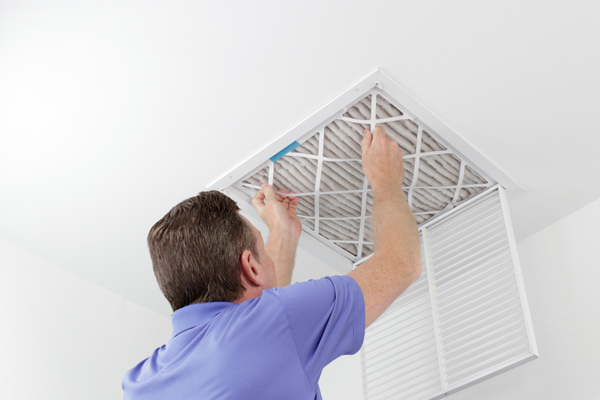
hvac air filter replacement

The HVAC air filter needs to be replaced regularly. This means replacement should be done every two to three months. Some homes might need a more frequent filter replacement schedule, depending on the home’s location and the number of pets, among others. Doing this will help ensure high system efficiency levels at all times.

Air filters help prevent dust, dirt, and other contaminants from getting into your air conditioner, where they can cause problems. Keep in mind that the filters get dirtier the more time passes. This can also lead to issues with your unit. For instance, the air conditioner will consume more energy to maintain the temperature in your home. This will cause a significant increase in your energy bills if it is not remedied immediately. Your air conditioning system could also stop working.

Keep track of when you replace your filters. You can try writing the date of replacement on the filter and setting a calendar reminder so that you can look into its condition at the start of every month. Replacing the filters before they become entirely clogged will help prolong your system’s lifespan. On the other hand, letting your air conditioner consume more power than needed will lead to permanent system failure. This is a costlier endeavor than replacing your HVAC filters, so do not neglect this task.

Explore Our AC Repair Services Call To Schedule An In-Home Estimate

4. Check The Drain Pan & Lines

A professional HVAC technician should also inspect the drain pan. If it is full, the float switch is triggered, stopping the system from turning on. Part of your air conditioner’s operation is removing the excess moisture in the air via condensation. This moisture is eliminated from your home via a drain line. This component can get clogged and cause the system to switch off. The drain pan should be emptied regularly and the drain line unclogged to resolve the problem. Consult an expert HVAC contractor to assist you with a blocked drain line.

5. Check Your Evaporator Coils

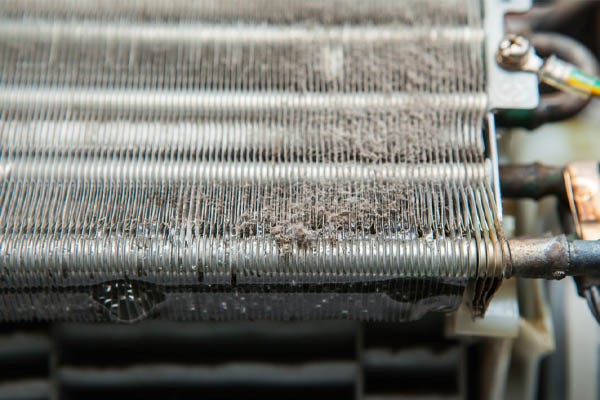
dirt on air conditioner coils

It is essential to keep the evaporator coils clean as it will help extend your system’s lifespan. Cleaning the evaporator coils decreases the chances of damage to your system. If your air conditioner doesn’t switch on, it could be because of dirty evaporator coils. Think about when you had them cleaned last. Cleaning the evaporator coils should be part of the system’s annual maintenance as well.

Consult an air conditioner repair company to know how to clean the coils correctly. Maintenance should also be scheduled annually if you don’t want to experience problems when you need cooling the most. Have your unit inspected, maintained, and cleaned by a licensed professional regularly.

Call To Make An Appointment: (732) 349-5059


Conclusion

A simple electrical problem could be the culprit behind an air conditioner that doesn’t turn on. The circuit breaker might have tripped, the system isn’t plugged into a power source, or the connection is loose. These can be fixed easily, like when the problem is caused by a clogged drain line or a full drain pan. Remember to call an expert HVAC technician if it is more than just a basic issue. Schedule yearly maintenance as well.

Call Point Bay Fuel For All Of Your HVAC Requirements

Point-Bay-Fuel-Logo

Point Bay Fuel provides excellent heating and cooling services in Ocean and Monmouth County, New Jersey. Our company has professionally certified technicians for all your HVAC service needs, such as repairs, maintenance, installations, and replacements. All our friendly techs have the skills, experience, and knowledge to ensure correct services on any HVAC make and model.

Rest assured, we have highly affordable and competitive heating and cooling rates. Our tune-up services can help improve energy efficiency, comfort, indoor air quality, and cost-effectiveness. When you need an HVAC repair or replacement system, we can recommend the most suitable and budget-friendly solution for your home. Your satisfaction is essential to us, so all our services are backed with a guarantee. Call Point Bay Fuel and book a service appointment today for a free, in-home estimate.

Call Now: (732) 349-5059 Read Our Testimonials

Contact us now by calling (732) 349-5059 to speak to one of our home comfort specialists!

The post What To Check When Your Air Conditioner Won’t Turn On appeared first on Point Bay Fuel.