Monday, January 23, 2023

Furnace Will Not Turn On With Thermostat

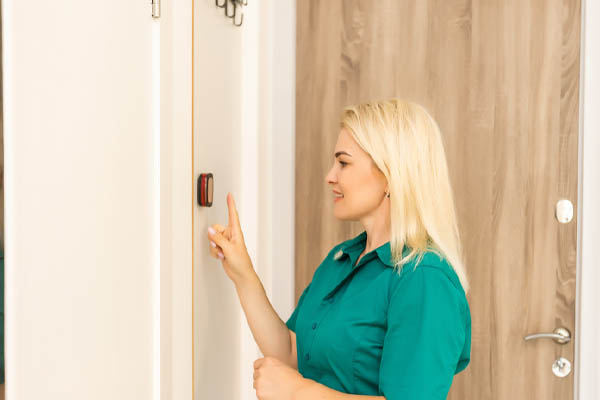
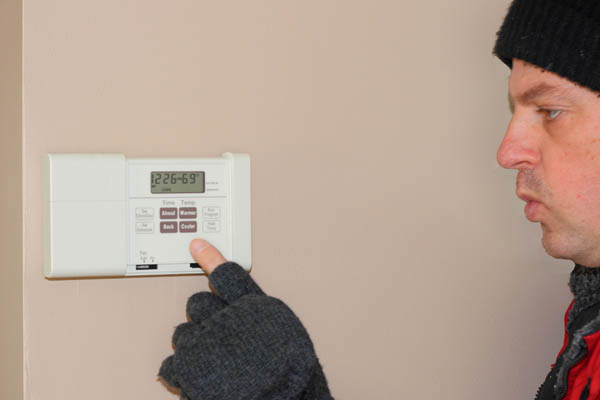
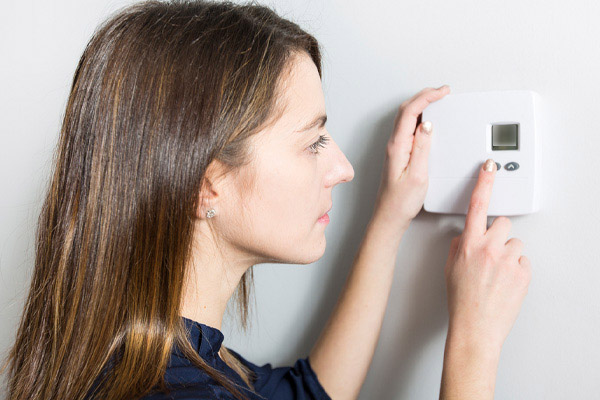
image of homeowner adjusting programmable thermostat and furnace settings

Once it is cold, most people automatically go to the thermostat to enjoy home heating. All you need to do is press a couple of buttons in order to switch the furnace on so that heat can start being generated. Within a couple of minutes, you will enjoy the warm air in your home and get relief from the biting cold. This is a highly reliable system that households use and can depend on. With that said, it is not free from problems. Like many homeowners, eventually, you may have to deal with a furnace will not turn on with thermostat. If you have this problem during the winter, it can cause a great deal of stress and anxiety. So, be sure to continue reading so you can learn how to handle this problem.

Explore Our Heating System Services Call To Schedule An Appointment

Furnace Refuses To Switch On Using The Thermostat

This can be easily prevented from happening in the first place through scheduled furnace tune-ups. Yearly furnace maintenance checks by an HVAC technician are sufficient. In most cases, it is best to schedule these types of visits during the fall months so that it should work perfectly in the winter. The HVAC technician will thoroughly check your system and look for any possible issues, worn-out parts, safety issues, etc. They will also identify if there is too much dirt or dust in your system so that they can thoroughly clean it. Once all issues are identified and rectified, your furnace should work perfectly. In the event that you didn’t get your furnace maintained and your heating doesn’t power on, then it may be because of the following issues:

Call Today: (732) 349-5059

Problematic Thermostat

Your thermostat is basically the brain of your system. So, when there are issues, you should begin by troubleshooting it. Once you input certain commands into your thermostat and they aren’t being followed, then this signifies that your thermostat may be failing. There are numerous ways in which this could happen.

Related Article: The Difference Between An Air Handler Vs. A Furnace

Thermostat Settings

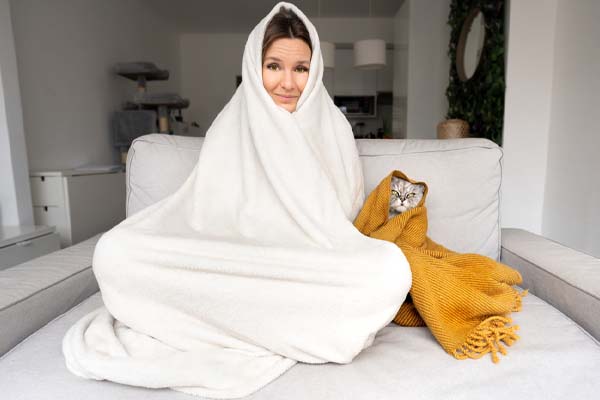
image of a girl feeling chilly due to furnace not turning on with thermostat

Machines are built to carry out the functions that are input into them. So, if they are not doing this, then you will need to look at the settings. This may, in fact, be the issue. One example of this is if you have your settings on OFF or COOL. So, if these settings are in place, then your thermostat won’t produce warm air. You will have to adjust your settings to HEAT. You will also need to have a look at your temperature settings. If your temperature is set too low, then it won’t provide the level of heating that you require. So, experiment with the temperature settings until you find a comfortable temperature.

Related Article: Do Leaky Windows Affect How My Home Is Heated?

Not Getting Power

Once you have looked at your thermostat’s settings and that isn’t the issue, you need to keep troubleshooting. There is a chance that the problem may be due to power. For example, if your thermostat has a dead battery, then it won’t work. So, put in new batteries and see if this helps. In many cases, your furnace will fire up once you replace the batteries. However, if it is still not working, then you may potentially have a faulty power circuit. In this case, you will need the help of professionals.

Learn More About Our Home Heating Services Call To Make An Appointment

Incorrect Thermostat

There are many different types of thermostats. Also, different thermostats are only functional with other compatible systems. This means that if your thermostat is not compatible with your current heating system, then you will have issues. It may not work, or you may experience poor performance. In many cases, the communication between your furnace and thermostat may not be effective and cause failure. So, before you purchase any thermostat, make sure that you speak to an experienced HVAC professional first.

Poor Furnace Wiring
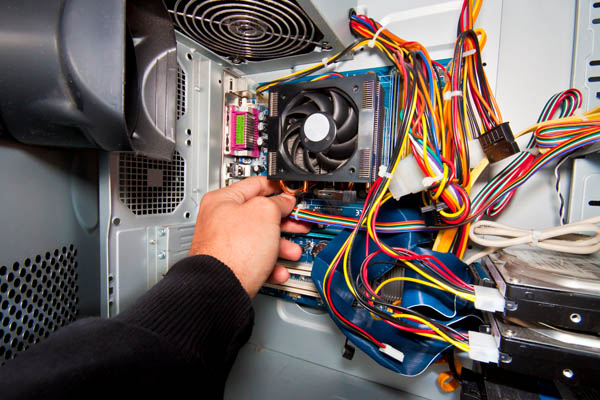
furnace wires

Any commands that are sent are transported through multiple wires. This is also true for power. However, if the wires become loose or damaged in any way, this would interrupt the connection between your furnace and thermostat. This is a very popular issue that has to be addressed. If you have knowledge of wiring, then be sure to look at your wiring on a yearly basis. You should also hire technicians to look at your wiring.

Clogged Air Filter
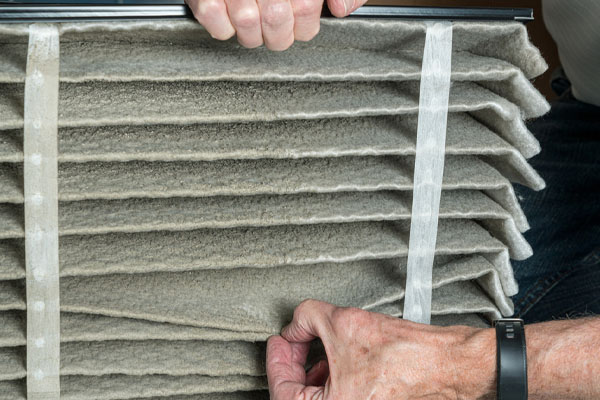
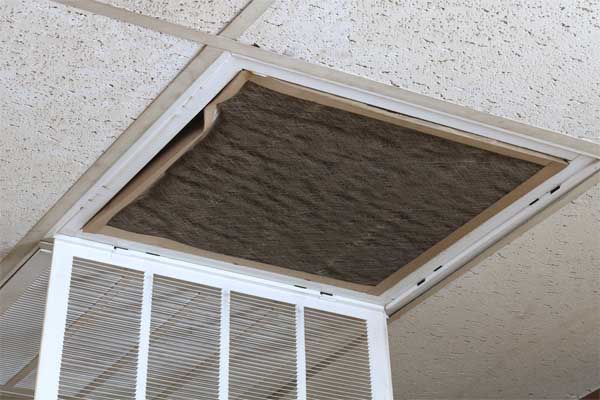
image of a dirty furnace filter and hvac air filter replacement

Air filters are created to trap dirt so that you can enjoy improved air quality in your home and increase how long your system lasts. With that said, there are limits on the volume of dirt that they can hold. So, if you notice the quality of your air has decreased, then you should replace the air filter. If you don’t, this will cause your system’s performance to continue decreasing. This can cause a great deal of strain on your furnace, which may cause it to shut off. Be sure to check your air filters on a monthly basis so that you can change them when necessary. It may be a good idea to purchase HVAC air filters in bulk.

Tripped Circuit Breaker

There are many parts of your furnace system that require electricity, even if it may run on propane, gas, etc. So this means that it has a circuit breaker which is necessary to protect it from surges in electricity and other issues. In the event that your heater stops working, this may be the problem. Be sure to check all of your system’s breakers to ensure they are in order. Ensure that your furnace’s switch is also correctly positioned. It is very easy for this to get accidentally turned off. So, if this is the problem, simply correct it.

Call Point Bay Fuel To Schedule HVAC Service

Blower Issues Or Furnace Belt Issues

It is possible that your furnace may be fully functional, but there are other problems that make it appear as though there is a huge issue. A good example of this is if your blower is making a lot of noise. In many cases, all it may need is some lubricant or the belt may need to be replaced. In some cases, you may need to replace the entire blower. Whatever the case may be, allow the professionals to deal with it.

Related Article: My Furnace Turns On But No Heat – Why?

Look At Your Furnace’s Drain Pan

Indoor humidity is reduced via HVAC systems since they take out moisture from the air. This moisture is collected in the drain pan, which empties on its own. Unfortunately, clogs can happen, which hamper good flow. Additionally, there may be failures with the water pump, so this means it wouldn’t be able to move the collected water out of the drain pan. This can lead to water building up in the pan, which triggers the float switch. This would then prevent your furnace from coming on. So, you should take steps to prevent this by ensuring your pump is working and that your drain pan empties.


Pilot Light On The Furnace

There are lots of heating systems that will refuse to turn on once the pilot light is off. There are many reasons why this can happen, such as problems with the system, drafts, etc. Once there is no pilot light, then it would not be possible to ignite the furnace. Be sure to check how to turn it back on using your furnace’s manual. In most cases, it is easy to relight. You will likely need to take off the access panel and identify the pilot light assembly. Then, you will need to take off the reset switch and allow ten minutes to pass. Once this time has elapsed, turn the switch so that it is on PILOT and relight using a match.

Call To Schedule An Appointment

Furnace Fuel

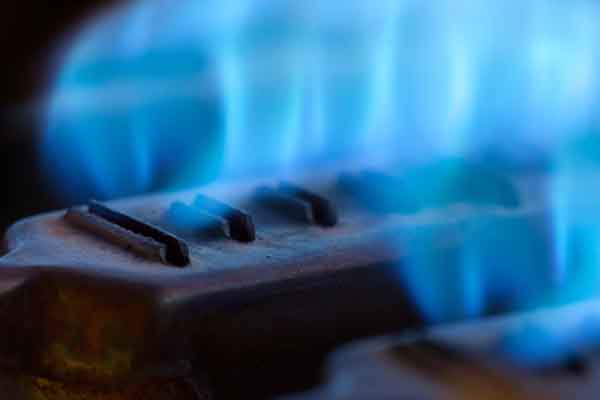
image of a gas furnace and flame

If your furnace isn’t getting enough fuel, it won’t be able to turn on, even if the other parts are working properly. So, you will need to look at your fuel supply.

  • Insufficient Fuel: If you’re out of fuel, you will need to get a refill from the appropriate company.
  • Natural Gas Supply Problems: In order to determine if there is a problem with your fuel supply, check the supply using another appliance in your home that uses that type of fuel. For example, you can check it using a water heater or even your stove. If there are supply issues, you should call your local fuel company.
Learn More About Our Home Heating Services Call To Make An Appointment

Summary

When it comes to heating system issues, it is best to call a professional HVAC company since they have the experience and expertise to handle any problem you may have. This is undoubtedly the most efficient way to get your system back up and running in no time.

Contact Point Bay Fuel For All Your HVAC Needs
Point-Bay-Fuel-Logo

Point Bay Fuel delivers exceptional cooling and heating services in Ocean and Monmouth County, New Jersey. We employ experienced and qualified technicians who can assist you with HVAC replacements, installations, tune-ups, and repairs. Every technician has the experience and expertise to maintain your HVAC unit efficiently.

Point Bay Fuel assures competitive cooling and heating fees in this area. Using our maintenance services guarantees your family’s comfort, improved energy efficiency, and a noticeable reduction in your home cooling and heating expenses. We review your budget and recommend ideal suggestions for repair or replacement while keeping you within your spending plan. We are confident in our work and guarantee our work will improve your home’s enjoyment while ensuring you are satisfied. Arrange a service appointment by calling Point Bay Fuel today. We provide in-home estimates.

Call Now: (732) 349-5059 Read Our Testimonials

Contact us now by calling (732) 349-5059 to speak to one of our home comfort specialists! Click the link to view our service area.

The post Furnace Will Not Turn On With Thermostat appeared first on Point Bay Fuel.

Wednesday, January 18, 2023

How Does An Oil Heating System Work?

image of a person holding up a sign how does it work depicting how does a heating oil system work

Systems that use heating oil are smart acquisitions for homeowners. They are cleaner, safer, and tougher compared to other fuel-powered heaters. With oil heating systems, you can get more bang for your buck. Their high energy efficiency makes them cost-effective to operate. New models are particularly impressive with their record-breaking AFUE ratings. In this article, we answer the question, “How does an oil heating system work?”.

We will start the discussion by uncovering the truth behind persistent myths.

Explore Our Heating Oil Delivery Services Call Today To Order Fuel

Common Myths About Oil Heating Systems

Keep reading to explore some common myths that surround home heating oil.

  • Environment: Many people believe that heating oil is detrimental to the environment. They think that it performs poorly compared to other fuel types, but that is a false assumption. Data suggests that fuel oil delivers a clean burn. Emissions and other byproducts fall within the EPA air pollution standards, all thanks to technological advancements in equipment design. If you want a green heating system, this is a viable option for your household.
  • Price: Are you worried about the price? Some say that heating oil systems are expensive, but that is a myth when you study the numbers. These are cheaper in comparison with other systems. They even have double the lifespan of their rivals, thus stretching your dollars. Operation is also cheap, with fuel costs roughly 5% lower than other energy sources.
  • Lifetime: Propane and natural gas are the other popular fuels used in heating systems. You can expect these heating units to last for around 11 to 14 years on average. On the other hand, heating oil systems are known to serve homes for as long as 30 years.
  • Safety: Do you feel anxious about installing an oil heating system? Don’t be. The equipment is safe to install and operate. Heating oil is not harmful in its natural state. It will not explode or do anything dangerous with proper storage. Let professionals install your oil tank for your peace of mind.
Call Today: (732) 349-5059

How Oil Heat Works

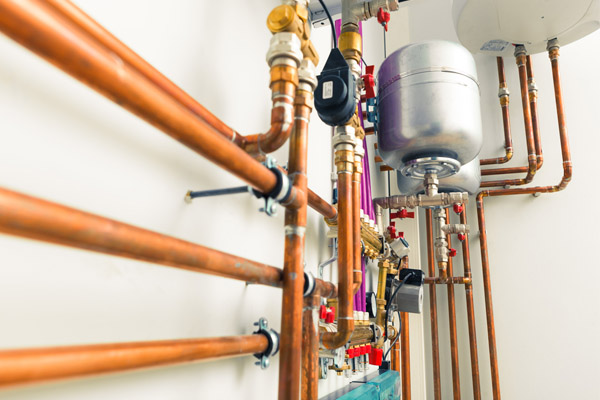
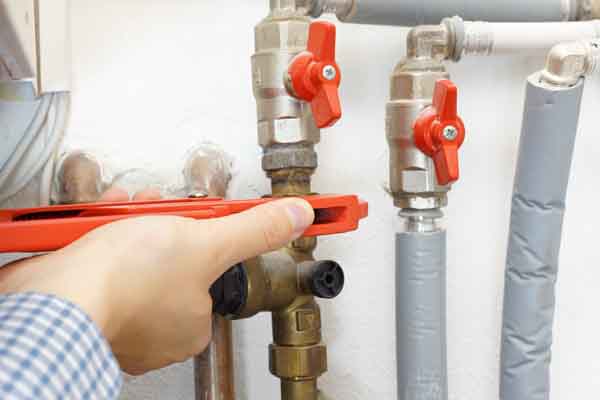
image of a boiler expansion tank

Heating oil systems can provide warmth in three ways: vents, baseboards, and radiators. The thermostat will constantly check the indoor temperature and trigger the heater to turn on if it senses a significant drop in temperature.

A pump will make fuel oil flow from the storage tank to the burner for combustion. A mixture of oil mist and air goes into the combustion chamber and create flames for heating the indoor spaces.

The heat produced can increase the temperature of air or water that is in direct contact with the system. These warm substances can then circulate around the home to spread the heat around the colder areas. In central forced-air systems, you will see a network of vents and ducts for the dispersal of hot air. In hydronic heating systems, heated water flows into radiators or baseboards across different rooms.

Learn More About Our Heating Oil Delivery Services Call Today To Schedule An Oil Delivery

Two Types of Heating Oil Systems

When acquiring a new heating system, one of the most important factors to consider is the type of equipment you will choose. Are you going to install a furnace or a boiler? New models of each type perform more efficiently than older generations. However, they have significant differences that may nudge you towards one or the other.

1. Oil Heat Furnaces

Modern furnaces, even at their lowest efficiency, can still run circles around older models. Industry standards have gotten so much higher than they were decades ago. Inside these machines, a fan pushes out exhaust air through a heat exchanger.

Heating a furnace using oil is effective. Check out the new condensing furnaces or variable-speed furnaces for the best performance. Their design reduces heat loss for greater efficiency. Instead of venting immediately, they let the gases cool first until the water vapor condenses. The exhaust moves outdoors through a plastic pipe.

2. Oil-fired Boilers

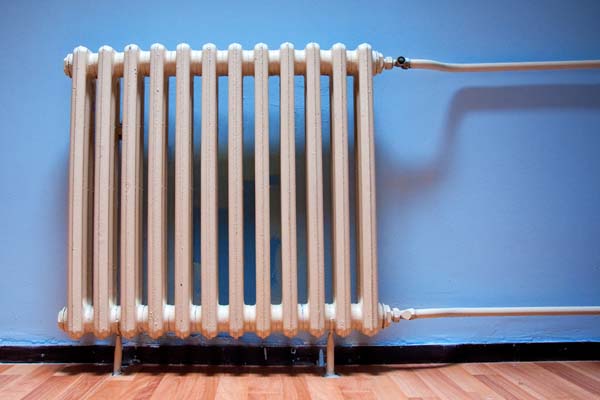
boiler radiator

With boilers, heating oil warms up water which then moves through the house. Its heat dissipates as it flows, making spaces warmer while the water gets cooler. The cold liquid goes back to the boiler for another heating cycle.

A less common kind of oil-fired boiler uses steam instead of liquid water. After boiling, the hot steam travels around the house until it reaches the radiators in each room.

Call Now To Order Fuel: (732) 349-5059 Explore Our Case Studies

The Main Difference Between Boilers and Furnaces

As you can see, it all boils down to the heating medium. In furnaces, warm air moves around the home to spread the heat generated by the system. In boilers, warm water gets the job done. Both machines generate heat across several cycles until the thermostat senses that the home is within the range of the desired temperature.

Heating oil can provide heating through different strategies, depending on how you configure the system. After the fuel enters the combustion chamber, it produces flames that heat the chosen medium, which flows across the home.

Oil Heating System Maintenance

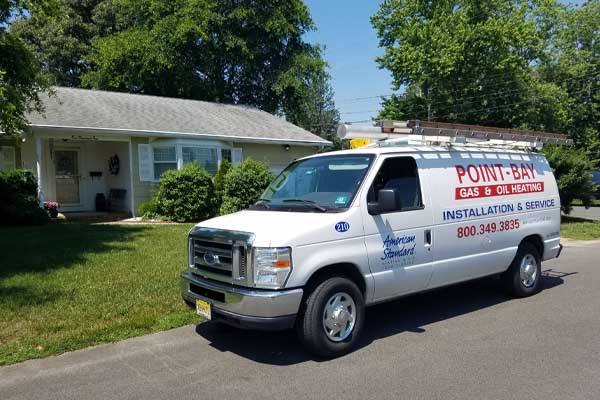
image of point bay fuel van depicting hvac services

All machines need maintenance. Oil heat systems are not excluded from this requirement. Regular HVAC tune-ups are essential for efficiency and performance. The first task is to clean the thermostat prior to the heating season. After all, it is the center of temperature regulation in the home.

Cleaning the blower and other parts of the system is also necessary. It will remove dirt and debris that could clog the paths and reduce equipment efficiency. The system will run better for longer.

A few maintenance tasks are suitable for homeowners. These are simple enough for anyone to perform. However, others call for professional services. Do not leave anything to chance. Do what’s best for your heating system to enjoy a stress-free winter with uninterrupted operation. Schedule annual maintenance as soon as possible. Just one professional tune-up a year can make a world of difference in terms of air quality, indoor comfort, and heating costs.

Learn More About Our Fuel Oil Delivery Services Call Point Bay Fuel To Schedule An Oil Delivery

Environmental Benefits of Heating Oil

With oil heating systems, you can make your home warm without guilt. Modern equipment can run with insignificant levels of smoke and debris from combustion. According to the Environmental Protection Agency, oil burners offer cleaner combustion than most other fuels.

Are you concerned about having to store an oil tank in your backyard? Millions of households do this without incident. It isn’t detrimental to the health of your family. It is unlikely to harm your immediate environment, either. If you take good care of your oil tank, it can last for decades. Remember that heating oil is not a toxic substance. It is biodegradable and non-carcinogenic.

Choose oil heaters if you wish to help the environment. They can reduce your impact while providing efficient heating. They will lower your energy costs and serve you for a long time. They even have low emissions for healthier surroundings.


Conclusion

A new heating system requires a large investment. Weigh your options carefully. Study the pros and cons of each option to figure out which one suits you best. Now that you know how oil heating systems work, you are in a better position to evaluate their ability to serve you and your family.

Whichever you decide to get, make sure to have it installed by professional HVAC technicians. Don’t stop there. Schedule annual maintenance before the cold months to fix brewing problems and prevent equipment failure. Call now to secure your preferred date.

Call Point Bay Fuel For Superior Home Comfort Solutions

Point-Bay-Fuel-Logo

Point Bay Fuel offers superior heating oil deliveries and HVAC services in Ocean and Monmouth Counties, New Jersey. Our heating oil deliveries are fast, reliable, and affordable, and we always keep your safety in mind. We offer various heating oil delivery plans and financing options. This way, you can customize your fuel deliveries to meet your needs. Likewise, we hire the best-certified HVAC technicians who can provide you with excellent HVAC tune-ups, repairs, installations, and replacements. Each of our techs has the knowledge and experience to service your HVAC system correctly.

Point Bay Fuel guarantees the most competitive home comfort service costs in the area. Our maintenance services can improve your comfort and energy efficiency while reducing your home HVAC costs. If you are interested in improving your indoor air quality, then look no further. Our experts know the most advanced solutions to achieve all of your home comfort needs. All of our services are backed with a guarantee to ensure your satisfaction. To schedule an appointment, give Point Bay Fuel a call today.

Call Today: (732) 349-5059 Read Our Testimonials

Contact us now by calling (732) 349-5059 to speak to one of our home comfort specialists! Click the link to view our service area.

The post How Does An Oil Heating System Work? appeared first on Point Bay Fuel.

Monday, January 9, 2023

What To Do When Your Furnace Blower Keeps Running But No Heat

image of the word troubleshooting depicting a furnace blower keeps running but no heat

Have you tried turning on the furnace in your home, but it does not produce heat the way you expected? Depending on the issue, you may need the assistance of a home furnace expert. You can address some furnace troubles by yourself; however, professionals with the right tools, appropriate training, and experience must evaluate if your home’s furnace blower keeps running but no heat. Consider the simple concerns first before trying to troubleshoot the more difficult ones. This article provides the furnace troubleshooting steps you should take before reaching out to an HVAC company for heating services.

Explore Our Heating System Services Call To Schedule An Appointment

Troubleshooting A Furnace That Runs But Doesn’t Produce Heat

Continue reading to learn more about troubleshooting a home furnace when the system is not providing adequate heat.

Evaluate the Furnace Condensate Line

High-efficiency modern furnaces produce water while operating. This moisture flows through a drain line. Once that drain line becomes blocked, water can travel back in, and this causes the overflow kill to trip. Also, this problem causes the furnace to switch off. If you observe water pooled around the system, you most likely have a block in the condensate line. You will have no choice but to arrange for the furnace to be cleaned by a trained professional.

Call Today: (732) 349-5059

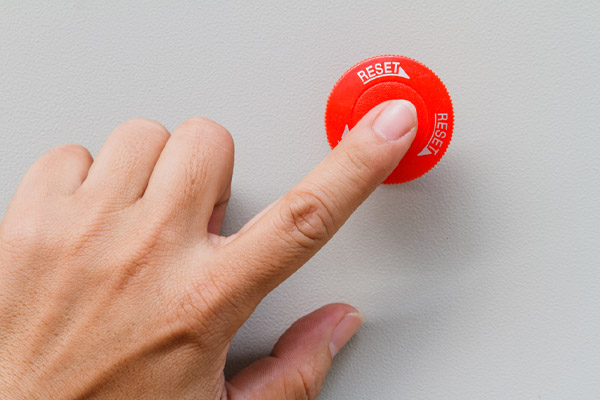
Use the Heating System Reset Button

image of a furnace reset button

Most furnaces have a red reset button. Use the button to get the system to restart. If you have to use the reset button often to keep the system running, you need a professional HVAC technician to evaluate the problem.

Learn More About Our Home Heating Services Call To Make An Appointment

Check the Thermostat Settings

image of homeowner adjusting thermostat that controls furnace

Incorrect thermostat settings could limit the heat from the vents even when the blower is on. Therefore, check the thermostat to ensure the settings are correct for heating and not for cooling. While you may think this is too simple, many people often make this error. Also, the fan runs consistently when the system is on, so you may think the furnace is running when only the blower is working. Heat will not generate and circulate in your house if only the blower motor functions. Therefore, you need to follow the suggestions listed below:

  • Set the Fan Properly: Set your fan to AUTO to ensure the blower motor only operates during a heating cycle. When the fan is on, it pushes out the cold air from the blower and uses more energy.
  • Turn up the Thermostat: Turn up your thermostat higher than the room temperature if the furnace is not generating heat. You may be able to get the unit to trigger a heating cycle.
  • Contact a Trained Technician: You need to contact a certified technician if your furnace does not produce heat even after you complete all the above steps.
Call Point Bay Fuel To Schedule HVAC Service

Consider HVAC Airflow Problems

image of a dirty hvac filter

Furnace airflow problems and ductwork may limit the heat released into the living areas of your home. Unclean air filters restrict the airflow and limit the heat that travels through the vents of the system. Here are some tips to address these airflow challenges in your home:

  • HVAC Air Filter: Check your air filter and replace it once it becomes clogged with particles. Conduct these checks monthly and change the filter if it is filled with contaminants.
  • Louvers: Check the vents to ensure that all louvers are open. Remove the vent cover and clean it if the louvers are closed. Connect with an expert HVAC professional to replace the cover if you find that the louvers are jammed.
  • HVAC Registers and Vents: Your furnace will seem to malfunction and not produce enough heat if you have loose or obstructed vents because the hot air will not flow to all areas in your house. Therefore, check the registers and vents to ensure that big items such as carpets, rugs, or furniture are not obstructing the registers and vents. These large items are often the cause of obstruction. If any vent has low airflow, look inside to see if any item has fallen inside and blocked the space. Use your hand or a long wire to remove any items obstructing the vent.
  • Duct System: Inspect your home’s air ducts if you find they are leaky. Heated air will escape once air can leak through, and you will experience cool and weak airflow from the vents. Therefore, your furnace will have to work harder to keep your home warm, and you will lose energy efficiency, which will cost you. Eventually, your furnace will have a shortened lifespan. You will need to contact a trained technician to seal any leaks or gaps that make your heating system inefficient.
Get Started - Call Point Bay Fuel Today Explore Our Case Studies

Arrange Regular Furnace Maintenance by a Professional

Schedule consistent HVAC maintenance by a competent professional to avoid issues with airflow

Check for Ignition and Fuel Problems

image of a gas furnace and flame

You could have a problem with the fuel supply or ignition system if your home’s furnace generates little or no heat after turning it on. Check for fuel issues by following these steps:

  • Assess the gas supply line and check if the gas valve is open or closed.
  • If you use liquid propane or oil in your system, ensure the supply tank is filled. If you are running low, organize a refill with your local supplier.
  • If you utilize natural gas, call the utility provider to determine if service has been interrupted.
Call To Schedule An Appointment

Troubleshooting Tips for Furnace Ignition Malfunction

Gas will not combust to create heat if you have challenges with your ignition system. Address problems with the ignition by following these steps:

  • Assess the Pilot Light: Property owners with dated furnaces with pilot lights have to check to see if the pilot light is out. This light must be relit if it goes out by reviewing the manual and following the manufacturer’s instructions carefully.
  • Electric Furnace: If you have an electronic ignition system, it could malfunction because the metal strip that forms part of the switch needs to be cleaned. Therefore, check the metal strip and take precautions by gently wiping it clean because it is a fragile component in your heating system. You must handle it with extreme care. The better option is to contact a professional to clean it.
  • Never Light the Furnace Manually: It is never safe to try to light a furnace manually. Instead, check the blower to see if the belt became misaligned or broken and if your furnace is running but not producing heated air.

Conclusion

Furnaces do not generate heat for several reasons, which also require different solutions. So what should you do if you attempt troubleshooting by using the above steps but the problems continue? It is time to contact an expert technician to evaluate where the issues stem from and to conduct all repairs. You do not want to wait until the system is beyond repair and must be replaced.


Learn More About Our Home Heating Services Call To Make An Appointment

Contact Point Bay Fuel For All Your HVAC Needs

Point-Bay-Fuel-Logo

Point Bay Fuel delivers exceptional cooling and heating services in Ocean and Monmouth County, New Jersey. We employ experienced and qualified technicians who can assist you with HVAC replacements, installations, tune-ups, and repairs. Every technician has the experience and expertise to maintain your HVAC unit efficiently.

Point Bay Fuel assures competitive cooling and heating fees in this area. Using our maintenance services guarantees your family’s comfort, improved energy efficiency, and a noticeable reduction in your home cooling and heating expenses. We review your budget and recommend ideal suggestions for repair or replacement while keeping you within your spending plan. We are confident in our work and guarantee our work will improve your home’s enjoyment while ensuring you are satisfied. Arrange a service appointment by calling Point Bay Fuel today. We provide in-home estimates.

Call Now: (732) 349-5059 Read Our Testimonials

Contact us now by calling (732) 349-5059 to speak to one of our home comfort specialists! Click the link to view our service area.

The post What To Do When Your Furnace Blower Keeps Running But No Heat appeared first on Point Bay Fuel.

Thursday, January 5, 2023

Top 10 Boiler Problems Homeowners Experience

image of the word problem depicting boiler problems that homeowners experience

It is never a good situation when you have a sudden issue with your boiler. There are very few situations that are more inconvenient than having no heating and hot water in your home. Being exposed to the cold is especially difficult for children and the elderly. Here is a list of some of the most common boiler problems. It also includes their likely causes while highlighting some possible repairs. Read on to learn how to get your home’s boiler up and running again.

Explore Our Heating System Services Call To Schedule An Appointment

Top 10 Boiler Problems Homeowners Experience

This article discusses some of the most common boiler issues homeowners encounter.

Boiler Is Leaking

oxidized boiler pipe due to boiler leak

An issue with your pump seal, pressure valve, or other internal components can cause a leak in your boiler. If the leak is due to a pressure relief valve issue, the pressure in the system has likely become too high. The seal could have worn out if the leak had stemmed from the pump seal.

Corrosion may have caused a leak to develop in your system’s pipes. There could also be a problem with the way the system was installed. It is recommended that you consult an HVAC professional to help determine and resolve this issue. Your HVAC technician may recommend getting a boiler replacement if the leak is due to a particularly severe problem.

Call Today: (732) 349-5059

Low Boiler Pressure

You can typically determine if your boiler has too low pressure by taking a look at its built-in pressure gauge. The ideal pressure of your boiler is 1.5 bar. If the pressure is set below 1, your boiler won’t operate properly.

Low boiler pressure can be due to a failed seal or component, recently bled radiators, or a system leak. You should first look for visible leak symptoms to help identify the problem. However, you shouldn’t try to remove any boiler casings. If there is a leak, call an HVAC professional. If you don’t find a leak, you can attempt to repressurize your boiler if you think you can do so. However, it is best left to the professionals.

Related Article: The Ultimate Guide For Residential Boilers

No Heating Or Hot Water From The Boiler

image of a homeowner feeling chilly due to boiler heating problems

It can be frustrating when your boiler doesn’t do what it was designed to do, which is to provide your home with hot water and heating. A broken thermostat, malfunctioning motorized valves, low pressure, and faulty system diaphragms and airlocks can cause this issue.

Check the pressure gauge to see if it is below 1 to identify if the problem is due to low pressure. It may need to be repressurized if this is the cause. If a thermostat issue causes intermittent heating and hot water, check the manufacturer’s guide of the device to find a possible solution. Contact the manufacturer for help if you can’t find a solution using the guide.

If these suggestions don’t help. We recommend consulting a trained HVAC technician because a professional needs to check problems like a faulty diaphragm or a broken motorized valve.

Learn More About Our Home Heating Services Call To Make An Appointment

Frozen Condensate Pipe

This is a common issue, especially during the colder seasons. The condensate pipe of your system transports the condensate from the boiler to the outside drain. The condensate can freeze and block the pipe during periods of cold weather. This is common in homes that have the condensate pipe installed externally or in an unheated area like the garage. This issue can result in the condensate backing up into the boiler and causing the system to break down.

The good news is that the problem can be easily repaired on your own. Insulating or lagging the pipe can often be a long-term solution to this problem.

Related Article: What To Look For In A Boiler Repair Company

Boiler Radiator Faults

image of a radiator depicting hydronic home heating

Air or sludge buildup inside the radiators can result in cold patches and other issues. This can also cause uneven heat distribution. Cold patches in various areas can point to different kinds of problems. Luckily, many radiator issues can be fixed by bleeding the radiator. Determine the reason behind your radiator problem by calling an experienced HVAC technician in your area.

The Boiler Makes Whistling, Gurgling, or Banging Noises

Boilers normally make sounds during operation, especially as it is starting. However, a qualified HVAC technician must check a boiler that suddenly makes odd banging, gurgling, or whistling noises.

Low water pressure, faulty pump, or air in the system can result in unusual boiler noises. Limescale buildup, called “kettling,” can also cause boiler noises. Consult with an HVAC professional.

Call To Schedule An Appointment With Point Bay Fuel

The Boiler Doesn’t Respond To The Thermostat

image of a homeowner adjusting a programmable thermostat for boiler

Have you had to reset the time forward or backward recently due to Daylight saving time? If this is the case, ensure that the thermostat is set with the correct time. A boiler that ultimately fails to respond to the thermostat may mean the device is old or broken. You can conduct some checks before concluding that the device is completely broken.

For instance, replace the batteries. This may seem like an obvious solution, but it is commonly overlooked. You can also try placing the thermostat closer to the boiler and check for any interference that may be the root cause of the problem. Read the manual for advice if the thermostat problem persists. You can also consult with the manufacturer.

Click Here To Call Point Bay Fuel

Related Article: What Is A Boiler Expansion Tank?

Boiler Pilot Light Keeps Switching Off

Older boilers may feature a permanent pilot light that needs to remain lit so that it can light the larger burner inside your boiler. A pilot light that keeps going out may mean you have a malfunctioning thermocouple that cuts off the fuel supply. Other reasons could be a draft blowing the light out or a deposit buildup.

If you are comfortable doing so, you can relight the pilot light yourself. Ensure that you follow the boiler manual’s instructions on how to do so. For gas boilers, make sure that the gas stopcock is on before relighting the pilot. Ensure that there is no gas supply issue present. Check other gas appliances to verify this. We recommend calling a licensed HVAC contractor to resolve this problem.
This is a common problem with older boilers. Modern systems do not have pilot lights and ignite electronically. Consider getting a new boiler installed if this pilot light issue persists.

Boiler Won’t Turn On (No Power)

Check other appliances around your home to verify if they work if the boiler unit won’t turn on. Also, check the fuse box for any failed or tripped switches. If you cannot determine the reason, contact a trained HVAC technician to help you.

If your boiler repeatedly turns off even after turning it on, there could be low pressure or a clog inhibiting the system. Check the pressure gauge and repressurize it if it is set below 1. You can also call your local, trusted HVAC technician to help you.

Call To Schedule A Consultation Explore Our Case Studies


Boiler Breakdown

If unaddressed, all the problems mentioned in this article can eventually cause a complete boiler breakdown. Therefore, you should call an HVAC contractor right away.

Boilers can break down beyond repair from age and inefficiency as well. A new system is a worthy investment if you have an old, inefficient boiler. It will ensure that your home gets the needed heating and hot water. Modern and energy-efficient boilers can also help you save on your energy expenses!

You must remember that you should only conduct simple boiler checks with minimum risk. Do not conduct a DIY repair because it can be extremely dangerous.

Get Started - Call Point Bay Fuel Today

Related Article:What Is The Best Temperature To Set Your Heating Oil Boiler At?

Call Point Bay Fuel For Your Home Heating Requirements
Point-Bay-Fuel-Logo

Need top-quality heating and cooling services in the area? Don’t hesitate to call Point Bay Fuel. Our certified technicians can conduct high-quality HVAC services, including boiler tune-ups, AC repairs, furnace installations, and much more. All our techs are experienced, skilled, and knowledgeable to service your HVAC system accurately and on time.

Our company offers highly competitive HVAC service rates. We can recommend the best solution for your home while working within your budget. We always prioritize your comfort, energy efficiency, indoor air quality, and more. Book your next service appointment with Point Bay Fuel. Call us today!

Call Now: (732) 349-5059 Read Our Testimonials

Contact us now by calling (732) 349-5059 to speak to one of our home comfort specialists! Call Point Bay Fuel today. Click here to view our service area.

The post Top 10 Boiler Problems Homeowners Experience appeared first on Point Bay Fuel.
Tuesday, December 27, 2022

Can Winter Weather Affect Your Heat Pump’s Performance?

image of a homeowner feeling chilly due to heat pump not keeping up

You can rely on your heat pump to help you stay warm during winter. All you have to do is set your ideal temperature at the thermostat, wait several minutes, and then enjoy the difference. Your heat pump will keep you and every else in your household comfortable. However, there are several problems and flaws that you may need to address at times, just as there are with all other HVAC equipment types. Knowing what these help consumers establish reasonable expectations and make the right decisions when troubleshooting their heat pumps. Likewise, it will help you detect when to schedule heating services with enough time. This article will cover a major issue: a heat pump not keeping up because the winter temperatures are too cold.

Explore Our Heating System Services Call To Schedule An Appointment

Heat Pump & Winter Temperatures

This is actually a common problem. You might adjust your thermostat to a specific temperature, and your heat pump might do all that it can to create it. However, the inside of your home remains several degrees below the temperature you prefer, irrespective of how long your heat pump is left warming.

Given that it is still fairly warm inside their homes, a lot of people aren’t really bothered by the difference. Others recognize and are bothered by their heat pump’s ability to create ideal conditions. They might contact their HVAC providers to do something about it. In some instances, heat pumps may have legitimate issues that need to be repaired. More commonly, however, these systems are working exactly as they should. Heat pumps aren’t usually able to produce massive amounts of heat when the outside temperature is extremely cold.

Call Today: (732) 349-5059

How Heat Pumps Work

heat pump refrigeration cycle

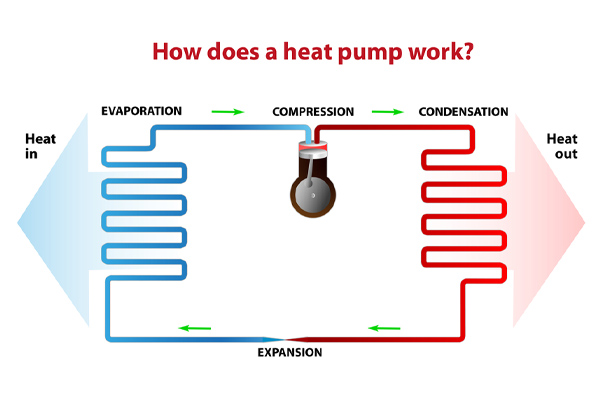
Let’s go over how a heat pump functions to get a better idea of the underlying problem. These devices are multi-functional, which means that they can both cool homes down and heat them up. More often than not, it’s necessary to have an air conditioner for summer cooling and a furnace for winter heating. Heat pumps have the year-round ability to regulate indoor temperatures all by themselves by providing heated or cooled air as needed. This simplifies both maintenance and installation. Heat pumps transmit heat from one side to the home (by moving outside air in and inside air out). Thermal transmission is supported by the circulation of refrigerant and strategic times adjustments in pressure. Each heating cycle brings the interior space closer to the temperature that’s been set at the thermostat.

During the summer months, heat pumps cool homes down by allowing their refrigerant to absorb heat from the indoor air. This heat is released outside via the heat pump’s exterior unit. Air is blown by the heat pump’s fan across the coils to expedite this process. Before the next round is started, the refrigerant within the unit is depressurized. During the winter, the entire procedure is reversed. Heat pumps move hot air from outdoors into the interior of buildings. Given the bitterly cold temperatures that winter brings, this might seem a bit strange, but it remains possible for heat pumps to do as long as outside temperatures never fall below zero.

Learn More About Our Home Heating Services Call To Make An Appointment

Properly-Functioning Heat Pump Cannot Reach Thermostat’s Temperature Setting

It’s important to note that as the winter weather grows colder, heat pumps have an increasingly difficult time collecting heat from outside. After the temperature drops below 35 degrees (Fahrenheit), the efficiency of heat pumps declines. These units start struggling to keep homes warm when outdoor temperatures fall below zero degrees.

This is one reason why heat pumps are most often used in regions that have relatively mild winter temperatures. Homes that have furnaces or boilers tend to be more common in areas with harsh winter weather. Hybrid heating systems that combine gas-fired heaters and heat pumps can be used as well. Gas-fired heaters work well in extremely cold conditions, and heat pumps function well when the weather is mild.

One way to fix the thermostat is by raising your thermostat setting by several degrees to move beyond this limitation. For instance, if your thermostat is set at 71 degrees, but your indoor temperature never rises beyond 69 degrees, raise the setting to 73 or 75 degrees to see if conditions improve. This is a simple and practical troubleshooting strategy that may help you stay warm as your heat pumps gets along in age. Even though your older heat pump might remain operational, it could need a little extra help to deliver sufficient heat.

Causes For A Heat Pump That Isn’t Meeting the Temperature Setting

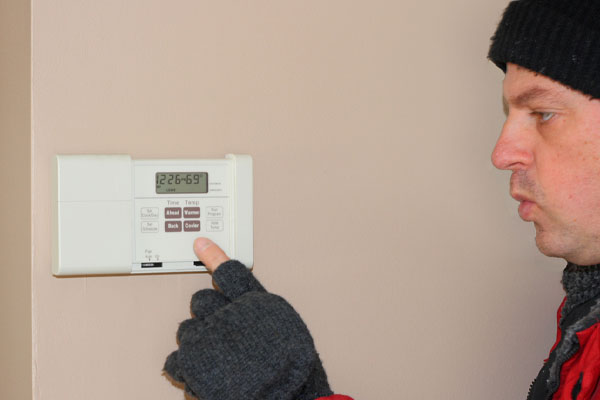
image of a homeowner adjusting heat pump thermostat setting

Read on to learn more about common heat pump issues, such as those that impact how well your heat pump distributes warm air when outside temperatures are low.

1. The Outside Heat Pump Unit Is Frozen

If a heat pump isn’t performing well, it may be that its outside unit is frozen. When outside temperatures fall too low, these components can develop a layer of ice. This ice will obstruct normal airflow and keep heat absorption from happening. Most heat pumps are able to enter into a defrost cycle that resolves this problem. This should restore normal functioning. However, if the ice never melts, you should get help from a professional.

2. The Outside Heat Pump Unit Is Malfunctioning

Even if the outside unit isn’t covered in ice, it may be malfunctioning as the result of a broken part. There are several heat pump troubleshooting strategies you can try. Make sure that the power is on if your heat pump isn’t working at all. Check all of the openings for clogs. If there are clogs within the air filters, replace them. This will benefit overall heating functions and give you the benefit of clean air. Get in touch with a licensed HVAC company if there are no changes after you’ve taken these steps. The reversing valve could be having an issue or there may be problems at the indoor units or other components that are responsible for ensuring a seamless heating cycle.

Call To Schedule An Appointment With Point Bay Fuel

3. Your Home Doesn’t Have Enough Insulation

Insufficient house insulation could be the reason why your heat pump isn’t able to create or maintain your ideal indoor temperature. Despite its hardest efforts, your heat pump may have a hard time keeping up with the rate of heat loss that is occurring at the roof and walls. There might be an open window in your home that’s allowing cold air to flow in. There may be air leaks that require weatherstripping or caulking. HVAC professionals can help you find and deal with these leaks to improve the overall energy efficiency of your home.

Related Article: Do Leaky Windows Affect How My Home Is Heated?

4. There Isn’t Enough Refrigerant In Your Heat Pump

image of an hvac contractor examining refrigerant levels of a heat pump system

If there isn’t enough refrigerant, your heat pump will have a hard time absorbing heat. Get in touch with a trusted HVAC company in your area to have any refrigerant leaks resolved and to have refrigerant recharge service performed. Find out what kind of heat pump you own so that your HVAC technician can deliver the right refrigerant.

5. You’ve Got an Improperly Sized Heat Pump

If your heat pump is always underperforming, it may be too small for your home. A unit that’s too small won’t be able to provide adequate heat. An HVAC company can perform a load calculation to confirm HVAC sizing issues. It may be necessary to replace a small heat pump with one that’s larger.

Call To Schedule A Free Consultation Explore Our Case Studies

6. The Thermostat Is Faulty

Thermostat problems make be the reason why your heat pump isn’t creating the temperature you want. It may be that your thermostat needs to be calibrated. This could be the result of a low battery or faulty sensors. You should also check to find out if there’s a nearby heat source that’s affecting the sensor’s readings.

Related Article:8 Reasons Your Heat Pump Can Cause Your Breaker To Trip

7. Your Heat Pump Is Old

Finally, it could be that your heat pump is old and has sustained a lot of wear. It isn’t as efficient as it used to be, and so, it’s having a hard time heating your house. Most heat pumps are built to last for about 12 years. If yours is older, you should think about replacing it altogether. When choosing a new heat pump, it’s best to have licensed HVAC contractors help you.


Conclusion

On extremely cold winter days, you might find that your heat pump’s ability to deliver heat is limited. This is often due to the way in which heat pumps function. As such, you don’t necessarily have to worry about equipment malfunction. Until the weather grows warmer, auxiliary heat pump settings or an additional source of heating can help keep everyone warm. If you’re not experiencing extremely cold temperatures but your heat pump’s performance is still poor, get in touch with an HVAC professional for heat pump maintenance, replacement, or repairs.

Get Started - Call Point Bay Fuel Today

Call Point Bay Fuel for Your HVAC Requirements
Point-Bay-Fuel-Logo

Point Bay Fuel provides heating and cooling services in Ocean and Monmouth County, New Jersey. We retain professional technicians who facilitate your HVAC installations, repairs, tune-ups, and replacements. Our technicians are experienced, trained, and knowledgeable to perform HVAC system work to your satisfaction.

Point Bay Fuel provides cooling and heating services at competitive prices in the area. We provide superb maintenance services that improve your comfort, energy efficiency, and more. Our work ensures that you have reduced cooling and heating costs. If your HVAC system needs repair or replacement, we recommend what can work best for your home and budget. We stand by our work because we want our clients to be comfortable. Do you need to schedule an appointment? Call Point Bay Fuel today. Click here to view our service area.

Call Now: (732) 349-5059 Read Our Testimonials

Contact us now by calling (732) 349-5059 to speak to one of our home comfort specialists!

The post Can Winter Weather Affect Your Heat Pump’s Performance? appeared first on Point Bay Fuel.
Monday, December 19, 2022

Fireplace Vs. Furnace: Which Is More Efficient?

image of a fireplace depicting fireplace vs furnace efficiency

By now, you have probably gotten your home ready for winter. Temperatures are expected to drop over the next several weeks. There may even be snow on the driveways and streets. You and the rest of your household will be spending more time inside, taking measures to avoid the frosty outdoor air. It’s important to have a heat source that can keep you warm in a cost-effective fashion. A lot of homes have both furnaces and fireplaces. Although each is compelling in its own way, each also has its own drawbacks. One common question is whether using a fireplace is more efficient than using a furnace or vice versa. This article will compare fireplace vs furnace efficiency from a practical standpoint.

Explore Our Heating Services Call To Schedule An Appointment

Furnace vs. Fireplace: Which of the Two Is Most Efficient?

One of the top factors considered when choosing a new heating system is energy efficiency. After all, the costs of energy are rising throughout the world. Volatile fuel supplies and the rapid rise of inflation are both noteworthy concerns. You need heating equipment that can keep everyone in your household comfortable without breaking the bank. If you don’t have this, sustaining heating for your home might not be an option.

High-efficiency heating equipment also means producing fewer carbon emissions. If you’re concerned about your impact on the natural environment, then efficiency ratings are definitely worth thinking about. Some comparisons reveal clear winners. Others are so close that the gap between the two models is negligible, and consumers can make their selections based on other factors.

Call Today: (732) 349-5059

Wood Fireplaces Are Gorgeous But Inefficient

image of logs buring in a home fireplace

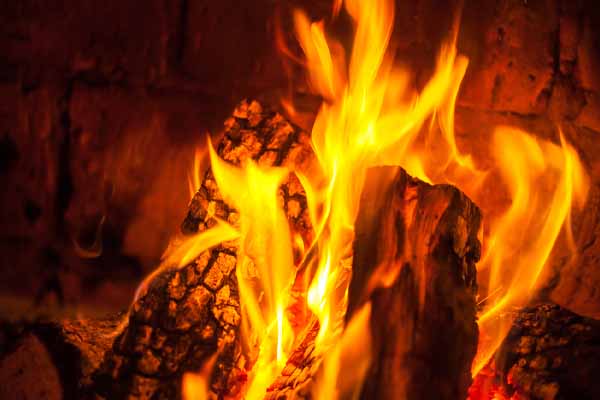
Fireplaces are classic. Consumers have been using firewood to stay warm for thousands of years. Wood burning is both effective and simple: acquire and chop wood, throw the seasoned pieces into the fireplace or fire pit, and then light it on fire. In a home, the smoke should be vented for release via a chimney so that the only thing building occupants are exposed to are the resulting light and warmth. The soothing dance of fireplace flames is also hypnotic. Beautiful and captivating, this motion can have a trance-like and relaxing effect. It also sets the perfect ambiance for relaxing with a cup of cocoa on a cold winter night or hosting an indoor gathering. Sadly, however, this isn’t a decision that can be made solely on aesthetics.

Learn More About Our Home Heating Services Call To Make An Appointment

Fireplace Inefficiency

The inefficiency of wood fireplaces is disheartening. Some studies report that just 25 percent of the heat created by burning wood stays inside the home. The remaining 75 percent escapes through the chimney with the smoke. In some instances, burning wood in your fireplace can result in as much as 90 percent of wasted heat.

Firewood isn’t cheap. It’s disappointing to know that for all that you pay, you aren’t going to get a ton of value. If your budget is something that you happen to care about, looking for a more efficient solution is the right idea. The aesthetic appeal doesn’t make up for the serious lack of efficiency, especially when there are far better options for heating out there.

Wood Fireplace Safety

image of a paper cut family depicting heating and dangers of fireplaces

Another good reason to steer clear of wood-burning fireplaces is safety. These features can’t be left unattended when in use. If you have to run an errand or when you’re ready to go to bed, you’ll need to douse the flames. If you don’t, no one will be there to keep the flames from spreading in case something unexpected happens. Although the risk is low, the consequences of a fire can be both serious and widespread, which means you can’t afford to ignore the potential.

It’s also important to think about how using a fireplace might impact the quality of your indoor air. Even though the majority of the smoke produced by burning wood will flow up the chimney, a fair amount of ash, carbon monoxide, carbon dioxide, and volatile organic compounds (VOCs) could enter your living space.

Related Article: What Is The Difference Between A Portable & Whole Home Air Filtration System?

Gas Fireplaces Are More Efficient Than Wood-Burning Fireplaces – But They’re Still Lacking

image of an inefficient gas fireplace

To get the aesthetic look and ambiance of a fireplace without a lot of hassle, you can have a gas-powered fireplace put in. There’s no need to burn wood for warmth or contend with airborne particulates. Safety is less of a concern too. These units tend to be more convenient as well, given that they have a steady source of fuel to keep them going. Although they don’t offer the same old-school charm of snapping, popping, and crackling wood, they’re more efficient and they have higher ratings for heat conversion. This is a welcome trade-off for most.

Get Started - Call Point Bay Fuel Today Explore Our Case Studies

Gas Fireplace Inefficiency

Considering the annual fuel utilization efficiency (AFUE) rating of gas fireplaces, you’ll find that they hover at around 70 percent. This is a major increase from the 25 percent efficiency of wood-burning fireplaces. There are incredible benefits in switching to another fuel source. You’ll get better value for your money – but this isn’t the absolute best value you can get. Gas furnaces boast far greater efficiency ratings of 80 to 98 percent, depending upon which type you choose. If you happen to get an advanced gas furnace, you’ll get the best value.

Gas Fireplace Doesn’t Provide Whole-House Heating

Keep in mind – a gas fireplace – despite using a different fuel source – is a fireplace. It’s only capable of heating up the area that surrounds it. This isn’t a huge issue if you’re only trying to heat up a single room, such as your living room or family room, during get-togethers. These units also work well for sheds, small-sized cottages, and studios. However, they don’t work well as whole-house heating for single-family homes that have numerous rooms and stories. A gas furnace is an infinitely better whole-house heating solution.

Related Article: Using Ductless As A Supplemental Heat Source

The Best Option Is a Gas Furnace

image of a homeowner feeling comfortable with high efficiency furnace

As far as heating solutions go, modern furnaces are very versatile. There are furnaces in various sizes to meet the needs of individual living environments. Furnaces force hot air through a system of ductwork so that it can be distributed to each zone or room for whole-house heating. Although they might not provide the same stunning, visual aesthetics that a fireplace offers, furnaces can provide consistent warmth during the coldest months of the year. You can comfortably move around your home. Everyone in your household will be able to sleep soundly.

Call Point Bay Fuel To Schedule Heating System Service

High-Efficiency Furnaces

High-efficiency furnaces, such as variable-speed furnaces, provide impressive amounts of energy efficiency (they’re up to 98 percent efficient). This means that you can lower your fuel use, enjoy lower monthly bills, and save far more than if you went with the alternative. If you have a furnace, you can affordably run this unit all winter long if you need to. The long-term fuel savings definitely make up for the higher upfront price of a furnace. In the long run, you’ll get impressive returns.

Related Article:  What Can I Expect During My HVAC Installation?


Conclusion

Prudent homeowners aren’t overly concerned with aesthetic styles. Think about the energy efficiency of your home heating solution when deciding whether you want a furnace or a fireplace. If you compare how efficient each heater type is, you’ll find that a gas furnace will always beat a fireplace. Just be sure to hire a trusted contractor to perform your Manual J Calculation and install your furnace correctly. With a seasoned professional handling your installation, you can enjoy comfortable winter temperatures for many years.

Call Point Bay Fuel For All Of Your Home Heating Requirements

Point-Bay-Fuel-Logo

Point Bay Fuel offers superior heating and cooling services in Ocean and Monmouth County, New Jersey. Our certified technicians can provide you with excellent HVAC services, including heating and cooling tune-ups, repairs, installations, and replacements. Each technician has outstanding knowledge and experience to serve your HVAC system needs correctly the first time around.

Point Bay Fuel guarantees to provide the most competitive heating and cooling service costs in the area. Our maintenance services ensure to improve your comfort, increase your system’s energy efficiency, and reduce your home’s heating and cooling costs. Need your system repaired or replaced? We’ll recommend the best solution that works well within your budget. The best part is all our work is backed with a guarantee to ensure your satisfaction. If you wish to schedule a service appointment, give us a call today!

Call Now: (732) 349-5059 Read Our Testimonials

Contact us now by calling (732) 349-5059 to speak to one of our home comfort specialists! Click the link to view our service area.

The post Fireplace Vs. Furnace: Which Is More Efficient? appeared first on Point Bay Fuel.